'%3e%3cpath%20d='M34.1406%205.85938C30.3906%202.10547%2025.3047%200%2020%200C14.6953%200%209.60938%202.10547%205.85938%205.85938C2.10938%209.61328%200%2014.6953%200%2020C0%2025.3047%202.10547%2030.3906%205.85938%2034.1406C9.61328%2037.8906%2014.6953%2040%2020%2040C25.3047%2040%2030.3906%2037.8945%2034.1406%2034.1406C37.8906%2030.3906%2040%2025.3047%2040%2020C40%2014.6953%2037.8945%209.60938%2034.1406%205.85938ZM37.0117%2023.543H31.1602V13.5391H27.6328V19.9414C28.1211%2020.6914%2028.3711%2021.582%2028.3711%2022.5625V22.625C28.3711%2023.668%2028.1172%2024.6055%2027.6328%2025.4297V26.6094H36.082C33.4883%2032.9375%2027.2891%2037.3789%2020.0039%2037.3789C10.3711%2037.3789%202.62109%2029.6289%202.62109%2020C2.62109%2010.3711%2010.3711%202.62109%2020%202.62109C29.6289%202.62109%2037.3789%2010.3711%2037.3789%2020C37.3789%2021.1484%2037.2617%2022.2656%2037.0508%2023.3477C37.0391%2023.4141%2037.0234%2023.4766%2037.0117%2023.543Z'%20fill='white'/%3e%3cpath%20d='M22.3086%2018.5352C20.4336%2018.125%2019.9531%2017.8398%2019.9766%2017.1836V17.1406C19.9766%2016.6992%2020.3477%2016.2148%2021.4023%2016.2148C22.582%2016.2148%2023.8867%2016.6797%2025.0781%2017.4766L26.8516%2015.0195C25.4453%2013.8906%2023.707%2013.3398%2021.5547%2013.3398C18.5195%2013.3398%2016.4375%2015%2016.4063%2017.4766V17.5352C16.3633%2020.2617%2018.5859%2020.9805%2021.293%2021.6016C23.0391%2021.9766%2023.5703%2022.3164%2023.5703%2022.9609L23.5469%2022.9766C23.5469%2023.3906%2023.2578%2023.7031%2022.7852%2023.8359C22.5742%2023.9062%2022.1289%2023.9727%2021.5156%2023.9727C20.7617%2023.9727%2019.7539%2023.8633%2018.6328%2023.4844C18.0898%2023.2891%2017.4727%2023.0039%2016.8047%2022.6133L20.1406%2026.625C20.2813%2026.6602%2021.0977%2026.8516%2021.7734%2026.8516C25.0039%2026.8516%2027.0859%2025.2461%2027.1094%2022.6328V22.5703C27.1602%2020.1133%2025.2148%2019.1719%2022.3086%2018.5352Z'%20fill='white'/%3e%3cpath%20d='M5.24219%2013.5664V26.6133H8.75391V23.7578L10.2969%2021.9531L14.2031%2026.6133H18.3867L12.3555%2019.5195L17.4023%2013.5664H13.4531L8.75391%2019.0586V13.5664H5.24219Z'%20fill='white'/%3e%3c/g%3e%3cdefs%3e%3cclipPath%20id='clip0_97_2430'%3e%3crect%20width='40'%20height='40'%20fill='white'/%3e%3c/clipPath%3e%3c/defs%3e%3c/svg%3e)




This archived news story is available only for your personal, non-commercial use. Information in the story may be outdated or superseded by additional information. Reading or replaying the story in its archived form does not constitute a republication of the story.
- Utah faces a primary care doctor shortage, impacting urban and rural areas alike.
- Dr. King Udall calls it a public health crisis, urging legislative incentives.
- Residency shortages and lucrative specialties deter graduates from primary care roles in Utah.
SALT LAKE CITY — Have you had to wait weeks, even months, for an appointment to see a doctor? Utah is facing a shortage of primary care doctors that some experts say has become a crisis.
Cassandra Morgan's health issues require the skilled monitoring of a doctor. And she said she likes her current primary care physician but doesn't love how hard it is for her to score an appointment.
"The longest I've waited is four months," Morgan said.
Unable to book an appointment for a recent asthma flare-up, Morgan decided to treat it at home. When she finally saw her doctor, she learned just how much that decision cost her.

"That was a mistake, and I did some damage to my lungs that I shouldn't have," she said.
Speaking of costly, when health issues do arise for Morgan and she must wait weeks on end for an appointment, she often winds up turning to emergency departments.
"It does cost way more," she said. "It's almost double."
Not just a rural problem
Hearing about Morgan's experiences might prompt you to assume she lives in some rural part of the state where doctors are in short supply. But, she actually lives in the heart of urban Salt Lake City – within easy reach of dozens of hospitals and medical clinics.
Dr. King Udall has a practice at one of those clinics.
"I've been a family practitioner here in Salt Lake for over 50 years," he said. "I truly believe people don't realize that we've gone into a public health crisis."
Udall has been outspoken about his concerns over a lack of primary care doctors in Utah. He wrote about it in an op-ed published in the Deseret News, and he's asked me to shine some sunlight on this issue.
"They're not getting that preventative care," he said of how the shortage can endanger people's health. "They're not finding that cancer early."

Statistically, Utah is indeed behind the eight ball. The state is 49th in the U.S. in primary care doctors per capita – only 96 per every 100,000 people. Only Idaho has fewer doctors per capita.
While much of Utah's low figure stems from the state's rural areas, studies have also identified urban areas like Salt Lake's Glendale neighborhood and Midvale as underserved and where people face long waits to see a doctor.
Of course, Utah has medical schools that churn out lots of doctors. The problem is, many of those graduates are choosing medical paths that are more lucrative.
"They're not being trained as primary care doctors," Udall said. "They're being trained as specialists."
A legislative fix?
Udall thinks the solution needs to come from the Legislature.
"(It) falls on their back to figure a way to incentivize medical students," he said.
Incentivize. Pay! For the record, that's not exactly a new concept.
For example, in New York, primary care physicians can be paid up to $120,000 over three years by the state for choosing to be a primary care doctor. Texas pays $160,000 to its new primary care doctors over a four-year span.
Other states, like California, pay doctors in the form of student loan repayment. Utah is another state that has such a program.
Primary care physicians in Utah can earn up to $75,000 in loan repayment over three years. But to be considered, they're going to have to practice in a rural or underserved area in Utah.
But with long waits at his clinic and other clinics in areas not technically considered underserved, Udall argues the current incentives are not getting the job done.
Not all doctors agree.
"If you call our office here, we will get you in within a week," said Dr. Raymond Ward, a primary care physician with a practice in Bountiful. "We'll get you in within three days if you need to be gotten in."
He said patients who are flexible will not have an issue.
"Some of our providers are busier than others, and if you say, 'I'll only see that doctor,' well then OK, it may be a long wait," Ward said.
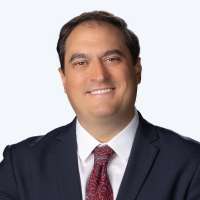
Ward is also a lawmaker. He has a seat in the Utah House of Representatives in District 19.
He said the state Legislature has discussed boosting incentives to help boost the number of primary care doctors in the state – many times.
"I'm not opposed to that," he said. "But students will choose what specialty they want to go into."
Other caregivers
Ward believes the numbers are skewed because they only count doctors when physician assistants or nurse practitioners can also help treat patients.
"Here at our clinic, we are about fifty-fifty doctors and nurse practitioners," Ward said. "We work together. We work as a team."
"I'll say I have been able to see a nurse practitioner a little bit faster, but still like two weeks," said Cassandra Morgan, who said she just wants it to be easier to get help when she needs it.
"It should never take that long," she said.
Another challenge in increasing primary care doctors in Utah is the lack of residencies.
While Utah schools are churning out graduates, they have complained that they've not been able to find a residency here. Residencies are primarily funded by Medicare.