'%3e%3cpath%20d='M34.1406%205.85938C30.3906%202.10547%2025.3047%200%2020%200C14.6953%200%209.60938%202.10547%205.85938%205.85938C2.10938%209.61328%200%2014.6953%200%2020C0%2025.3047%202.10547%2030.3906%205.85938%2034.1406C9.61328%2037.8906%2014.6953%2040%2020%2040C25.3047%2040%2030.3906%2037.8945%2034.1406%2034.1406C37.8906%2030.3906%2040%2025.3047%2040%2020C40%2014.6953%2037.8945%209.60938%2034.1406%205.85938ZM37.0117%2023.543H31.1602V13.5391H27.6328V19.9414C28.1211%2020.6914%2028.3711%2021.582%2028.3711%2022.5625V22.625C28.3711%2023.668%2028.1172%2024.6055%2027.6328%2025.4297V26.6094H36.082C33.4883%2032.9375%2027.2891%2037.3789%2020.0039%2037.3789C10.3711%2037.3789%202.62109%2029.6289%202.62109%2020C2.62109%2010.3711%2010.3711%202.62109%2020%202.62109C29.6289%202.62109%2037.3789%2010.3711%2037.3789%2020C37.3789%2021.1484%2037.2617%2022.2656%2037.0508%2023.3477C37.0391%2023.4141%2037.0234%2023.4766%2037.0117%2023.543Z'%20fill='white'/%3e%3cpath%20d='M22.3086%2018.5352C20.4336%2018.125%2019.9531%2017.8398%2019.9766%2017.1836V17.1406C19.9766%2016.6992%2020.3477%2016.2148%2021.4023%2016.2148C22.582%2016.2148%2023.8867%2016.6797%2025.0781%2017.4766L26.8516%2015.0195C25.4453%2013.8906%2023.707%2013.3398%2021.5547%2013.3398C18.5195%2013.3398%2016.4375%2015%2016.4063%2017.4766V17.5352C16.3633%2020.2617%2018.5859%2020.9805%2021.293%2021.6016C23.0391%2021.9766%2023.5703%2022.3164%2023.5703%2022.9609L23.5469%2022.9766C23.5469%2023.3906%2023.2578%2023.7031%2022.7852%2023.8359C22.5742%2023.9062%2022.1289%2023.9727%2021.5156%2023.9727C20.7617%2023.9727%2019.7539%2023.8633%2018.6328%2023.4844C18.0898%2023.2891%2017.4727%2023.0039%2016.8047%2022.6133L20.1406%2026.625C20.2813%2026.6602%2021.0977%2026.8516%2021.7734%2026.8516C25.0039%2026.8516%2027.0859%2025.2461%2027.1094%2022.6328V22.5703C27.1602%2020.1133%2025.2148%2019.1719%2022.3086%2018.5352Z'%20fill='white'/%3e%3cpath%20d='M5.24219%2013.5664V26.6133H8.75391V23.7578L10.2969%2021.9531L14.2031%2026.6133H18.3867L12.3555%2019.5195L17.4023%2013.5664H13.4531L8.75391%2019.0586V13.5664H5.24219Z'%20fill='white'/%3e%3c/g%3e%3cdefs%3e%3cclipPath%20id='clip0_97_2430'%3e%3crect%20width='40'%20height='40'%20fill='white'/%3e%3c/clipPath%3e%3c/defs%3e%3c/svg%3e)



This archived news story is available only for your personal, non-commercial use. Information in the story may be outdated or superseded by additional information. Reading or replaying the story in its archived form does not constitute a republication of the story.
- Dr. Addison Alley, a Utah OB-GYN, told lawmakers he opposes Medicaid cuts, highlighting potential harm to his patients.
- Alley urged Utah Sens. Mike Lee and John Curtis to reject the proposed bill.
- Alley is among 4,000 doctors who signed a letter to Congress warning that cuts could harm millions, including veterans.
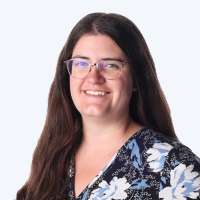
SALT LAKE CITY — A Salt Lake City OB-GYN spoke out in a virtual press conference on Wednesday, along with doctors from three other states whose representatives could make a difference in whether funding is cut from Medicaid.
Dr. Addison Alley said the One Big Beautiful Bill that Congress will begin voting on Friday is a "big, dangerous bill" for his patients.
"As a physician, I know for my patients that these proposed slashes to Medicaid will mean more complications, more needless suffering and more avoidable tragedies," he said.
Alley asked Utah Sens. Mike Lee and John Curtis, on behalf of his patients and their families, to reject the bill and protect the communities that rely on Medicaid for health care.
He said his patients primarily work full time but still can't afford private insurance and can only get prenatal, postpartum and preventive care through Medicaid. He said Medicaid has allowed him to catch life-threatening conditions in a pregnancy early, helped mothers with chronic conditions carry babies to term, and provided mental health support for women with postpartum depression.
"I don't think I can count the number of times where Medicaid has made a difference in my practice," he said.
He talked about multiple women who were able to bring home a healthy baby and whose pregnancy complications were not worsened by a lack of access to care or worry about how they would pay for care.
"If Congress slashes Medicaid funding, this kind of care disappears for thousands of Utahns," Alley said.

He said a lack of health insurance doesn't just lead to fewer doctor visits but to more medical crises. Specifically, he said women will give birth without visiting an obstetrician or choose not to get screened for cancer. Alley said it could cause rural hospitals to shut down, harming the 1 in 5 Utahns on Medicaid who live in rural areas even more.
If the measure passes, Alley said that will show a disconnect between Congress and medical professionals. He said lawmakers know it will be a mistake and now have a chance to prevent that.
Alley said the doctors don't see this as a political issue but a humanitarian issue. He said he doesn't think those advocating for the cuts want to cause harm, but they might not understand the scope of how important Medicaid is.
"We're just hoping to communicate that to those who can make a difference so that we don't lose this vital lifeline for our patients," he said.
What Utah's senators have said
The bill would reduce federal spending on Medicaid by tightening enrollment standards and limiting federal aid to states. Reuters reports it would cut spending on Medicaid by requiring adult recipients to work, excluding noncitizens and limiting an accounting mechanism states use to boost the federal government's contribution.
Overall, the bill would leave 10.9 million more people without insurance, the Congressional Budget Office estimates.
Curtis said in a social media post last month that he spoke with the Utah Health Policy Project about ensuring each dollar brings the best possible health outcomes.
"Targeted reforms are essential if we want to make sure programs like Medicare and Medicaid can continue to serve those who need them most," he said.
In March, he told KSL in response to questions about the Medicaid funding cuts that he does not know anyone who wants to take away the safety net for people who need it.
"We're not talking about seniors, children, pregnant women, single parents or people with disabilities. That's not the conversation," he said.
Lee has said that the cuts to Medicaid in the bill don't go far enough. On his website, the senator said the government should ensure Medicaid "is targeted for the truly vulnerable who are unable to provide for themselves, such as children, pregnant women and the disabled."
A letter to Congress
Alley is one of 4,000 doctors, led by Dr. Rob Davidson, executive director of the Committee to Protect Health Care, which hosted the press conference, to sign a letter sent to members of Congress asking them to immediately stop cuts to Medicaid, calling the proposed budget "dangerous."
"As physicians across the United States who are dedicated to the health and well-being of our patients, neighbors and fellow Americans, we are deeply alarmed by ongoing efforts to cut Medicaid," the letter states.
It says proposed cuts could mean taking health care away from millions of Americans, and that the cuts would be made to allow more tax breaks for big companies and billionaires, but would take health care from "the people who need it most."
The letter also claims that the idea cuts can be made by eliminating fraud, waste and abuse are a bluff, and that imposing "arduous rules" will lead to few Americans being able to access health care.
According to the letter, the proposals Congress is considering could harm everyone on Medicaid, including nearly half of the children in America and nearly 1 million veterans. It states that Medicaid pays for 40% of births and 60% of Americans living in nursing homes.
"These people are our patients. We see their struggles firsthand. We see how vital Medicaid access is to managing chronic conditions, covering long-term care, and ensuring children can get checkups, medications and mental health services," the letter says.
It states that Medicaid is also important for keeping rural clinics open and that reducing funds could lead to rural areas losing access to health care.
"Doctors, our patients and the American people at large understand these threats to care. An overwhelming majority — Democrats, Republicans and Independents alike — oppose cuts to Medicaid. They know it's a critical source of health care for themselves, their loved ones, or their neighbors," the letter says.
Contributing: Reuters