Estimated read time: 2-3 minutes
This archived news story is available only for your personal, non-commercial use. Information in the story may be outdated or superseded by additional information. Reading or replaying the story in its archived form does not constitute a republication of the story.
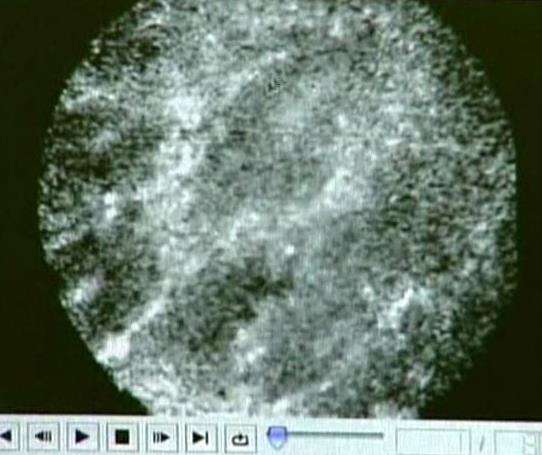
Colonoscopy, the gold standard for detecting colon cancer, may not be pure gold after all.
The American College of Physicians released a study this afternoon that says this traditional scope of the colon may not be as effective as previously believed.
Up until the release of this study, colonoscopies had been labeled 90 percent effective in preventing colon cancer deaths. But researchers now believe that number needs to be revised downward!
The new study shows the traditional colonoscopy is effective in evaluating the left side of the colon but may not do so well for the right side.
In fact, researchers found "no mortality prevention benefit at all for right-sided colorectal cancer."
Dr. David Ransohoff, the editorial writer for "Annals of Internal Medicine, said, "The main message is that we need to think hard about what the effectiveness of colonoscopy screening is. It's probably not 90 percent and is more likely to be 60 or 70 percent."
That's still good and still a significant deterrent. But the American College of Physicians says doctors now need to advise patients about the limitations of a colonoscopy. Why are some things missed? The colonoscopy eye may simply not see all. Bowel preparation or the cleansing prior to the scoping may not do as well on the right colon. Dr. Brent Christensen with LDS Hospital says there may be another reason. He says, "Maybe colon cancer acts differently on the right side than it does on the left side, or progresses more rapidly even if it is the same stage cancer."
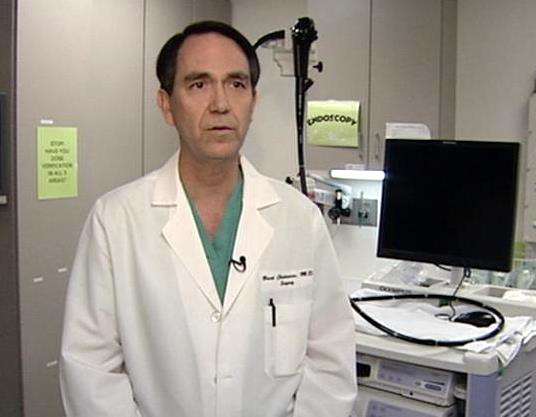
Christensen says the study begs for more follow up but also warns about reading too much into the research. Technology is improving. Some researchers are experimenting with supplemental tools like a laser to throw more light on underlying tissue while the colonoscopy is in progress.
And while virtual colonoscopies look promising, they too have limitations at least for now. Christensen said, "We don't find polyps with virtual colonoscopy until they are nearly a centimeter in size, and that's large enough that some of those are cancers already."
Again, while the traditional colonoscopy may not be quite what everyone had envisioned, it's still better than not having one at all.
Even the authors of the study admit it still remains a major screening tool to prevent colon cancer.
E-mail: eyeates@ksl.com