'%3e%3cpath%20d='M34.1406%205.85938C30.3906%202.10547%2025.3047%200%2020%200C14.6953%200%209.60938%202.10547%205.85938%205.85938C2.10938%209.61328%200%2014.6953%200%2020C0%2025.3047%202.10547%2030.3906%205.85938%2034.1406C9.61328%2037.8906%2014.6953%2040%2020%2040C25.3047%2040%2030.3906%2037.8945%2034.1406%2034.1406C37.8906%2030.3906%2040%2025.3047%2040%2020C40%2014.6953%2037.8945%209.60938%2034.1406%205.85938ZM37.0117%2023.543H31.1602V13.5391H27.6328V19.9414C28.1211%2020.6914%2028.3711%2021.582%2028.3711%2022.5625V22.625C28.3711%2023.668%2028.1172%2024.6055%2027.6328%2025.4297V26.6094H36.082C33.4883%2032.9375%2027.2891%2037.3789%2020.0039%2037.3789C10.3711%2037.3789%202.62109%2029.6289%202.62109%2020C2.62109%2010.3711%2010.3711%202.62109%2020%202.62109C29.6289%202.62109%2037.3789%2010.3711%2037.3789%2020C37.3789%2021.1484%2037.2617%2022.2656%2037.0508%2023.3477C37.0391%2023.4141%2037.0234%2023.4766%2037.0117%2023.543Z'%20fill='white'/%3e%3cpath%20d='M22.3086%2018.5352C20.4336%2018.125%2019.9531%2017.8398%2019.9766%2017.1836V17.1406C19.9766%2016.6992%2020.3477%2016.2148%2021.4023%2016.2148C22.582%2016.2148%2023.8867%2016.6797%2025.0781%2017.4766L26.8516%2015.0195C25.4453%2013.8906%2023.707%2013.3398%2021.5547%2013.3398C18.5195%2013.3398%2016.4375%2015%2016.4063%2017.4766V17.5352C16.3633%2020.2617%2018.5859%2020.9805%2021.293%2021.6016C23.0391%2021.9766%2023.5703%2022.3164%2023.5703%2022.9609L23.5469%2022.9766C23.5469%2023.3906%2023.2578%2023.7031%2022.7852%2023.8359C22.5742%2023.9062%2022.1289%2023.9727%2021.5156%2023.9727C20.7617%2023.9727%2019.7539%2023.8633%2018.6328%2023.4844C18.0898%2023.2891%2017.4727%2023.0039%2016.8047%2022.6133L20.1406%2026.625C20.2813%2026.6602%2021.0977%2026.8516%2021.7734%2026.8516C25.0039%2026.8516%2027.0859%2025.2461%2027.1094%2022.6328V22.5703C27.1602%2020.1133%2025.2148%2019.1719%2022.3086%2018.5352Z'%20fill='white'/%3e%3cpath%20d='M5.24219%2013.5664V26.6133H8.75391V23.7578L10.2969%2021.9531L14.2031%2026.6133H18.3867L12.3555%2019.5195L17.4023%2013.5664H13.4531L8.75391%2019.0586V13.5664H5.24219Z'%20fill='white'/%3e%3c/g%3e%3cdefs%3e%3cclipPath%20id='clip0_97_2430'%3e%3crect%20width='40'%20height='40'%20fill='white'/%3e%3c/clipPath%3e%3c/defs%3e%3c/svg%3e)


Estimated read time: 3-4 minutes
This archived news story is available only for your personal, non-commercial use. Information in the story may be outdated or superseded by additional information. Reading or replaying the story in its archived form does not constitute a republication of the story.
SALT LAKE CITY — Douglas Lovell, an inmate on death row in Utah, is hoping to prove his trial attorneys were ineffective.
His new attorney has filed an appeal because his former attorneys failed to object to questioning about his church excommunication and then membership status.
Colleen Coebergh, who represents Lovell on the appeal, argued in favor of another trial for Lovell before the Utah Supreme Court on Friday. The court is now considering the case.
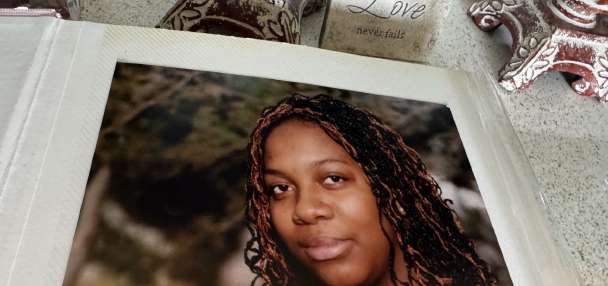
Lovell, 66, killed Joyce Yost in 1985, to prevent her from testifying after he had been charged with raping her, according to court documents. Authorities said he tried to hire two other people to kill Yost before deciding to carry out the murder himself. Her body was never found.
He admitted his guilt in 1993, but was allowed to withdraw that guilty plea in 2011, which led to the trial and, ultimately, to Lovell being sentenced to death a second time, in 2015.
Utah Supreme Court Justice John Pearce said a reasonable attorney would not have allowed evidence at trial pertaining to church leadership needing to approve re-admittance into the church after their client's excommunication. He said the jury was being asked to see if Lovell had changed in the 30 years since the crime for which he was being tried, and prosecutors brought up the fact that church leadership would have to concur.
Coebergh said it means something to the jury when a defendant is not welcome in a church.
"The whole policy, policy discussion, doctrine — this court should rule absolutely inadmissible," she said.
She said that evidence invited the jury to make a decision on something other than the law, as an appeal to a higher power than the court, and the Supreme Court judges cannot assume that comment did not have an effect on the jury. She said using a handbook from the church is "a corrupt practice" that cannot be tolerated in the courts.
"There is a separation of church and state for a reason," she said, adding "that not only blurred the lines — the prosecutor catapulted himself over that line. And the (inference) of that notion is that it invited the jury to resort in their mind to a higher power than that court."
Mark Field, assistant solicitor general, argued that Lovell's trial attorneys may not have objected to the comments on his membership status because they had a witness the next day who would share religious testimony they wanted to ensure was allowed. The witness testified Lovell had been working on indexing for the church, which is transcribing documents for use in family history, and spoke about remorse and forgiveness.
Field said Lovell and his attorneys made the choice to not allow the jury an option of life in prison without the possibility of parole; instead, they were making a decision between the death penalty and life with the possibility of parole. He said this was what undermined his case, where evidence against Lovell was "virtually insurmountable" and the jury did not have an option to sentence him to life without parole.
Coebergh discussed multiple other reasons Lovell's attorneys were not effective. She said they had a responsibility to show evidence supporting his eligibility to be released on parole.
She said the attorneys' billing practices were unethical and said defendants have a right to have two attorneys on a case where the death penalty is a possibility, and those attorneys should both have skin in the game — and not be billing against each other.
Coebergh said the attorneys had a cap on what they could spend on their investigation and did not ask for more funds, did not perform individual interviews with witnesses and the junior attorney did not call witnesses as the senior attorney instructed and expected.