'%3e%3cpath%20d='M34.1406%205.85938C30.3906%202.10547%2025.3047%200%2020%200C14.6953%200%209.60938%202.10547%205.85938%205.85938C2.10938%209.61328%200%2014.6953%200%2020C0%2025.3047%202.10547%2030.3906%205.85938%2034.1406C9.61328%2037.8906%2014.6953%2040%2020%2040C25.3047%2040%2030.3906%2037.8945%2034.1406%2034.1406C37.8906%2030.3906%2040%2025.3047%2040%2020C40%2014.6953%2037.8945%209.60938%2034.1406%205.85938ZM37.0117%2023.543H31.1602V13.5391H27.6328V19.9414C28.1211%2020.6914%2028.3711%2021.582%2028.3711%2022.5625V22.625C28.3711%2023.668%2028.1172%2024.6055%2027.6328%2025.4297V26.6094H36.082C33.4883%2032.9375%2027.2891%2037.3789%2020.0039%2037.3789C10.3711%2037.3789%202.62109%2029.6289%202.62109%2020C2.62109%2010.3711%2010.3711%202.62109%2020%202.62109C29.6289%202.62109%2037.3789%2010.3711%2037.3789%2020C37.3789%2021.1484%2037.2617%2022.2656%2037.0508%2023.3477C37.0391%2023.4141%2037.0234%2023.4766%2037.0117%2023.543Z'%20fill='white'/%3e%3cpath%20d='M22.3086%2018.5352C20.4336%2018.125%2019.9531%2017.8398%2019.9766%2017.1836V17.1406C19.9766%2016.6992%2020.3477%2016.2148%2021.4023%2016.2148C22.582%2016.2148%2023.8867%2016.6797%2025.0781%2017.4766L26.8516%2015.0195C25.4453%2013.8906%2023.707%2013.3398%2021.5547%2013.3398C18.5195%2013.3398%2016.4375%2015%2016.4063%2017.4766V17.5352C16.3633%2020.2617%2018.5859%2020.9805%2021.293%2021.6016C23.0391%2021.9766%2023.5703%2022.3164%2023.5703%2022.9609L23.5469%2022.9766C23.5469%2023.3906%2023.2578%2023.7031%2022.7852%2023.8359C22.5742%2023.9062%2022.1289%2023.9727%2021.5156%2023.9727C20.7617%2023.9727%2019.7539%2023.8633%2018.6328%2023.4844C18.0898%2023.2891%2017.4727%2023.0039%2016.8047%2022.6133L20.1406%2026.625C20.2813%2026.6602%2021.0977%2026.8516%2021.7734%2026.8516C25.0039%2026.8516%2027.0859%2025.2461%2027.1094%2022.6328V22.5703C27.1602%2020.1133%2025.2148%2019.1719%2022.3086%2018.5352Z'%20fill='white'/%3e%3cpath%20d='M5.24219%2013.5664V26.6133H8.75391V23.7578L10.2969%2021.9531L14.2031%2026.6133H18.3867L12.3555%2019.5195L17.4023%2013.5664H13.4531L8.75391%2019.0586V13.5664H5.24219Z'%20fill='white'/%3e%3c/g%3e%3cdefs%3e%3cclipPath%20id='clip0_97_2430'%3e%3crect%20width='40'%20height='40'%20fill='white'/%3e%3c/clipPath%3e%3c/defs%3e%3c/svg%3e)


Estimated read time: 4-5 minutes
This archived news story is available only for your personal, non-commercial use. Information in the story may be outdated or superseded by additional information. Reading or replaying the story in its archived form does not constitute a republication of the story.
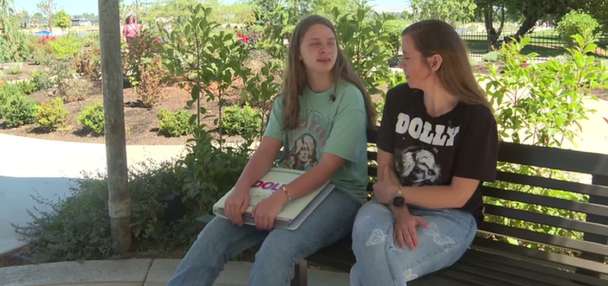
LEHI — Marie "Rita" Vischer Elliott cried as she read the first few chapters of the book chronicling her family's experiences in a Japanese prisoner-of-war camp during World War II.
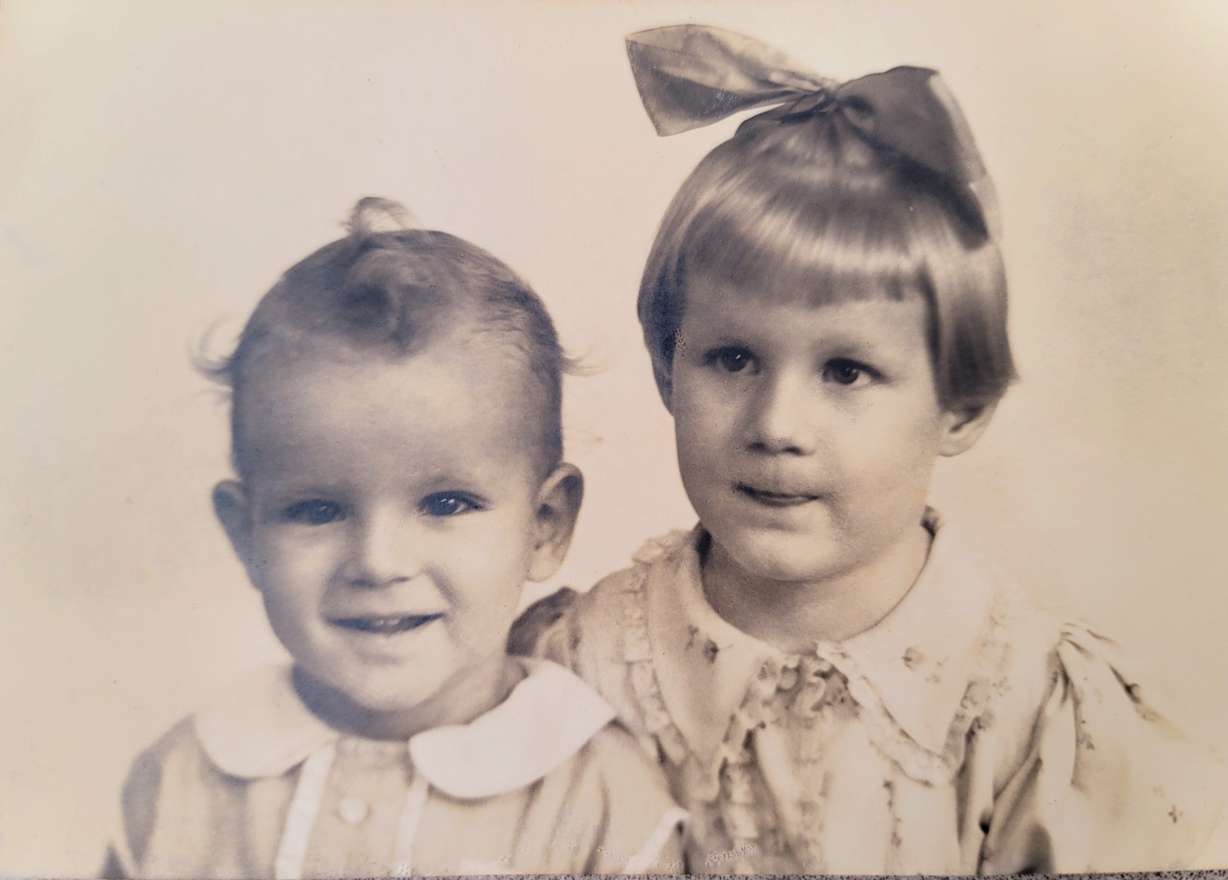
Now 86, Elliott was almost 6 years old when she and her family were sent to a camp in Indonesia, then called the Dutch East Indies, shortly after the bombing of Pearl Harbor on Dec. 7, 1941. The Vischer family would spend about 3½ years there before the end of the war.
Afterward, they wouldn't discuss it — until a few years ago, when Elliott realized their story needed to be told.
USA Today bestselling author Heather B. Moore, of Lehi, turned Elliott's story into a book that will hit shelves on Sept. 5. "Under the Java Moon," published by Shadow Mountain, is what Moore said is the first work of historical fiction to chronicle the "forgotten history" and "untold story" of the Dutch people in Indonesia during World War II, when families were separated into camps and had to fight for their survival.
This story just shows me that it is important to share our own stories with those around us, with our kids and our grandkids, and to not forget.
– Heather B. Moore, author of "Under the Java Moon"
Moore said this story is critical for helping readers understand the personal impact of the war, as reading textbooks doesn't have the same emotional effect as learning about someone else's lived experience.
"When you read about someone's personal experience, it helps us relate, and helps us to not make those same mistakes and helps us to embrace our humanity," Moore said.
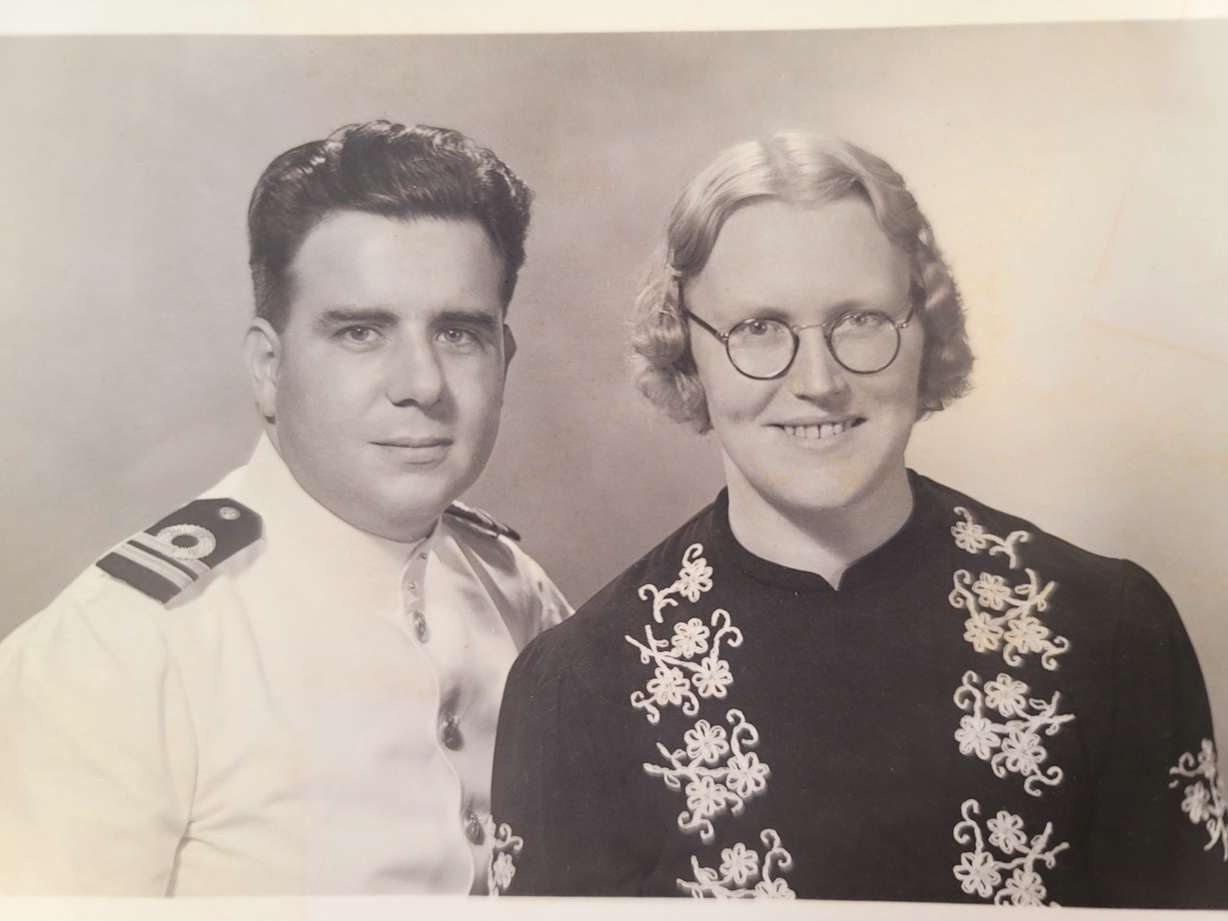
The book's introduction says Elliott's parents were from the Netherlands, but that she grew up in Indonesia surrounded by other Dutch families while her father, George Vischer, was stationed on Java Island while working for the Royal Packet Navigation Company.
During World War II, Holland declared war on Japan, Japan invaded and occupied Indonesia, and Elliott's family was divided up and sent to Japanese prisoner-of-war camps. Elliott, along with her pregnant mother, grandma and younger brother Georgie were sent to the Tjideng Camp with other women and children.
"Under the Java Moon" tells that story.
'War makes children grow up'
Moore and Elliott met in Utah in August 2021 after Moore's publisher introduced them to potentially work together.
Moore's concern was the abundance of World War II stories already on the market. But when she heard about Elliott's experiences, she was floored as she realized the unique qualities of Elliott's untold story.
She was impressed by how much Elliott remembered, and called her "very vibrant and very lovely.
"I don't know if I would have that personality, going through the things that she did," Moore said. "She basically was just putting her heart on her sleeve and telling me things that were personal, and so I felt like she was ready to tell her story."
The book is told from the perspective of three people: Elliott, called in the book by her nickname, Rita; her mom, Mary; and her dad. Moore said some situations in the book are fictionalized, but most are based heavily on Elliott's experiences, along with the memoirs about life in the camps Moore read during her research.
Even though I was doing the writing, she felt like she could now take ownership in the story, too.
– Heather B. Moore, author of "Under the Java Moon"
As part of fictionalizing the story, Moore asked Elliott if they should make her character older than 5. But Elliott was adamant.
"War makes children grow up," she told Moore.
Moore sent Elliott several chapters at a time as she wrote the book to make sure she was happy with her portrayal. Elliott became heavily involved, texting, calling and emailing Moore to add details and technicalities to the story.
"It became very collaborative that way," Moore said. "Even though I was doing the writing, she felt like she could now take ownership in the story, too."
After two years of working together, Moore said the relationship has turned personal, as the two call frequently, and Elliott has come to play a grandmotherly role in Moore's life.
"She's not shy to put her opinion across, but she's also very loving and very grateful, and it just reminds me of having a grandmother figure," Moore said. With a laugh, she added, "She's also very grateful and very sweet. But she also will tell you if you crossed a line."
'Heal wounds of the past'
Moore's personal takeaways from working with Elliott include the importance of capturing family stories for future generations.
"This story just shows me that it is important to share our own stories with those around us, with our kids and our grandkids, and to not forget," Moore said. "Because if we don't forget, then we won't repeat the terrible past and the terrible atrocities of our history."
Elliott told Moore her family is grateful to learn more about their family history through "Under the Java Moon."
"I think it's just remarkable that Marie is still living and she can still tell her story," Moore said. "It's also a good example of how our faith and our perseverance can really heal wounds of the past."
"Under the Java Moon" is available for preorder on Amazon, at Barnes and Noble and through other booksellers.

Photos
Most recent Entertainment stories
Related topics
 Gabrielle Shiozawa