'%3e%3cpath%20d='M34.1406%205.85938C30.3906%202.10547%2025.3047%200%2020%200C14.6953%200%209.60938%202.10547%205.85938%205.85938C2.10938%209.61328%200%2014.6953%200%2020C0%2025.3047%202.10547%2030.3906%205.85938%2034.1406C9.61328%2037.8906%2014.6953%2040%2020%2040C25.3047%2040%2030.3906%2037.8945%2034.1406%2034.1406C37.8906%2030.3906%2040%2025.3047%2040%2020C40%2014.6953%2037.8945%209.60938%2034.1406%205.85938ZM37.0117%2023.543H31.1602V13.5391H27.6328V19.9414C28.1211%2020.6914%2028.3711%2021.582%2028.3711%2022.5625V22.625C28.3711%2023.668%2028.1172%2024.6055%2027.6328%2025.4297V26.6094H36.082C33.4883%2032.9375%2027.2891%2037.3789%2020.0039%2037.3789C10.3711%2037.3789%202.62109%2029.6289%202.62109%2020C2.62109%2010.3711%2010.3711%202.62109%2020%202.62109C29.6289%202.62109%2037.3789%2010.3711%2037.3789%2020C37.3789%2021.1484%2037.2617%2022.2656%2037.0508%2023.3477C37.0391%2023.4141%2037.0234%2023.4766%2037.0117%2023.543Z'%20fill='white'/%3e%3cpath%20d='M22.3086%2018.5352C20.4336%2018.125%2019.9531%2017.8398%2019.9766%2017.1836V17.1406C19.9766%2016.6992%2020.3477%2016.2148%2021.4023%2016.2148C22.582%2016.2148%2023.8867%2016.6797%2025.0781%2017.4766L26.8516%2015.0195C25.4453%2013.8906%2023.707%2013.3398%2021.5547%2013.3398C18.5195%2013.3398%2016.4375%2015%2016.4063%2017.4766V17.5352C16.3633%2020.2617%2018.5859%2020.9805%2021.293%2021.6016C23.0391%2021.9766%2023.5703%2022.3164%2023.5703%2022.9609L23.5469%2022.9766C23.5469%2023.3906%2023.2578%2023.7031%2022.7852%2023.8359C22.5742%2023.9062%2022.1289%2023.9727%2021.5156%2023.9727C20.7617%2023.9727%2019.7539%2023.8633%2018.6328%2023.4844C18.0898%2023.2891%2017.4727%2023.0039%2016.8047%2022.6133L20.1406%2026.625C20.2813%2026.6602%2021.0977%2026.8516%2021.7734%2026.8516C25.0039%2026.8516%2027.0859%2025.2461%2027.1094%2022.6328V22.5703C27.1602%2020.1133%2025.2148%2019.1719%2022.3086%2018.5352Z'%20fill='white'/%3e%3cpath%20d='M5.24219%2013.5664V26.6133H8.75391V23.7578L10.2969%2021.9531L14.2031%2026.6133H18.3867L12.3555%2019.5195L17.4023%2013.5664H13.4531L8.75391%2019.0586V13.5664H5.24219Z'%20fill='white'/%3e%3c/g%3e%3cdefs%3e%3cclipPath%20id='clip0_97_2430'%3e%3crect%20width='40'%20height='40'%20fill='white'/%3e%3c/clipPath%3e%3c/defs%3e%3c/svg%3e)




Estimated read time: 3-4 minutes
This archived news story is available only for your personal, non-commercial use. Information in the story may be outdated or superseded by additional information. Reading or replaying the story in its archived form does not constitute a republication of the story.
SALT LAKE CITY — It comes with a $10 million price tag and a very tired horse ridden by dozens of water experts who want to push this steed to the finish line to make sure water — in the event of a natural disaster — gets to thirsty people headed for the trough.
It's not about drought, but HB150 addresses sudden impact natural disasters like a dam breach or earthquake when water is crucial for human survival and farmers and ranchers are likely to have their water rights sucked up first to meet that public safety need.
The compensation from a proposed $10 million fund for the upending of water right priorities would be handled through the Utah Department of Agriculture and Food.
Sponsored by Rep. Carl Albrecht, R-Richfield, and endorsed by the state's Water Task Force and other water entities, the bill emerged after intense meetings first convened in April and necessary compromises.
Still, Albrecht told the Senate Natural Resources, Agriculture and Environment Committee on Tuesday that he hopes if the bill is passed into law, it remains an exercise in paperwork and a fail-safe.
Tired horses and a safeguard
"We hope this bill is never used. But if it is, it provides a framework for our state engineer and our Department of Natural Resources director on how to handle this and it also controls the length of the emergency from the executive branch," Albrecht said. "It's been a long haul. I'm tired and the horse is tired that I've been riding."
The bill passed the Senate committee unanimously, after already being amended in the House, and returns to the Senate for further consideration.
Albrecht emphasized it is not about drought, but about natural disasters that in a wholesale fashion could take water systems offline. It also does not expand the gubernatorial authority to extend an emergency declaration beyond 30 days without the consent of the Legislature.
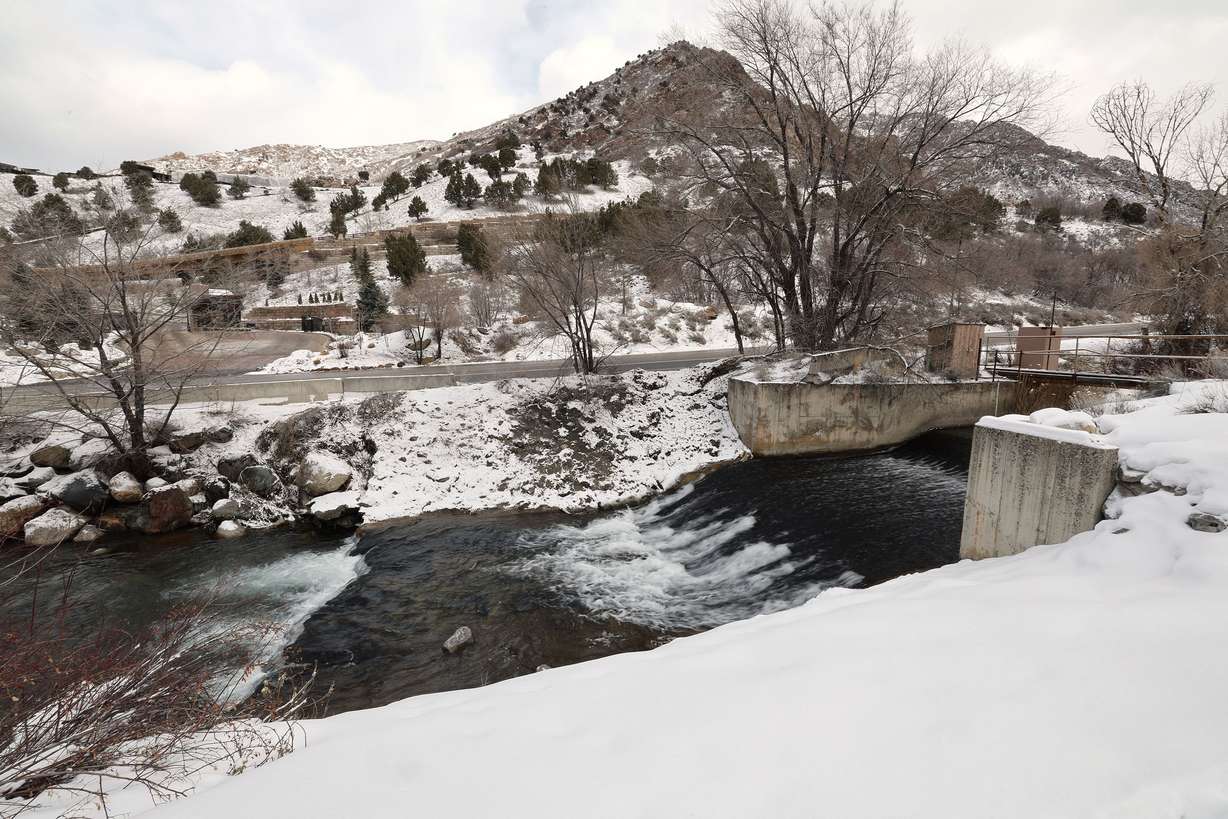
Water rights and the thirsty
If a city's water supply were impacted in a natural disaster, those leaders would approach the governor for help finding an alternative water supply and, if necessary, higher priority water rights would be shifted to meet those needs, with compensation, under the measure.
The shift would come on the recommendation of the state engineer who is over water rights in Utah, essentially giving a different order to preference.
"This bill establishes a well-defined process for a water user to exercise preference of use during a temporary water shortage emergency declared by the governor," said Terry Camp, vice president of public policy for the Utah Farm Bureau. "We believe this bill will help to protect farmers and ranchers by setting up a framework by which an interrupted water user can receive fair compensation from the preferential water user."
Steven Clyde, a water attorney and member of the Utah Water Task Force, said the bill is a good compromise.
"Hopefully it won't be used, but if it is, it is a good vehicle to solve a temporary situation. It is not intended as drought relief, but this is purely to address short-term emergencies," he said.
Another member of the task force likened it to those items in your house you may never use, but are necessary.
"It is like the fire extinguisher in your home. It's good to have, but you hope you never need it," said Warren Peterson, a water expert attorney.