'%3e%3cpath%20d='M34.1406%205.85938C30.3906%202.10547%2025.3047%200%2020%200C14.6953%200%209.60938%202.10547%205.85938%205.85938C2.10938%209.61328%200%2014.6953%200%2020C0%2025.3047%202.10547%2030.3906%205.85938%2034.1406C9.61328%2037.8906%2014.6953%2040%2020%2040C25.3047%2040%2030.3906%2037.8945%2034.1406%2034.1406C37.8906%2030.3906%2040%2025.3047%2040%2020C40%2014.6953%2037.8945%209.60938%2034.1406%205.85938ZM37.0117%2023.543H31.1602V13.5391H27.6328V19.9414C28.1211%2020.6914%2028.3711%2021.582%2028.3711%2022.5625V22.625C28.3711%2023.668%2028.1172%2024.6055%2027.6328%2025.4297V26.6094H36.082C33.4883%2032.9375%2027.2891%2037.3789%2020.0039%2037.3789C10.3711%2037.3789%202.62109%2029.6289%202.62109%2020C2.62109%2010.3711%2010.3711%202.62109%2020%202.62109C29.6289%202.62109%2037.3789%2010.3711%2037.3789%2020C37.3789%2021.1484%2037.2617%2022.2656%2037.0508%2023.3477C37.0391%2023.4141%2037.0234%2023.4766%2037.0117%2023.543Z'%20fill='white'/%3e%3cpath%20d='M22.3086%2018.5352C20.4336%2018.125%2019.9531%2017.8398%2019.9766%2017.1836V17.1406C19.9766%2016.6992%2020.3477%2016.2148%2021.4023%2016.2148C22.582%2016.2148%2023.8867%2016.6797%2025.0781%2017.4766L26.8516%2015.0195C25.4453%2013.8906%2023.707%2013.3398%2021.5547%2013.3398C18.5195%2013.3398%2016.4375%2015%2016.4063%2017.4766V17.5352C16.3633%2020.2617%2018.5859%2020.9805%2021.293%2021.6016C23.0391%2021.9766%2023.5703%2022.3164%2023.5703%2022.9609L23.5469%2022.9766C23.5469%2023.3906%2023.2578%2023.7031%2022.7852%2023.8359C22.5742%2023.9062%2022.1289%2023.9727%2021.5156%2023.9727C20.7617%2023.9727%2019.7539%2023.8633%2018.6328%2023.4844C18.0898%2023.2891%2017.4727%2023.0039%2016.8047%2022.6133L20.1406%2026.625C20.2813%2026.6602%2021.0977%2026.8516%2021.7734%2026.8516C25.0039%2026.8516%2027.0859%2025.2461%2027.1094%2022.6328V22.5703C27.1602%2020.1133%2025.2148%2019.1719%2022.3086%2018.5352Z'%20fill='white'/%3e%3cpath%20d='M5.24219%2013.5664V26.6133H8.75391V23.7578L10.2969%2021.9531L14.2031%2026.6133H18.3867L12.3555%2019.5195L17.4023%2013.5664H13.4531L8.75391%2019.0586V13.5664H5.24219Z'%20fill='white'/%3e%3c/g%3e%3cdefs%3e%3cclipPath%20id='clip0_97_2430'%3e%3crect%20width='40'%20height='40'%20fill='white'/%3e%3c/clipPath%3e%3c/defs%3e%3c/svg%3e)



Estimated read time: 3-4 minutes
This archived news story is available only for your personal, non-commercial use. Information in the story may be outdated or superseded by additional information. Reading or replaying the story in its archived form does not constitute a republication of the story.
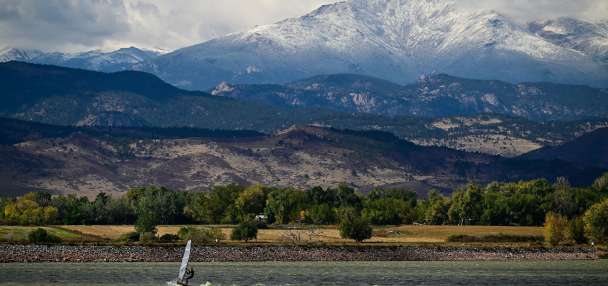
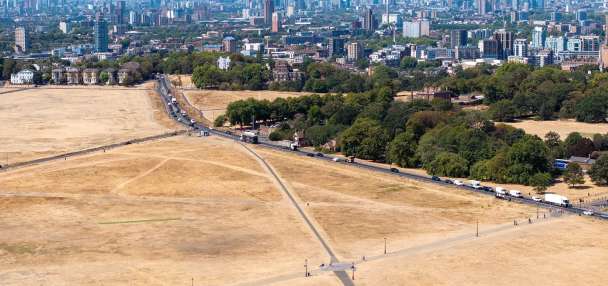
SALT LAKE CITY — Drought, wildfire, flooding, record-breaking heat, dismal snowpack and even extreme flash floods.
The West has been haunted by extreme weather, and some of these conditions have been replicated around the world.
To that end, the 2022 United Nations Climate Change Conference (COP27) started Sunday and will take place until Nov. 18 in Sharm El-Sheikh, Egypt.
"As we face the collective threat of climate change, COP27 is an opportunity for world leaders to show solidarity — and take concerted action — when we need it most," a statement on its website reads.
Presentations delve into some interesting conversations around the issue, including the Indigenous peoples of the world and their stewardship, how the shipping sector can help restore the oceans, food systems and agriculture and the question of who pays for climate change's aftermath.
Climate crisis and collaboration
According to the Wall Street Journal, U.S. Climate Envoy John Kerry wants industrialized nations to be able to cash in on carbon credits to help underserved nations stay away from developing them.
Those developing countries have demanded $1.3 trillion by 2030 to make a clean energy transition. What will happen is anyone's guess with the Journal reporting that developed nations have failed to meet their financial obligations.
Kerry will make his presentation at the conference this week.
The United Nations and what you need to know about the conference:
- The COP27 presidency expects nations to capture and assess their progress toward enhancing resilience and helping the most vulnerable communities. That means countries making more detailed and ambitious commitments in the adaptation components of their national climate plans.
- According to Ilana Seid, permanent representative of Palau to the United Nation and climate negotiator, the conference is going to be "confusing" given the current sociopolitical landscape and energy crisis.
"The war in Ukraine happened, so there are so many things that so many countries agreed to, and now they can't do. As a result of the war, the landscape has shifted," she said.
Indeed, Russia's invasion of Ukraine has contributed to global inflation and an energy, food and supply chain crisis. Countries such as Germany have had to scale back on their climate goals in the short term, while the historical China-U.S. Climate Working Group announced earlier it has now been suspended.
- So far, there are over 30,000 people registered to attend representing governments, businesses, NGOs and civil society groups. The negotiations also include observers, which have no formal part in the talks but make interventions and help maintain transparency. Observers include United Nations agencies, intergovernmental organizations, NGOs, faith-based groups and the press.
Besides the official negotiations, there will be conference rooms, a pavilion section and thousands of side events happening, divided over thematic days.
This year's themes are: Finance; Science; Youth and Future Generations; Decarbonization; Adaptation and Agriculture; Gender; Water; Action for Climate Empowerment (ACE) and Civil Society; Energy; Biodiversity; and Solutions.