'%3e%3cpath%20d='M34.1406%205.85938C30.3906%202.10547%2025.3047%200%2020%200C14.6953%200%209.60938%202.10547%205.85938%205.85938C2.10938%209.61328%200%2014.6953%200%2020C0%2025.3047%202.10547%2030.3906%205.85938%2034.1406C9.61328%2037.8906%2014.6953%2040%2020%2040C25.3047%2040%2030.3906%2037.8945%2034.1406%2034.1406C37.8906%2030.3906%2040%2025.3047%2040%2020C40%2014.6953%2037.8945%209.60938%2034.1406%205.85938ZM37.0117%2023.543H31.1602V13.5391H27.6328V19.9414C28.1211%2020.6914%2028.3711%2021.582%2028.3711%2022.5625V22.625C28.3711%2023.668%2028.1172%2024.6055%2027.6328%2025.4297V26.6094H36.082C33.4883%2032.9375%2027.2891%2037.3789%2020.0039%2037.3789C10.3711%2037.3789%202.62109%2029.6289%202.62109%2020C2.62109%2010.3711%2010.3711%202.62109%2020%202.62109C29.6289%202.62109%2037.3789%2010.3711%2037.3789%2020C37.3789%2021.1484%2037.2617%2022.2656%2037.0508%2023.3477C37.0391%2023.4141%2037.0234%2023.4766%2037.0117%2023.543Z'%20fill='white'/%3e%3cpath%20d='M22.3086%2018.5352C20.4336%2018.125%2019.9531%2017.8398%2019.9766%2017.1836V17.1406C19.9766%2016.6992%2020.3477%2016.2148%2021.4023%2016.2148C22.582%2016.2148%2023.8867%2016.6797%2025.0781%2017.4766L26.8516%2015.0195C25.4453%2013.8906%2023.707%2013.3398%2021.5547%2013.3398C18.5195%2013.3398%2016.4375%2015%2016.4063%2017.4766V17.5352C16.3633%2020.2617%2018.5859%2020.9805%2021.293%2021.6016C23.0391%2021.9766%2023.5703%2022.3164%2023.5703%2022.9609L23.5469%2022.9766C23.5469%2023.3906%2023.2578%2023.7031%2022.7852%2023.8359C22.5742%2023.9062%2022.1289%2023.9727%2021.5156%2023.9727C20.7617%2023.9727%2019.7539%2023.8633%2018.6328%2023.4844C18.0898%2023.2891%2017.4727%2023.0039%2016.8047%2022.6133L20.1406%2026.625C20.2813%2026.6602%2021.0977%2026.8516%2021.7734%2026.8516C25.0039%2026.8516%2027.0859%2025.2461%2027.1094%2022.6328V22.5703C27.1602%2020.1133%2025.2148%2019.1719%2022.3086%2018.5352Z'%20fill='white'/%3e%3cpath%20d='M5.24219%2013.5664V26.6133H8.75391V23.7578L10.2969%2021.9531L14.2031%2026.6133H18.3867L12.3555%2019.5195L17.4023%2013.5664H13.4531L8.75391%2019.0586V13.5664H5.24219Z'%20fill='white'/%3e%3c/g%3e%3cdefs%3e%3cclipPath%20id='clip0_97_2430'%3e%3crect%20width='40'%20height='40'%20fill='white'/%3e%3c/clipPath%3e%3c/defs%3e%3c/svg%3e)


Estimated read time: 4-5 minutes
This archived news story is available only for your personal, non-commercial use. Information in the story may be outdated or superseded by additional information. Reading or replaying the story in its archived form does not constitute a republication of the story.
Editor's note:This article is a part of a series reviewing Utah and U.S. history for KSL.com's Historic section.
SALT LAKE CITY — As the days get shorter and the air chillier, fall is most certainly here.
There's been no better sign of it this year than the stunning colors throughout Utah's natural splendor.
As the trees and shrubs have shifted, KSL.com's iWitness feature has received plenty of colorful submissions. Bryce Rasmussen, Ron Winterton and Scott Taylor submitted breathtaking images of Midway, Wolf Creek Pass and Logan Canyon, respectively. That's, of course, just a fraction of the thousands and thousands of people heading around Utah's many canyons.
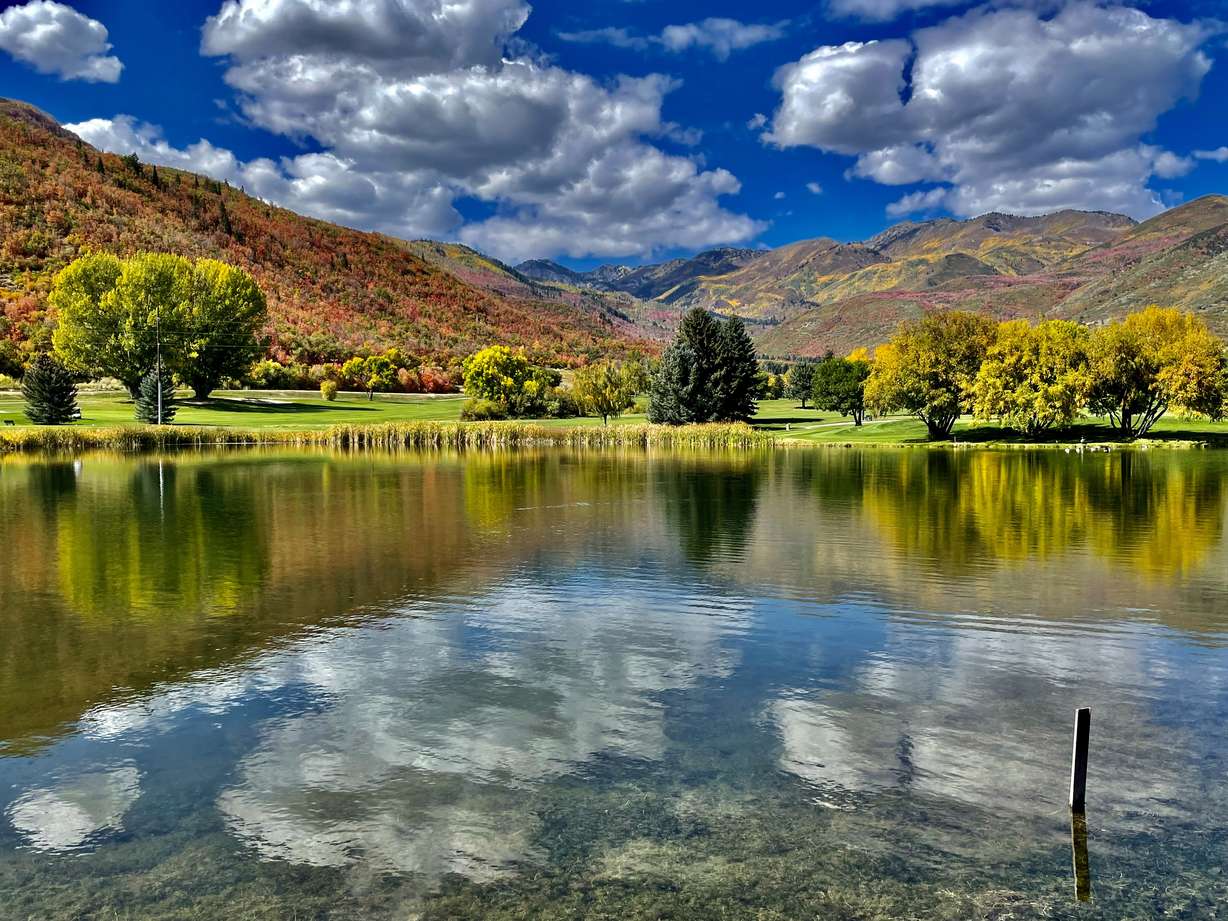
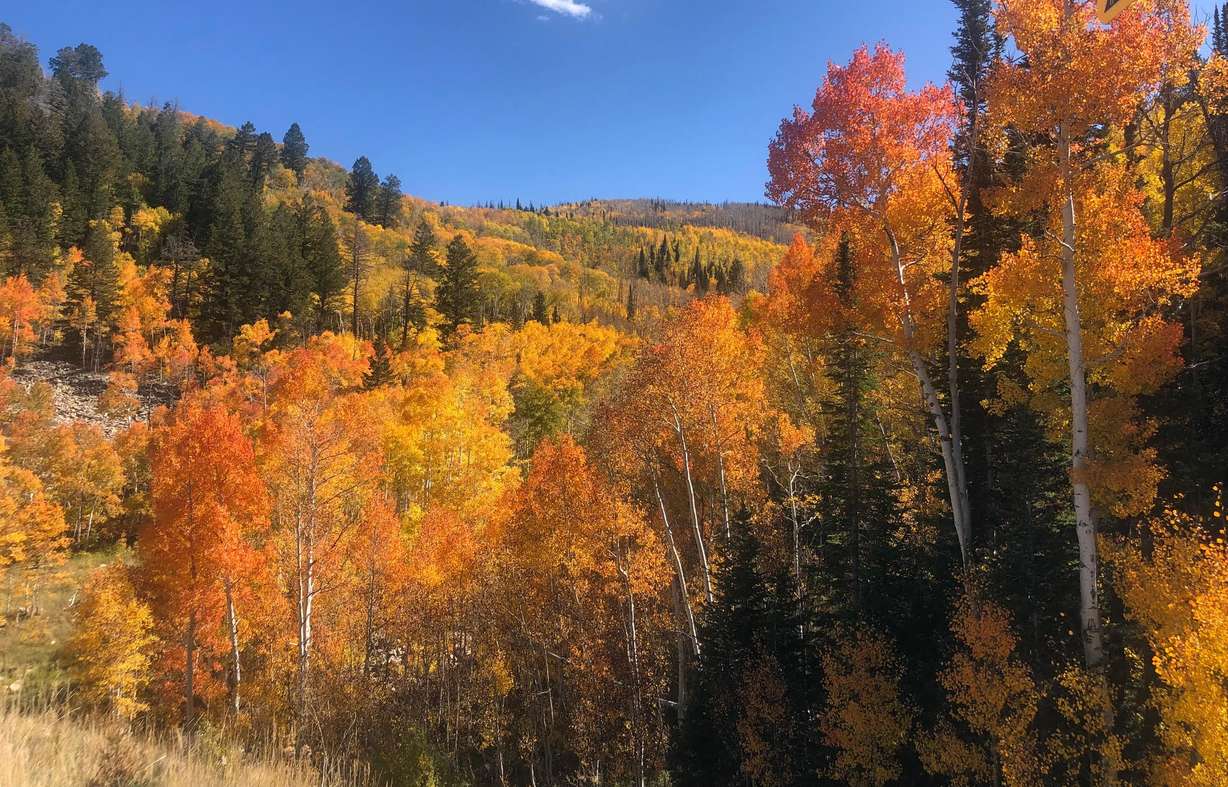
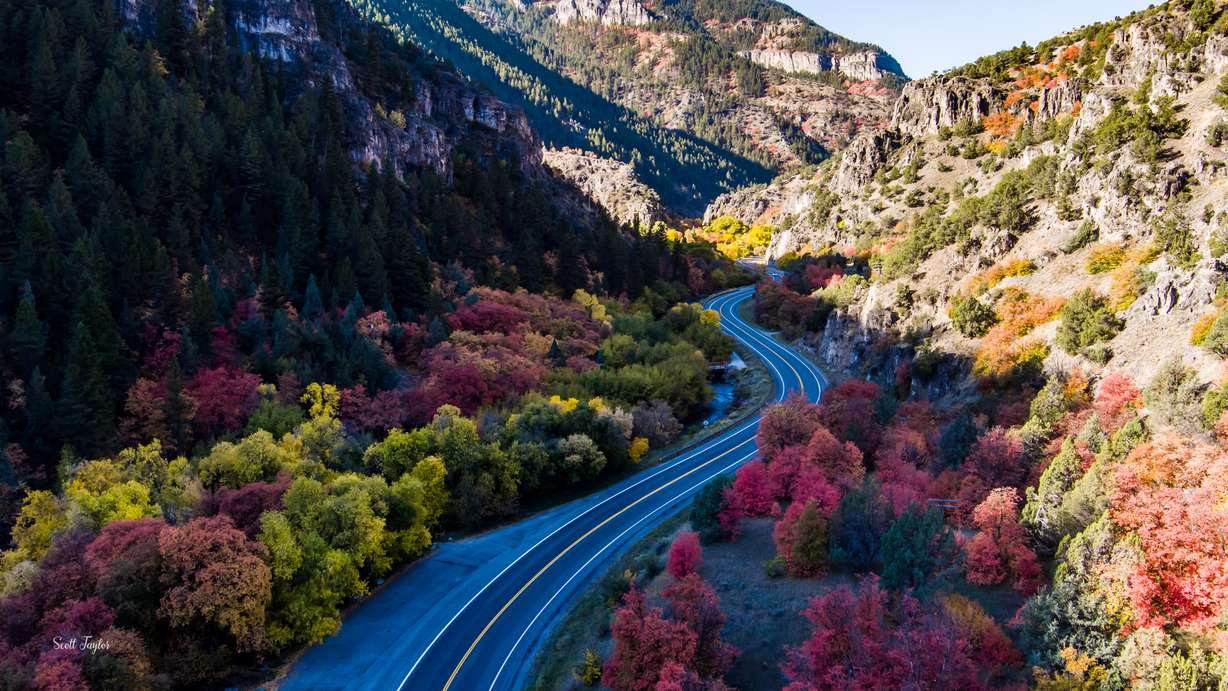

It turns out this is a tradition that dates back to at least the rise of color photography, but likely even beyond that.
When color photography became more accessible
Photography, of course, dates back to before the pioneer settlement of Utah. French inventor Joseph Nicephore Niepce came up with the camera in the 1820s; his photograph from a window in his home — believed to be taken in 1826 — is the oldest known photo in the world.
Technology over the past 195 years has made taking photos easier and easier, resulting in mass documentation of life at the moment a picture is taken. One of the biggest innovations was the invention of and then the expansion of color photography.
Color photography dates back to 1861 when Louis Ducos Du Hauron announced a method of colored photographs by "combining colored pigments instead of by mixing colored light," according to United Kingdom's National Science and Media Museum. Some photographers did hand-painted color tinting before that.
Still, photography and especially colored photography remained rare until the 1900s because it was still a rather tedious process to capture and process images.
Auguste and Louis Lumiere introduced the first "viable method" of color photography in 1907, National Geographic noted. Kodak's Kodachrome, a 35-millimeter color film, wouldn't arrive until the 1930s, which really allowed color photography to blossom.
"Kodachrome captured a color version of the Hindenburg's fireball explosion in 1936," Time magazine wrote. "It accompanied Edmund Hillary to the top of Mount Everest in 1953. Abraham Zapruder was filming with 8mm Kodachrome in Dallas when he accidentally captured President Kennedy's assassination."
According to Time, 35mm Kodachrome rolls were sold for $3.50 beginning in 1936. Today, that would be nearly $69 when adjusting to inflation.
Documenting Utah's fall colors through time
Photo archives collected by the Utah Division of State History and University of Utah's J. Willard Marriott Library show at least a glimmer of Utah life based on what's donated to them. These collections show photos of Utah's fall colors emerge about the time color photography became more accessible to the average person. There are many photos specifically tied to fall colors in collections that begin to appear as early as the mid-1930s.
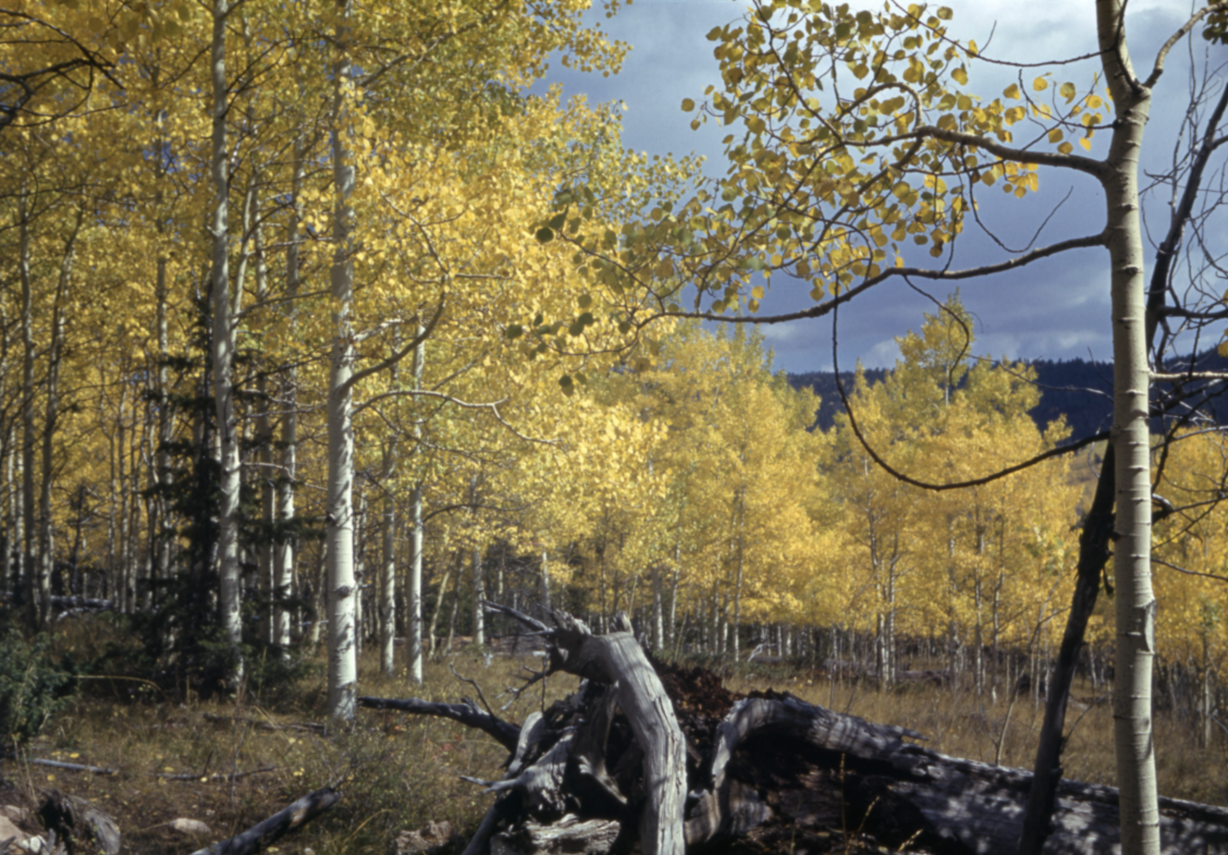
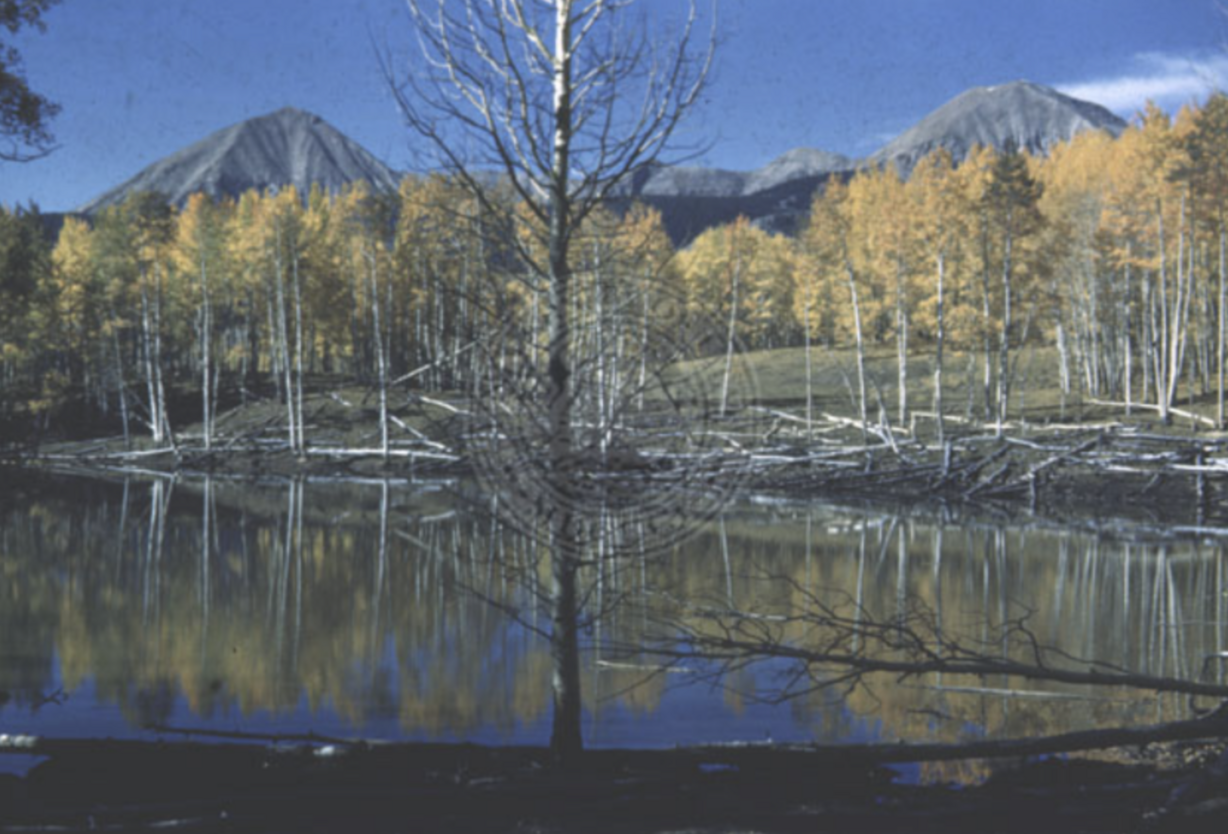
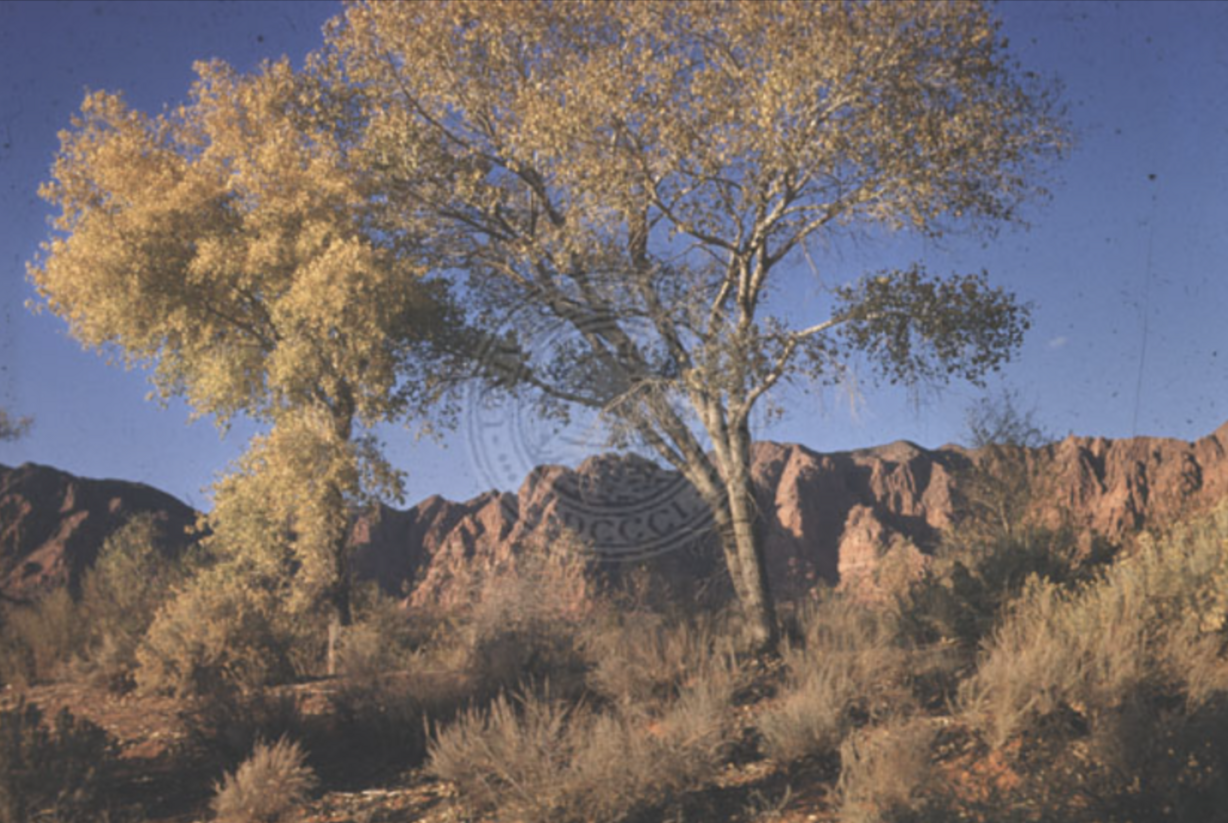
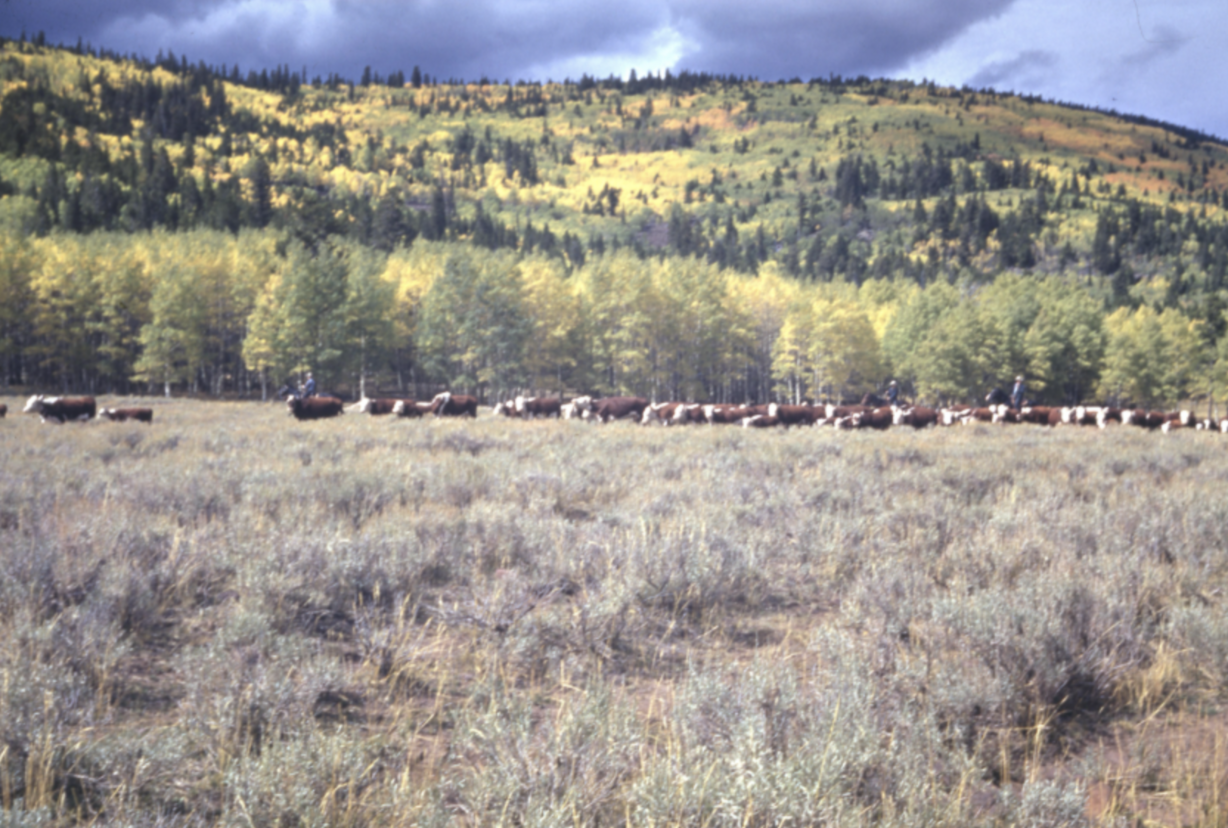
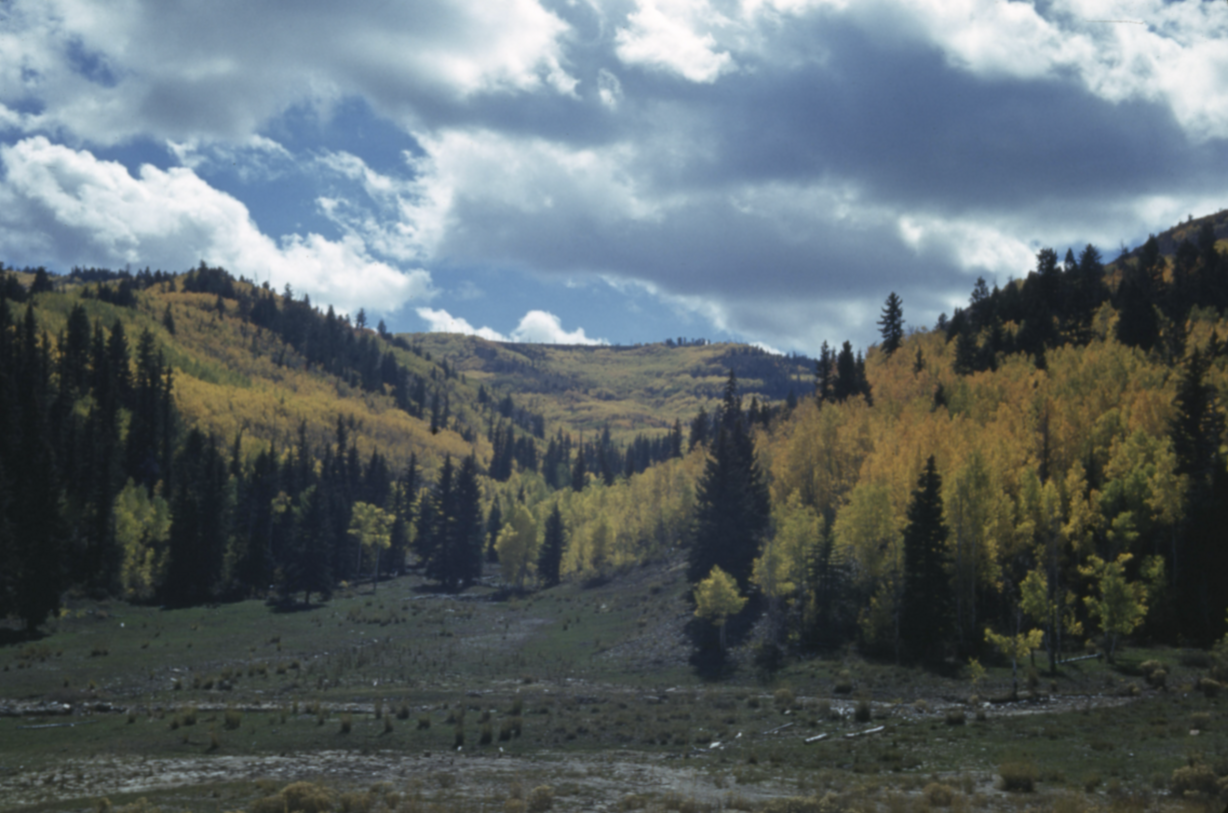
Anna Neatrour, the interim head of digital library services at the Marriott Library, said this rise makes sense because the state photos she and her colleagues have been able to collect over time show there's an even longer history of people photographing Utah's outdoors well before the innovation of color photography.
"Being that we are in Utah, (many collections) do have a unique focus on outdoor recreation and just the landscape of Utah in general," she said, adding there are many outdoor landscape photos in digital archives that were taken from river-rafting trips decades ago.
Time magazine pointed out that, in 1954, the Department of Justice declared Kodachrome-processing a monopoly and that led to the expansion of more companies being able to process color film. As color photography expanded with that, more photos were taken of Utah's fall foliage.
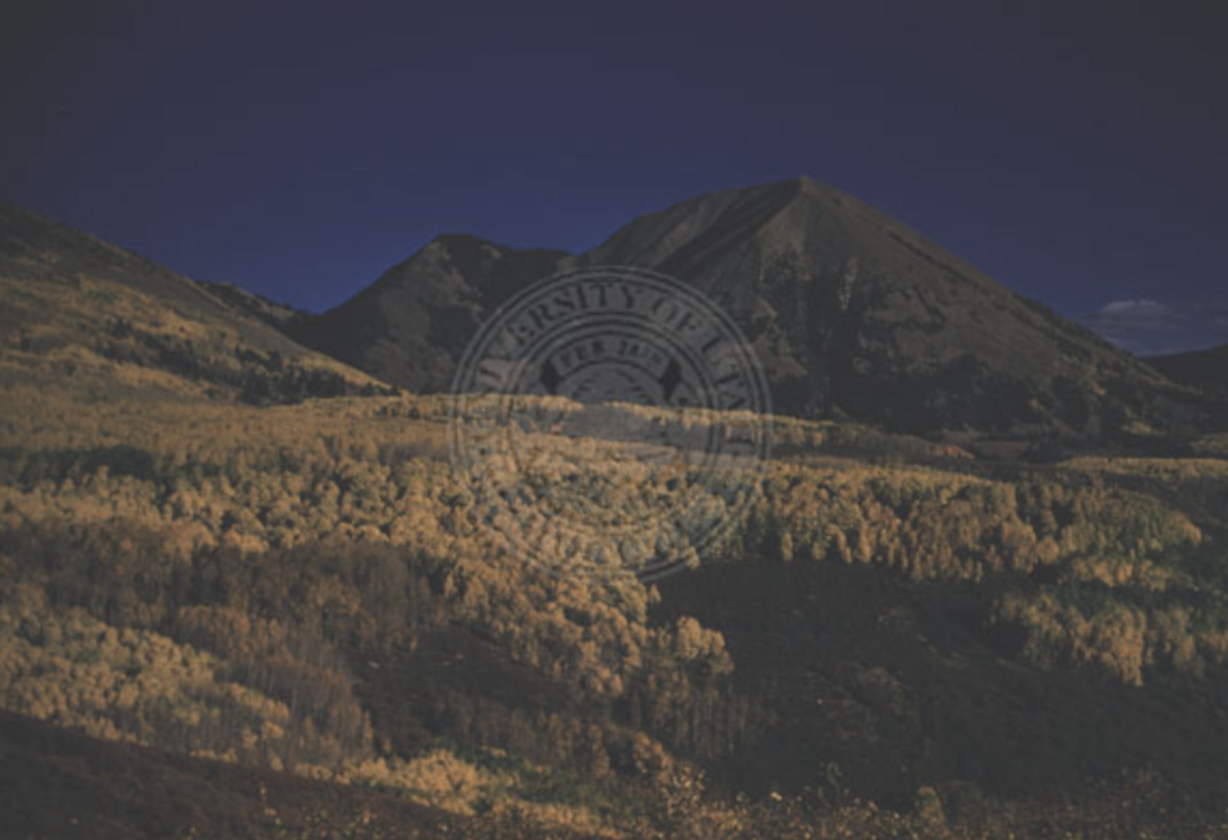
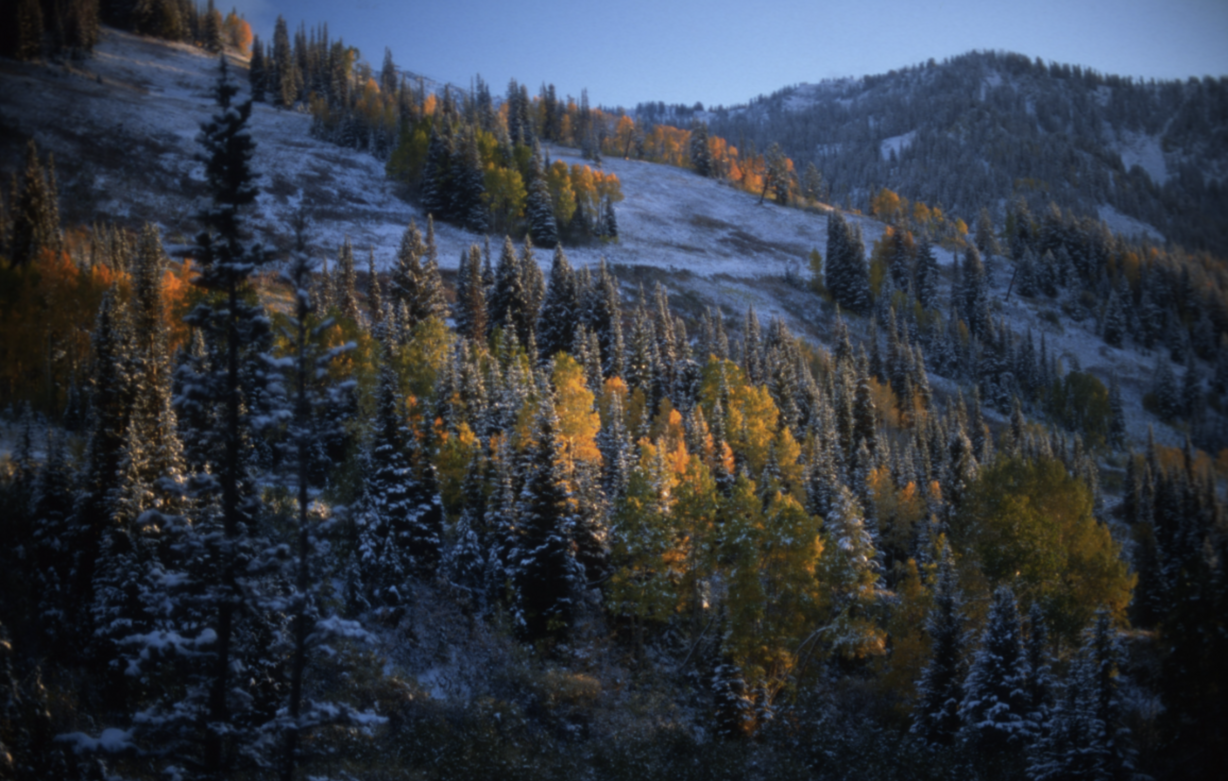
It just goes to show that heading outdoors to enjoy and photograph — likely now with your phone — Utah's fall scenery honors a tradition that's existed at least as long as it's been possible to photograph it in color. The thousands doing so this fall are keeping that legacy alive.