
Estimated read time: 2-3 minutes
This archived news story is available only for your personal, non-commercial use. Information in the story may be outdated or superseded by additional information. Reading or replaying the story in its archived form does not constitute a republication of the story.
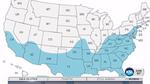
SALT LAKE CITY — New mapping from the Centers for Disease Control is changing the outlook for the threat of the Zika virus in the United States. The updated map shows that a larger portion is vulnerable to Zika-carrying mosquitoes than previously thought.
Until now, the maps showing the potential range of Zika-carrying mosquitoes were outdated — more than 12 years old. Now we are learning that the species of mosquitoes has been found before in southern Utah.
“We're doing surveillance constantly," said Sean Amodt of the Southwest Mosquito Abatement and Control District.
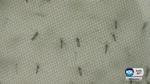
Mosquito abatement workers in the St. George area are on the lookout for the Aedes aegypti mosquito — which is mostly to blame for spreading the Zika virus through Latin America.
The new map from the CDC shows the mosquito has been found in southern Utah before. But the Southwest Mosquito Control District says it was quickly killed off years ago, thanks to their efforts and help from Mother Nature.
“The benefit we have is that we do get warm here but we also get cold here, so the environment does helps us a lot,” Amodt said. “So if it gets cold enough it’s going to kill off those species that we don’t want here.”
The cause for concern is very low in Utah because even if the mosquito lives in a certain spot, it has to bite an already infected person in order to spread Zika to other people.
“These mosquitoes have to bite and then bite another person. So if you take yourself out of the loop, then you're not going to spread that virus," said Amodt.
The release of the maps comes as the government warns health officials to prepare now by controlling mosquito populations. The main focus of the U.S. plan is to protect pregnant women from exposure to Zika-carrying mosquitoes.
"The most urgent imperative is to reduce the risk to pregnant women and their developing fetus, said CDC Director Tom Frieden. “And that's the overarching frame by which we make our plans, we make our actions, we focus our research, we focus our activities, and we keep ourselves motivated."
The concern for pregnant women, of course, is the growing evidence that Zika can cross the placenta and invade the brain of the developing fetus, causing severe birth defects.
So far, there have been about 300 cases of Zika in the United States, but all have been linked to travel to outbreak areas.
Health officials say it's likely the U.S. will see some small clusters of Zika spread by local transmission in Southern states when mosquito numbers boom as temperatures rise in the spring and summer.