Estimated read time: 2-3 minutes
This archived news story is available only for your personal, non-commercial use. Information in the story may be outdated or superseded by additional information. Reading or replaying the story in its archived form does not constitute a republication of the story.
Ed Yeates reportingThe honeybee crisis is not over yet.
Bees continue dying off in huge numbers in many places. They are the victims of what the Department of Agriculture calls Colony Collapse Disorder. Are we any closer this year to some answers?
Once it gets a little warmer outside, the honeybees will be out pollinating again, but how many?
Some of the largest beekeeping operations here and elsewhere have seen heavy losses this spring, while others have not.
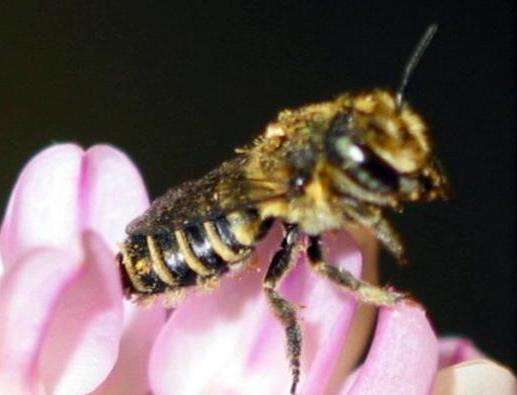
When we first visited researchers in 2005, they were investigating a mite that possibly had become resistant to pesticides. But the parasite was only one theory. Viruses, the effects of pesticides on the bees themselves, genetic inbreeding and migratory stress caused by beekeeping practices all were possibilities.
Now, three years later, are we any closer to an answer? Ed Bianco, state entomologist for the Utah Department of Agriculture, said, "We're working on it, the USDA (United States Department of Agriculture) scientists are working on it. I can't give you a definitive answer yet. We don't know for sure, yet, why."
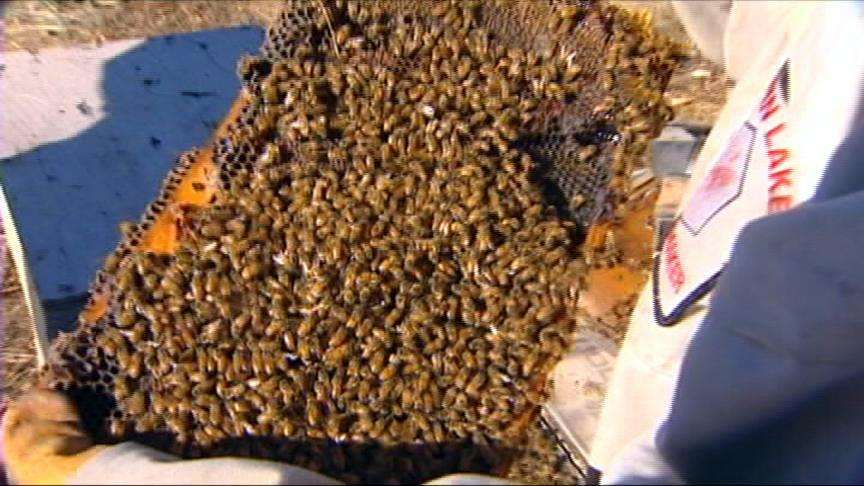
Beekeepers from as far away as Florida continue taking their hives all across the country to lease them out as lucrative pollinators to California almond and citrus growers. As the demand for almonds increases, so does the need for pollinating.
Could honeybees in one location, say with a resistant viral infection, be infecting other healthy bees during those trips?
Bianco says the Utah Department of Agriculture is asking beekeepers this season to help them get a handle on how much or how little the Colony Collapse Disorder is having on them. He says, "We're contacting all the beekeepers that we know, who are registered in Utah,[and] asking them if they've suffered losses."
If so, how much, what time of the year and did the honeybees die during their pollinating trip to California, or from winter kill this year?
Lots of questions to some 300 registered beekeepers, as specialists try again to zero in on where or why it's happening.