Estimated read time: 4-5 minutes
This archived news story is available only for your personal, non-commercial use. Information in the story may be outdated or superseded by additional information. Reading or replaying the story in its archived form does not constitute a republication of the story.
SALT LAKE CITY — Most people know arthritis as a disease that causes their joints to hurt, but it is often far more complex.
“Arthritis is actually a complex family of musculoskeletal disorders consisting of more than 100 different diseases or conditions that can affect people of all ages, races and genders,” the Arthritis Foundation states on its website.
There are three main types of arthritis:
- Osteoarthritis (OA): By far the most common form of arthritis, it is a progressive degenerative joint disease characterized by breakdown of joint cartilage. It is associated with risk factors such obesity, a history of joint injury, smoking and age.
- Rheumatoid Arthritis (RA): A systemic disease characterized by inflammation of the membranes lining the joint, which causes pain, stiffness, warmth and swelling in the joint, and sometimes severe joint damage. This type of arthritis is considered an autoimmune illness and usually runs in families.
- Juvenile Arthritis (JA): This is an umbrella term used to describe the many autoimmune and inflammatory conditions that can develop in children ages 16 and younger. It affects a person’s joints in ways similar to the other types of arthritis, but it can also affect the eyes, skin and gastrointestinal tract.
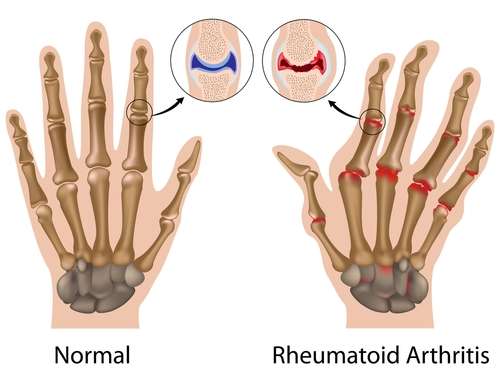
To give you an idea about how many people are affected by arthritis, the disease is the most frequent cause of activity limitations — ahead of heart disease, cancer and diabetes. The more stress and injury you place on your joints, the earlier the onset of arthritis will occur.
Symptoms
Usually, symptoms of arthritis are felt first in the hands or back, parts of the body used on a daily basis.
The symptoms start with limited function of a joint or tightness, and then progress into an aching pain with intermittent stiffness, swelling and redness of the affected joint. Over time, joints can become deformed and muscles will weaken over time.
Treatments
While there is no way to avoid arthritis, you can manage the disease effectively. Treatment begins once a doctor makes the diagnosis. For your joint health, it is very important to seek early treatment once you recognize the symptoms.

Arthritis treatment focuses on relieving symptoms and improving joint function. This is accomplished using:
- Pain medications — Some medications are used simply to help reduce pain, but have no affect on inflammation. Some of these items — like acetaminophen (Tylenol) or herbal remedies — can be purchased over the counter. Some medications can only be prescribed by a doctor, such as tramadol (Ultram, Ryzolt), or narcotics containing oxycodone (Percocet, Oxycontin) or hydrocodone (Vicodin, Lortab). There are many more.
- Nonsteroidal anti-inflammatory drugs (NSAIDs) — NSAIDs reduce both pain and inflammation. Ibuprofen (Advil, Motrin IB, others) and naproxen (Aleve), can be purchased over-the-counter, but the most effective medications will need a doctor's prescription. Keep in mind, NSAIDs can cause stomach irritation, kidney problems, and some may increase your risk of heart attack or stroke
- Counterirritants — Some varieties of creams and ointments contain menthol or capsaicin, the ingredient that makes hot peppers spicy. Rubbing these preparations on the skin over your aching joint may interfere with the transmission of pain signals from the joint itself.
- Corticosteroids — Drugs like prednisone and cortisone work to reduce inflammation and suppress the immune system. Corticosteroids can be taken orally or be injected directly into the affected joint. It is important to note, the more joints are injected with a foreign substance, the more likely scaring and damage will occur.
- Disease-modifying anti-rheumatic drugs (DMARDs) and biologics — These drugs are really the last resort in treating rheumatoid arthritis. DMARDs slow or stop the immune system from attacking joints and the side effects can be overwhelming to the body.
- Physical therapy — Physical therapy can be helpful for some types of arthritis. Exercises can improve the range of motion and strengthen the muscles.
- Surgery —Joint replacement surgery is a procedure that removes the damaged joint and replaces it with an artificial one. Joint fusion is a procedure that removes the ends of the two bones in the joint and then locks those ends together until they heal into one rigid unit.
It is important to understand that many forms of arthritis tend to be more of an annoyance than a serious health issue. I have never witnessed a case in which arthritis has proven fatal. However, there have been instances where an arthritis sufferer has died from the side effects of medication used to control pain and inflammation.
Suzanne Carlile, "Nurse Suzy," has been a nurse since 1982. Her main focus is critical care and nursing education. She holds a master's degree in nursing, is a Certified Emergency Nurse, and a member of NNSDO Intermountain West Chapter.