Estimated read time: 3-4 minutes
This archived news story is available only for your personal, non-commercial use. Information in the story may be outdated or superseded by additional information. Reading or replaying the story in its archived form does not constitute a republication of the story.
SALT LAKE CITY -- As members of The Church of Jesus Christ of Latter-day Saints gather this weekend for General Conference in Salt Lake City they will no doubt hear some discussion regarding the work of family history. On Monday April 2, the morning after conference ends, the 1940 United States Census, closed by law for 72 years, is set to be released. This release has both LDS and non-LDS family historians around the world very excited.
Those who are not diehard genealogists or family historians may not have noticed that the 1940 census is the talk of the town over the past few months. Yet genealogists around the world are going nuts over the April 2nd release.
Due to privacy concerns, U.S. law requires a 72-year waiting period before personal Census data is made public. While information on U.S. demographics is made available shortly after each new Census, American historians wait in anticipation every decade for the latest installment of the personal information of the country's citizens. While the general information made available to the public after each Census provides a glimpse of American life, the detailed Census data paints a more full picture of the country as it was three-quarters of a century ago.
In 1787, the founding fathers of the United States of America mandated that a census be taken every 10 years to count the entire population of the country to direct taxes and state representation.
Live Stream:
Representation and direct Taxes shall be apportioned among the several States which may be included within this Union, according to their respective Numbers…The actual Enumeration shall be made within three Years after the first Meeting of the Congress of the United States, and within every subsequent Term of ten Years, in such Manner as they shall by Law direct.— Article I, Section 2 of the Constitution of the United States
The Census has been taken nationally every 10 years since 1790. The resulting count of the population gives the citizens appropriate political representation. For family history, the census data acts as a snapshot in time.
The data illustrates a snapshot of a family on each census date. Comparing information from several censuses can help piece together a family history.
Census questions have evolved over the years, but generally include name, age, birth place, marital status, spouse’s name, children’s names and ages, occupation, income and more.
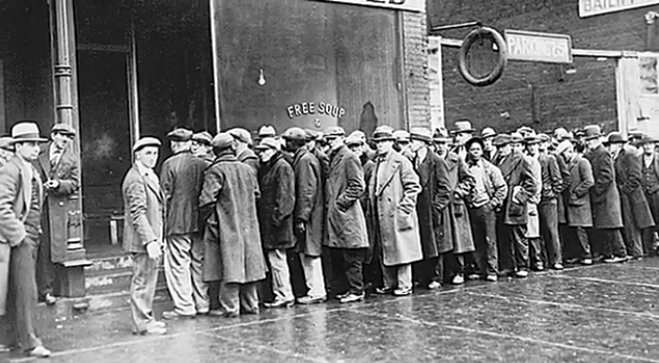
When looking at a family’s history, census records can be an eye-opening experience. Browsing the census records will show such family history events as death, marriage, births, moves and more. These records provide the opportunity to gather the many clues left behind and determine further research as a result.
Start looking in the census, and go backwards in time, from 1940 to 1930 and earlier — decade by decade. A more complete picture of your family will form.
This data will help investigate, tie up loose ends and confirm data. It will also pose new questions for additional research. Armed with the new 1940 information, one can move on to sleuthing cemeteries and other fascinating peeks at other years and cities — clues provided by the 1940 data.
The family history division of the LDS church, FamilySearch, along with many private genealogical research companies, will be posting the census images online. They will also be digitizing the images so that in the near future people from around the world can search the records to further their own family history research.
Mark Olsen is a blogger and a genealogist. Mark is working on his own family history and works at MyHeritage. Like many genealogists Mark will be online early April 2, searching the 1940 census images. Learn more at www.MyHeritage.com/1940census