'%3e%3cpath%20d='M34.1406%205.85938C30.3906%202.10547%2025.3047%200%2020%200C14.6953%200%209.60938%202.10547%205.85938%205.85938C2.10938%209.61328%200%2014.6953%200%2020C0%2025.3047%202.10547%2030.3906%205.85938%2034.1406C9.61328%2037.8906%2014.6953%2040%2020%2040C25.3047%2040%2030.3906%2037.8945%2034.1406%2034.1406C37.8906%2030.3906%2040%2025.3047%2040%2020C40%2014.6953%2037.8945%209.60938%2034.1406%205.85938ZM37.0117%2023.543H31.1602V13.5391H27.6328V19.9414C28.1211%2020.6914%2028.3711%2021.582%2028.3711%2022.5625V22.625C28.3711%2023.668%2028.1172%2024.6055%2027.6328%2025.4297V26.6094H36.082C33.4883%2032.9375%2027.2891%2037.3789%2020.0039%2037.3789C10.3711%2037.3789%202.62109%2029.6289%202.62109%2020C2.62109%2010.3711%2010.3711%202.62109%2020%202.62109C29.6289%202.62109%2037.3789%2010.3711%2037.3789%2020C37.3789%2021.1484%2037.2617%2022.2656%2037.0508%2023.3477C37.0391%2023.4141%2037.0234%2023.4766%2037.0117%2023.543Z'%20fill='white'/%3e%3cpath%20d='M22.3086%2018.5352C20.4336%2018.125%2019.9531%2017.8398%2019.9766%2017.1836V17.1406C19.9766%2016.6992%2020.3477%2016.2148%2021.4023%2016.2148C22.582%2016.2148%2023.8867%2016.6797%2025.0781%2017.4766L26.8516%2015.0195C25.4453%2013.8906%2023.707%2013.3398%2021.5547%2013.3398C18.5195%2013.3398%2016.4375%2015%2016.4063%2017.4766V17.5352C16.3633%2020.2617%2018.5859%2020.9805%2021.293%2021.6016C23.0391%2021.9766%2023.5703%2022.3164%2023.5703%2022.9609L23.5469%2022.9766C23.5469%2023.3906%2023.2578%2023.7031%2022.7852%2023.8359C22.5742%2023.9062%2022.1289%2023.9727%2021.5156%2023.9727C20.7617%2023.9727%2019.7539%2023.8633%2018.6328%2023.4844C18.0898%2023.2891%2017.4727%2023.0039%2016.8047%2022.6133L20.1406%2026.625C20.2813%2026.6602%2021.0977%2026.8516%2021.7734%2026.8516C25.0039%2026.8516%2027.0859%2025.2461%2027.1094%2022.6328V22.5703C27.1602%2020.1133%2025.2148%2019.1719%2022.3086%2018.5352Z'%20fill='white'/%3e%3cpath%20d='M5.24219%2013.5664V26.6133H8.75391V23.7578L10.2969%2021.9531L14.2031%2026.6133H18.3867L12.3555%2019.5195L17.4023%2013.5664H13.4531L8.75391%2019.0586V13.5664H5.24219Z'%20fill='white'/%3e%3c/g%3e%3cdefs%3e%3cclipPath%20id='clip0_97_2430'%3e%3crect%20width='40'%20height='40'%20fill='white'/%3e%3c/clipPath%3e%3c/defs%3e%3c/svg%3e)


Estimated read time: 3-4 minutes
This archived news story is available only for your personal, non-commercial use. Information in the story may be outdated or superseded by additional information. Reading or replaying the story in its archived form does not constitute a republication of the story.
SALT LAKE CITY — Gallbladder problems are relatively common in the United States but can easily go undiagnosed. If you're experiencing severe upper abdominal pain with accompanying digestive problems, chances are it's not all in your head.
What is the gallbladder?
The gallbladder is a small organ that sits beneath the liver. In a healthy person, the organ stores bile and releases it into the intestines to aid the body in digestion.
"Bile helps digest fats, but the gallbladder itself is not essential," a WebMD.com article explains.
Still, many people suffer miserably with the effects of an ineffective gallbladder.
Cholecystitis explained
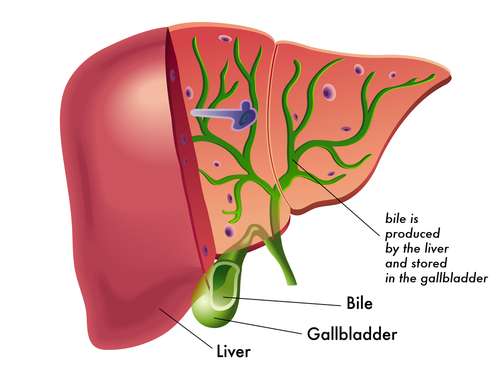
Cholecystitis, as the condition is called, is defined by Dr. Alan A. Bloom as "inflammation of the gallbladder that occurs most commonly because of an obstruction of the cystic duct." Ninety percent of cases involve gallstones blocking cystic duct, Bloom writes, but the condition is very difficult to diagnosis unless the patient has obvious stones.
One of the most common symptoms of cholecystitis is upper abdominal pain, which radiates to your shoulder or straight through to your back. In some cases you may experience fever, tachycardia (rapid heartbeat) and tenderness in the upper right abdomen.
However, the absence of physical findings does not rule out the diagnosis of cholecystitis, Bloom notes. Delays in making the diagnosis of acute cholecystitis result in a higher incidence of complications.
Diagnosing a problem
There are many tests to help diagnosis a bad gallbladder, including ultrasound, HIDA scan or CAT scan. But again, if there are no obvious stones it is hard to really give a diagnosis or find relief. If the fluid in the gallbladder is thick, or the duct to the gallbladder is not working properly, the pain and discomfort is just as intense as if you had stones.
VIDEO:

Gallbladder disease
Want to learn more about gallbladder disease and surgery to remove the gallbladder? Click the link above to view the WebMD video.Signs and symptoms of gallbladder problems (which can be in addition to or independent of the symptoms previously mentioned) include:
- pain that progressively worsens within 30 minutes after eating
- pressure pain that radiates to your right shoulder or back
- diarrhea
- nausea and vomiting
Obesity, maintaining a high-fat diet, or having a family history of gallbladder problems all contribute to a person's probability of sufferning from cholecystitis. Most cases are found in middle-age white females.
Many pregnant women could have gallbladder problems and think it is morning sickness or just severe digestion problems due to pregnancy. It's important to check with your doctor if you have any concerns.
I personally experienced severe gallbladder problems for years. I had many tests done, all of which turned out normal or near normal. The pain was so intense 30 to 40 minutes after I ate, I could not even catch my breath. It would gradually come on and last for hours.
Ask Nurse Suzy

Do you have a question for Nurse Suzy, or maybe a topic you'd like her opinion on? Email her at <a href="mailto:nursesuzyksl@gmail.com">nursesuzyksl@gmail.com</a>.
It got to the point I lost 20 pounds in a week, and I felt like my physicians were not listening to me. Near the end of the ordeal, I thought I had cancer.
Thankfully, I found a doctor who I felt listened to me. He performed exploratory surgery and found peritonitis and a malfunctioning bile duct that was infected. My gallbladder was removed and I was hospitalized for a time, but gradually I got better.
If you delay treatment for gallbladder problems you run a risk of pancreatitis or gangrenous gallbladder, which is deadly. You know your body, listen to what it tells you, and get your gallbladder checked if you are experiencing any of the symptoms described in this article.
Suzanne Carlile, "Nurse Suzy," has been a nurse since 1982. Her main focus is critical care and nursing education. She holds a master's degree in nursing, is a Certified Emergency Nurse, and a member of NNSDO Intermountain West Chapter.