'%3e%3cpath%20d='M34.1406%205.85938C30.3906%202.10547%2025.3047%200%2020%200C14.6953%200%209.60938%202.10547%205.85938%205.85938C2.10938%209.61328%200%2014.6953%200%2020C0%2025.3047%202.10547%2030.3906%205.85938%2034.1406C9.61328%2037.8906%2014.6953%2040%2020%2040C25.3047%2040%2030.3906%2037.8945%2034.1406%2034.1406C37.8906%2030.3906%2040%2025.3047%2040%2020C40%2014.6953%2037.8945%209.60938%2034.1406%205.85938ZM37.0117%2023.543H31.1602V13.5391H27.6328V19.9414C28.1211%2020.6914%2028.3711%2021.582%2028.3711%2022.5625V22.625C28.3711%2023.668%2028.1172%2024.6055%2027.6328%2025.4297V26.6094H36.082C33.4883%2032.9375%2027.2891%2037.3789%2020.0039%2037.3789C10.3711%2037.3789%202.62109%2029.6289%202.62109%2020C2.62109%2010.3711%2010.3711%202.62109%2020%202.62109C29.6289%202.62109%2037.3789%2010.3711%2037.3789%2020C37.3789%2021.1484%2037.2617%2022.2656%2037.0508%2023.3477C37.0391%2023.4141%2037.0234%2023.4766%2037.0117%2023.543Z'%20fill='white'/%3e%3cpath%20d='M22.3086%2018.5352C20.4336%2018.125%2019.9531%2017.8398%2019.9766%2017.1836V17.1406C19.9766%2016.6992%2020.3477%2016.2148%2021.4023%2016.2148C22.582%2016.2148%2023.8867%2016.6797%2025.0781%2017.4766L26.8516%2015.0195C25.4453%2013.8906%2023.707%2013.3398%2021.5547%2013.3398C18.5195%2013.3398%2016.4375%2015%2016.4063%2017.4766V17.5352C16.3633%2020.2617%2018.5859%2020.9805%2021.293%2021.6016C23.0391%2021.9766%2023.5703%2022.3164%2023.5703%2022.9609L23.5469%2022.9766C23.5469%2023.3906%2023.2578%2023.7031%2022.7852%2023.8359C22.5742%2023.9062%2022.1289%2023.9727%2021.5156%2023.9727C20.7617%2023.9727%2019.7539%2023.8633%2018.6328%2023.4844C18.0898%2023.2891%2017.4727%2023.0039%2016.8047%2022.6133L20.1406%2026.625C20.2813%2026.6602%2021.0977%2026.8516%2021.7734%2026.8516C25.0039%2026.8516%2027.0859%2025.2461%2027.1094%2022.6328V22.5703C27.1602%2020.1133%2025.2148%2019.1719%2022.3086%2018.5352Z'%20fill='white'/%3e%3cpath%20d='M5.24219%2013.5664V26.6133H8.75391V23.7578L10.2969%2021.9531L14.2031%2026.6133H18.3867L12.3555%2019.5195L17.4023%2013.5664H13.4531L8.75391%2019.0586V13.5664H5.24219Z'%20fill='white'/%3e%3c/g%3e%3cdefs%3e%3cclipPath%20id='clip0_97_2430'%3e%3crect%20width='40'%20height='40'%20fill='white'/%3e%3c/clipPath%3e%3c/defs%3e%3c/svg%3e)


Estimated read time: 4-5 minutes
This archived news story is available only for your personal, non-commercial use. Information in the story may be outdated or superseded by additional information. Reading or replaying the story in its archived form does not constitute a republication of the story.
SALT LAKE CITY -- A national organization is trying a new way to promote organ donation, but some are saying it will not work.
LifeSharers, a Tennessee-based non-profit organization, is building a nationwide network of organ donors who agree to give their organs, upon death, first to fellow members of the group.
Dave Undis founded the organization in 2002 to try to influence more people to become organ donors. It has since grown more than 14,800 members, 69 of whom live in Utah.
"I kept reading stories about people dying, waiting for organ transplants," he said. "I was amazed at how many people are unwilling to donate. What would happen if you had to be an organ donor in order to get a transplant?"
Jared Balis, a Salt Lake City insurance agent, said joining the group was the natural next step after becoming a donor.
"If another person is willing to give as much as you are, they should have access to organs," he said. "It's just one extra way to help protect someone who would be willing to give you one."
- Heart: 44
- Kidney: 345
- Kidney/Pancreas: 13
- Liver: 158
- Lung: 6
- Pancreas: 5
LifeSharers members can carry a donor card with their driver licenses expressing their wish that their organs be donated first to LifeSharers members, unless there is no suitable match.
"Half of the organs transplanted in the country go to people who haven't agreed to donate," Undis said. "We need to create an incentive for people to donate their organs."
The idea is an interesting one, but cannot work logistically in its present form, according to Dixie Madsen, an Intermountain Donor Services spokeswoman.
"Organ donation services do not have the LifeSharers membership in their databases," she said. "Without that, there is no way of knowing who is a member. It would be up to the national registry to determine whether to add that information."
Intermountain Donor Services uses a national organ- matching registry to identify potential donor matches in Utah. If there are are no matches in Utah, IDS looks for potential recipients in neighboring states, regardless of group membership.
Undis said people who have reacted negatively to the organization typically have felt those who have the greatest need should get organs regardless of their membership. He believes, however, that the current system is too localized for that to work.
"It's an interesting theory, but that's not how the system works now," he said. "The system is failing the people who need it the most."
If another person is willing to give as much as you are, they should have access to organs.
–Jared Balis
He said the change from localized to group-based donation is feasible because organs are routinely transported long distances for transplants.
Madsen warned, however, that only certain types of organs are viable for long enough to transport across the country. Kidneys, for example, are viable for up to 24 hours; hearts and lungs, 4 - 6 hours.
People should always be thinking about sharing the importance of organ donation, according to Madsen.
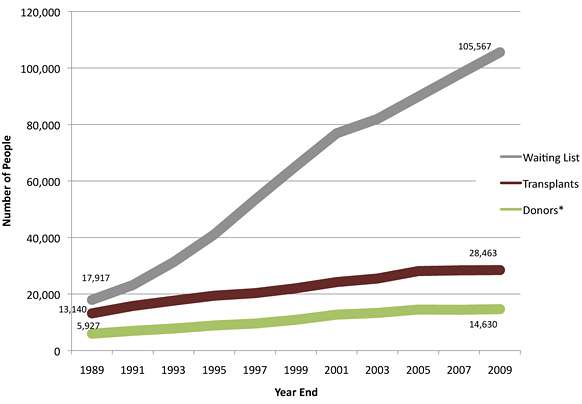
"There are more people who need transplants than there are organs available," she said. "We need to continue to push people to consider organ donation."
West Jordan resident and LifeSharers member Brodie Mowers thinks one way to solve that problem would be to make organ sales legal.
"I think it would result in more lives being saved because right now, people won't freely donate their organs," he said. "With a financial incentive, it seems to me a lot more people would donate."
Organ sales are illegal in most developed countries, including the United States.
"If our bodies are really our bodies, and not the government's, how can we not have the right to sell our own body parts?" Mowers added.
He said he joined LifeSharers because of the illegality of organ sales.
"People not being allowed to sell their organs results in unnecessary loss of life," he said. "If people were allowed to sell their organs, we would see a lot more lives saved."
People should focus on saving lives by encouraging others to donate, according to Madsen.
"Our numbers have increased a little bit each year," she said. "But we always encourage people to register."
In Utah, 67 percent of licensed drivers have registered to be organ donors. Nationwide, that number is 42 percent.
Madsen does not think the LifeSharers program will cause a large amount of people who are not already registered as donors to consider it.
"People are more motivated by seeing the needs of others than by the fear that they'll need an organ themselves," she said.
"Most of us like to think, ‘That's not going to happen to me.'"