Estimated read time: 2-3 minutes
This archived news story is available only for your personal, non-commercial use. Information in the story may be outdated or superseded by additional information. Reading or replaying the story in its archived form does not constitute a republication of the story.
SALT LAKE CITY -- The Dow plunged 634 points on its first day since the Standard and Poors downgraded the American credit rating, which is the biggest one-day drop since December 2008. But if there is a glimmer of good news, it is that Utah's economy appears to be relatively unaffected at this point.
But concerns about the stock market are a different story.
What's going on is hurting the country. This downgrade hurts the prestige, the financial integrity of the country.
–Jeff Thredgold
The stock market plunge was significant, but the consequences are still unknown. However, investment experts said it was expected and predicted, but nonetheless unsettling.
"What's going on is hurting the country," said Chief Economist Jeff Thredgold of Zions Bank. "This downgrade hurts the prestige, the financial integrity of the country."
Reactions include skyrocketing gold prices, which reached $1,700 an ounce for the first time in history. Also, there have been counterintuitive reactions in borrowing rates, which dropped, and a flooded bond market, as people look for safe places to put their money.
But watching the stock market fall, while the debt situation is still unresolved, has a lot of people wondering, "What's it mean for me, in the short and long term"?
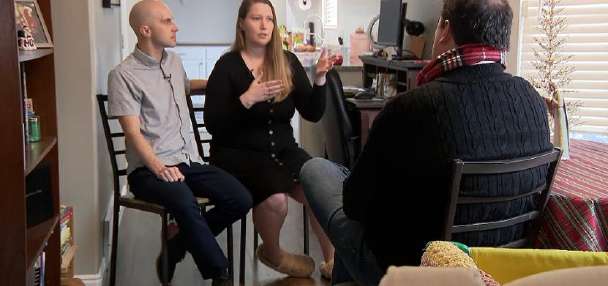
Financial planners like Jeff Solomon of Edward Jones Investments are getting lots of calls about it. His advice: Pay attention, but stick it out.
- Higher Interest rates
- Slow Economy/Possible recession
- Higher unemployment/inflation
"I think they need to keep perspective in a time like this, especially the long-term investors need to keep their heads because the market is already decreasing," he said.
Beyond the short term, experts say the S&P downgrade will affect government interest rates, as well as the interest rates you pay, which could mean higher mortgages and student loan rates. Additionally, higher costs for everything could mean an economic slowdown and a risk for a double-dip recession.
On the stock market, big sell-offs could result in even higher unemployment and inflation, which has investors in Utah and around the country watching very carefully.
Email: rpiatt@ksl.com