'%3e%3cpath%20d='M34.1406%205.85938C30.3906%202.10547%2025.3047%200%2020%200C14.6953%200%209.60938%202.10547%205.85938%205.85938C2.10938%209.61328%200%2014.6953%200%2020C0%2025.3047%202.10547%2030.3906%205.85938%2034.1406C9.61328%2037.8906%2014.6953%2040%2020%2040C25.3047%2040%2030.3906%2037.8945%2034.1406%2034.1406C37.8906%2030.3906%2040%2025.3047%2040%2020C40%2014.6953%2037.8945%209.60938%2034.1406%205.85938ZM37.0117%2023.543H31.1602V13.5391H27.6328V19.9414C28.1211%2020.6914%2028.3711%2021.582%2028.3711%2022.5625V22.625C28.3711%2023.668%2028.1172%2024.6055%2027.6328%2025.4297V26.6094H36.082C33.4883%2032.9375%2027.2891%2037.3789%2020.0039%2037.3789C10.3711%2037.3789%202.62109%2029.6289%202.62109%2020C2.62109%2010.3711%2010.3711%202.62109%2020%202.62109C29.6289%202.62109%2037.3789%2010.3711%2037.3789%2020C37.3789%2021.1484%2037.2617%2022.2656%2037.0508%2023.3477C37.0391%2023.4141%2037.0234%2023.4766%2037.0117%2023.543Z'%20fill='white'/%3e%3cpath%20d='M22.3086%2018.5352C20.4336%2018.125%2019.9531%2017.8398%2019.9766%2017.1836V17.1406C19.9766%2016.6992%2020.3477%2016.2148%2021.4023%2016.2148C22.582%2016.2148%2023.8867%2016.6797%2025.0781%2017.4766L26.8516%2015.0195C25.4453%2013.8906%2023.707%2013.3398%2021.5547%2013.3398C18.5195%2013.3398%2016.4375%2015%2016.4063%2017.4766V17.5352C16.3633%2020.2617%2018.5859%2020.9805%2021.293%2021.6016C23.0391%2021.9766%2023.5703%2022.3164%2023.5703%2022.9609L23.5469%2022.9766C23.5469%2023.3906%2023.2578%2023.7031%2022.7852%2023.8359C22.5742%2023.9062%2022.1289%2023.9727%2021.5156%2023.9727C20.7617%2023.9727%2019.7539%2023.8633%2018.6328%2023.4844C18.0898%2023.2891%2017.4727%2023.0039%2016.8047%2022.6133L20.1406%2026.625C20.2813%2026.6602%2021.0977%2026.8516%2021.7734%2026.8516C25.0039%2026.8516%2027.0859%2025.2461%2027.1094%2022.6328V22.5703C27.1602%2020.1133%2025.2148%2019.1719%2022.3086%2018.5352Z'%20fill='white'/%3e%3cpath%20d='M5.24219%2013.5664V26.6133H8.75391V23.7578L10.2969%2021.9531L14.2031%2026.6133H18.3867L12.3555%2019.5195L17.4023%2013.5664H13.4531L8.75391%2019.0586V13.5664H5.24219Z'%20fill='white'/%3e%3c/g%3e%3cdefs%3e%3cclipPath%20id='clip0_97_2430'%3e%3crect%20width='40'%20height='40'%20fill='white'/%3e%3c/clipPath%3e%3c/defs%3e%3c/svg%3e)



- Utah leaders united to create the Pioneer Trail preserving Salt Lake City's values.
- The trail will connect historic sites in preparation for major upcoming global events.
- Ryan Beck leads the project to highlight Utah's unique pioneer spirit and cultural history.
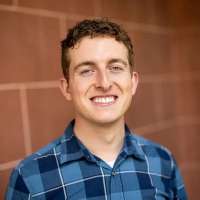
SALT LAKE CITY — Paul Gu, the Silicon Valley founder of a $3 billion AI lending company, pored over his spreadsheet.
The rows and columns weren't filled with financial statistics, they were dedicated to calculating which was the best state in the nation to plant his newly formed family. And there was only one clear winner.
"If you looked for the intersection of places that had both a high rate of economic growth and were high on family and community values, you end up with basically just Utah," Gu told the Deseret News.
This combination of economic outlook and family orientation was unique in the "developed world," Gu said. So he and his wife decided to move to a place where they didn't know a single person: Alpine, Utah.
Gu has since become an unabashed ambassador of the state and a member of a project he hopes will help it be "bold and up front" about what sets it apart so it attracts exactly those people who want to add to it.
The latest startup proposal Gu is a part of, which intends to do just that, has quickly captured the attention of the state's top elected officials.
Utah leaders from across the political spectrum have united this year to create the Pioneer Trail, which aims to keep Salt Lake City rooted in the state's unique pioneer values as it prepares to welcome the world again.
Around 5 million people are expected to attend the six-month Salt Lake Temple open house in 2027. That's about 28,000 visitors per day. The 2034 Winter Olympics are anticipated to have more than 122,000 daily visitors.
In March, top legislators prioritized $10 million, doubling the amount requested by Utah Gov. Spencer Cox, to build Phase I of the Pioneer Trail, a new landmark to be partially completed by the start of the open house next April.
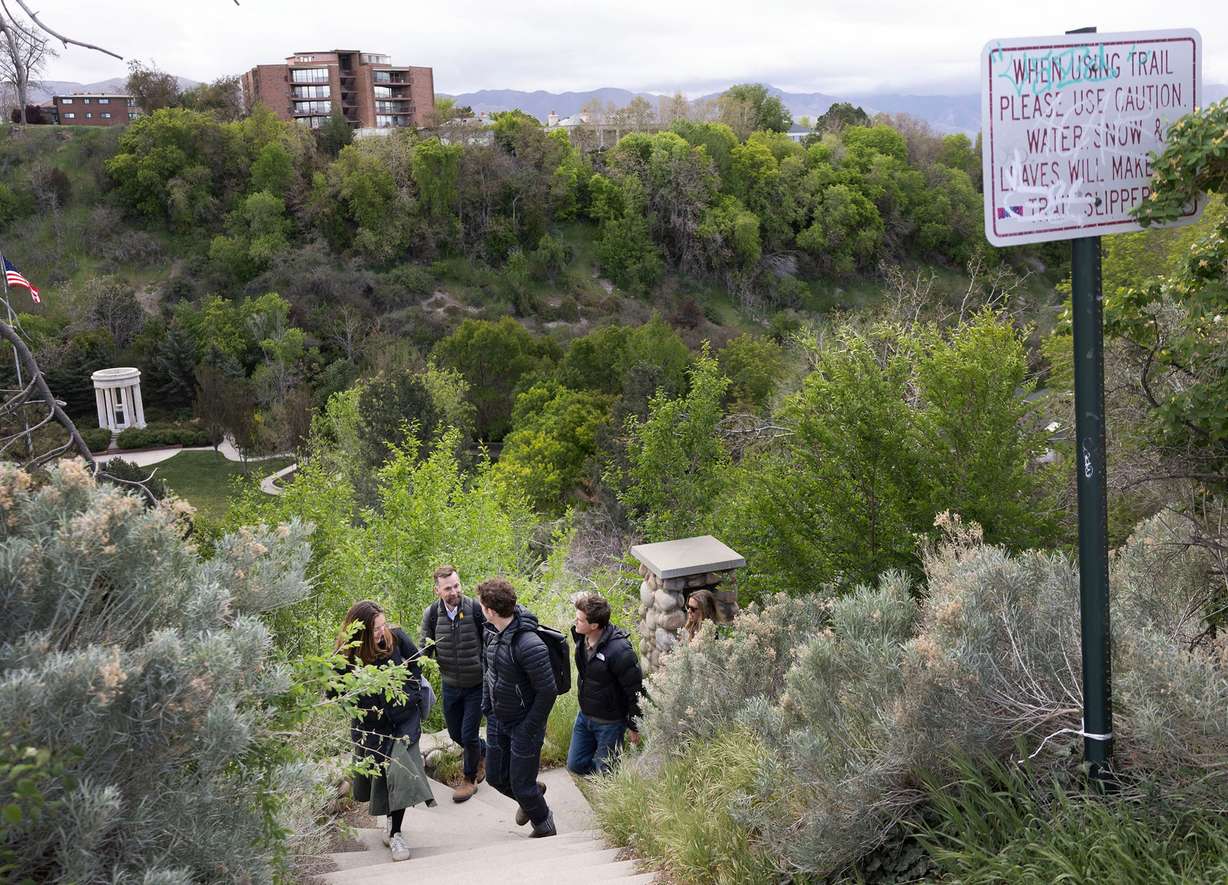
The 2-mile path will connect key pillars of state history, from Temple Square to the Utah Capitol, with trail markers, public monuments, increased access to historic buildings and a remodeled Memory Grove Park.
Essential to the plan is the concept of preserving Utah, and Salt Lake City's story while inviting others to participate in it.
"We've invested billions of dollars ... in the commercial core of this city over the last five years, and we're asking for tens of millions of dollars for the cultural soul of the city," Pioneer Trail Foundation chairman Ryan Beck said.
Just as the upcoming Winter Olympics has been a catalyst for revitalizing Utah's capital, the Pioneer Trail is being used as an opportunity to tie together several city and state initiatives to tell one cohesive narrative.
It is a chronicle that covers settlement by early Latter-day Saints; contributions from Native Americans, the mining industry and outdoor adventurers; and explosive growth driven by a thriving technology ecosystem.
Those behind the trail seek to capture what makes Utah peculiar with a word that binds all Utahns together: pioneer.
Why a trail?
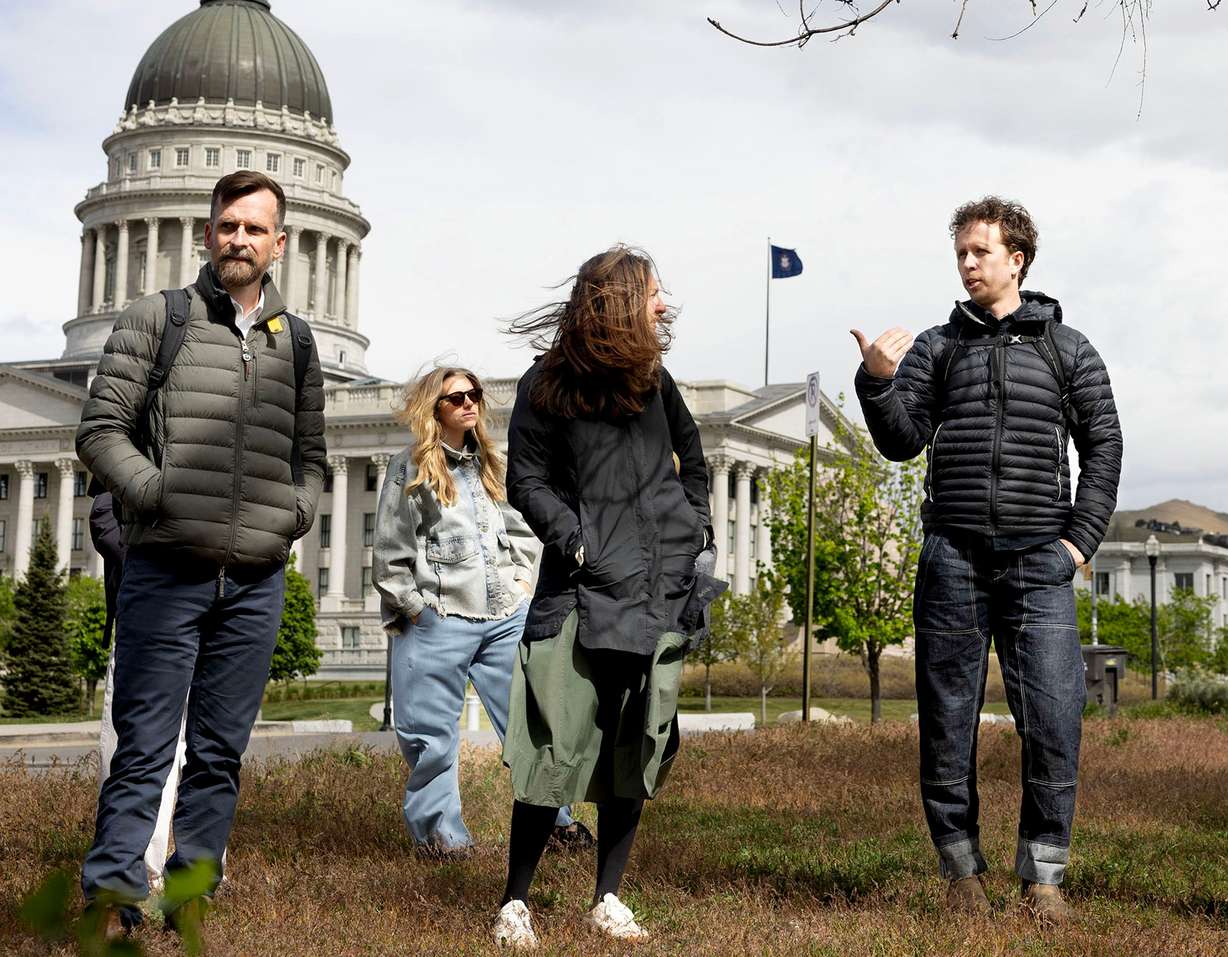
Beck moved from Bountiful to Boston after graduating from Brigham Young University to launch a career in business. When he returned to his native Utah during the COVID-19 pandemic, he said it was like seeing the state for the first time.
"I didn't realize what I had, and didn't realize what this place was," Beck told the Deseret News. "And so much of what is good about the state is downstream from that history and our cultural values."
Beck began talking with friends about a project modeled after Boston's world-famous Freedom Trail, which takes tourists on a 2-mile journey past more than a dozen revolutionary icons, but with a Beehive State spin.
Beck's group of founders had seen how fast-growing areas, like Portland and San Francisco, had let economic booms unmoor them from what made them great places to move, start a company and form a family in the first place.
What Utah needed was an accessible cultural anchor helping people from different backgrounds to see what the state was all about. Beck presented his idea to top policymakers in May 2025. A year later, he is ready to break ground.
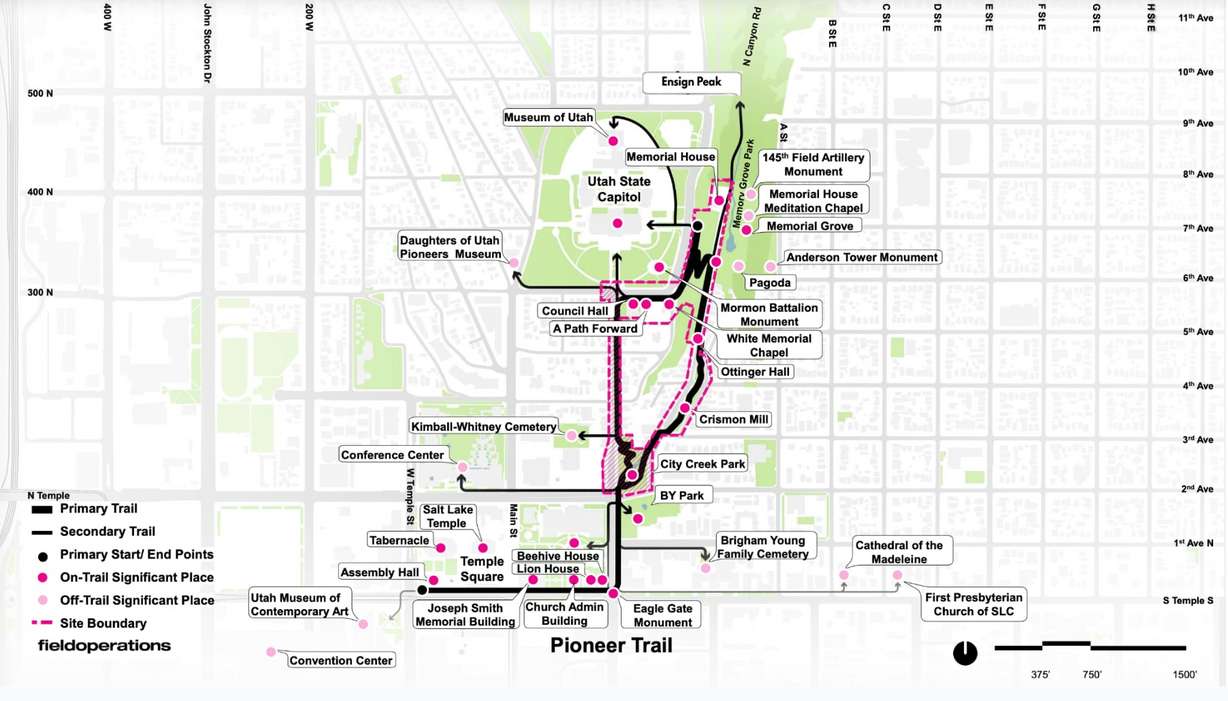
The trail — demarcated by cement plaques from O.C. Tanner and maybe a copper line donated by Kennecott mine — will run past Temple Square along South Temple before turning north up State Street toward the Capitol.
An offshoot will take visitors to Brigham Young's pioneer cemetery, the Cathedral of the Madeleine and the First Presbyterian Church, while the main line will proceed to the Capitol building, including the brand new Museum of Utah.
This first stage of the project will hopefully be unveiled to coincide with the temple open house, Beck said.