'%3e%3cpath%20d='M34.1406%205.85938C30.3906%202.10547%2025.3047%200%2020%200C14.6953%200%209.60938%202.10547%205.85938%205.85938C2.10938%209.61328%200%2014.6953%200%2020C0%2025.3047%202.10547%2030.3906%205.85938%2034.1406C9.61328%2037.8906%2014.6953%2040%2020%2040C25.3047%2040%2030.3906%2037.8945%2034.1406%2034.1406C37.8906%2030.3906%2040%2025.3047%2040%2020C40%2014.6953%2037.8945%209.60938%2034.1406%205.85938ZM37.0117%2023.543H31.1602V13.5391H27.6328V19.9414C28.1211%2020.6914%2028.3711%2021.582%2028.3711%2022.5625V22.625C28.3711%2023.668%2028.1172%2024.6055%2027.6328%2025.4297V26.6094H36.082C33.4883%2032.9375%2027.2891%2037.3789%2020.0039%2037.3789C10.3711%2037.3789%202.62109%2029.6289%202.62109%2020C2.62109%2010.3711%2010.3711%202.62109%2020%202.62109C29.6289%202.62109%2037.3789%2010.3711%2037.3789%2020C37.3789%2021.1484%2037.2617%2022.2656%2037.0508%2023.3477C37.0391%2023.4141%2037.0234%2023.4766%2037.0117%2023.543Z'%20fill='white'/%3e%3cpath%20d='M22.3086%2018.5352C20.4336%2018.125%2019.9531%2017.8398%2019.9766%2017.1836V17.1406C19.9766%2016.6992%2020.3477%2016.2148%2021.4023%2016.2148C22.582%2016.2148%2023.8867%2016.6797%2025.0781%2017.4766L26.8516%2015.0195C25.4453%2013.8906%2023.707%2013.3398%2021.5547%2013.3398C18.5195%2013.3398%2016.4375%2015%2016.4063%2017.4766V17.5352C16.3633%2020.2617%2018.5859%2020.9805%2021.293%2021.6016C23.0391%2021.9766%2023.5703%2022.3164%2023.5703%2022.9609L23.5469%2022.9766C23.5469%2023.3906%2023.2578%2023.7031%2022.7852%2023.8359C22.5742%2023.9062%2022.1289%2023.9727%2021.5156%2023.9727C20.7617%2023.9727%2019.7539%2023.8633%2018.6328%2023.4844C18.0898%2023.2891%2017.4727%2023.0039%2016.8047%2022.6133L20.1406%2026.625C20.2813%2026.6602%2021.0977%2026.8516%2021.7734%2026.8516C25.0039%2026.8516%2027.0859%2025.2461%2027.1094%2022.6328V22.5703C27.1602%2020.1133%2025.2148%2019.1719%2022.3086%2018.5352Z'%20fill='white'/%3e%3cpath%20d='M5.24219%2013.5664V26.6133H8.75391V23.7578L10.2969%2021.9531L14.2031%2026.6133H18.3867L12.3555%2019.5195L17.4023%2013.5664H13.4531L8.75391%2019.0586V13.5664H5.24219Z'%20fill='white'/%3e%3c/g%3e%3cdefs%3e%3cclipPath%20id='clip0_97_2430'%3e%3crect%20width='40'%20height='40'%20fill='white'/%3e%3c/clipPath%3e%3c/defs%3e%3c/svg%3e)


Estimated read time: 4-5 minutes
This archived news story is available only for your personal, non-commercial use. Information in the story may be outdated or superseded by additional information. Reading or replaying the story in its archived form does not constitute a republication of the story.
SALT LAKE CITY — Some of the newest data reveals that the nursing shortage in Utah is the worst in the U.S. The number of registered nurses in each state is updated daily by the National Council of State Boards of Nursing. The analysis, conducted by a Florida law firm on Wednesday found that only one nurse is available for about every 75 people in Utah.
Related: As AI nurses reshape hospital care, human nurses are pushing back
On the opposite end of the scale, Hawaii’s nurses handle less than half that — about 34 people per nurse. The study mapped out states based on the number of nurses per 100,000 people. In the top ten worst-staffed states the data showed about 60 people per nurse or higher.
- Utah — 1,340 nurses per 100,000 people
- Washington — 1,462 nurses per 100,000 people
- Georgia — 1,533 nurses per 100,00 people
- Wyoming — 1,543 nurses per 100,00 people
- Maryland — 1,615 nurses per 100,00 people
- Colorado — 1,637 nurses per 100,00 people
- Texas — 1,667 nurses per 100,00 people
- North Carolina — 1,675 nurses per 100,00 people
- Virginia — 1,677 nurses per 100,00 people
- Arizona — 1,686 nurses per 100,00 people
A spokesperson with the law firm said the number of Utah's nurses per 100,000 people was 55% lower than Hawaii, and 35% lower than the national average. Across the United States the average number of nurses per 100,000 people is 2,057.
Pay scale
According to Utah Tech University’s nursing department chair, Dr. Judy Scott, the nursing shortage is a national problem. But it is exacerbated in Utah because neighboring states lure nursing students away with better pay. “The pay scale is not great here in Utah, and so a lot of our students, when we get them through the school, go to other states close by where they could make a better living wage,” she said. Students in Utah have seen the cost of living go up, but haven’t seen any pay changes that would encourage them to stay, Scott said. In a 2022 nursing shortage report published by Gov. Spencer Cox’s Office of Economic Opportunity, data showed a sharp fall after the pandemic. That study estimated that, at that time, about one in five nurses were soon to retire. In their reasoning for the shortage in Utah, the report authors cited the results of a COVID-19 Impact Assessment Survey and ultimately concluded that stress was the reason for the shortage. “Fifty-two percent of nurses are considering leaving their current position due primarily to insufficient staffing, work negatively affecting health and well-being, and inability to delivery quality care,” the report authors stated.
Utah-specific reasons for a nursing shortage
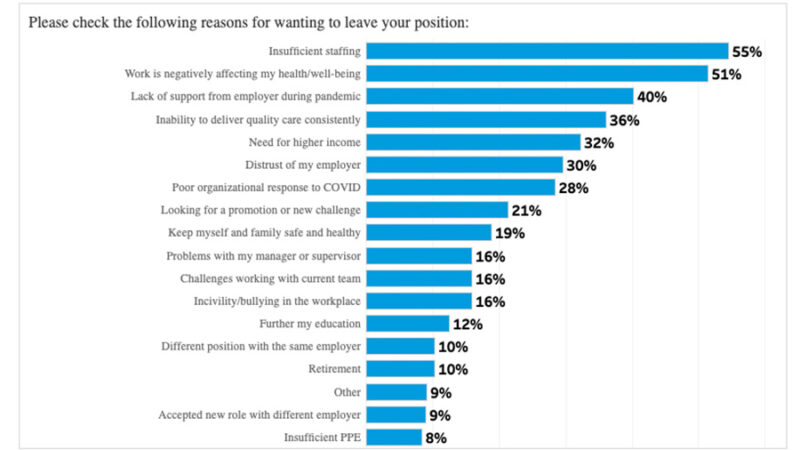
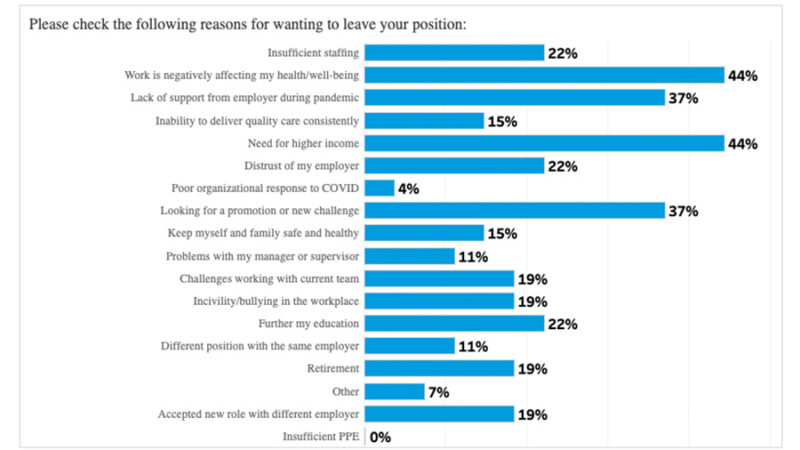
While the statement might have been true for the U.S. study as a whole, it failed to acknowledge the reasons in which Utahns stated they were considering leaving — a tie between work negatively affecting their health and a need for higher income.According to data collected by Indeed, in 2025, the average pay for a registered nurse in Utah is just over $78,000 per year, which Indeed said was 16% below the national average. Colorado’s annual pay scale was about $13,000 higher than Utah's, with an average salary of nearly $92,000. In Washington — a state that scored just below Utah in the latest nursing shortage results — the yearly salary was even higher, at about $105,000 on average.
Other factors impacting Utah's nursing shortage
Scott echoed the governor’s 2022 report when it came to nurses in Utah who were seeking retirement (the 2022 report stated nearly one in five nurses were approaching retirement at the time.) According to Scott, the 2022 estimate came true. There were a large number of nurses who retired after the pandemic. Scott also echoed the sentiment that stress could still be a factor for nurses, especially new ones. “They go from being someone in school to ‘OK, now you have to do everything,’ and so, sometimes that’s a bit of a shock,” she said. Scott’s suggestion for solving the nursing shortage is twofold. First, fix the pay scale in the state, she said. And second, Scott suggested mentoring programs to help nursing students ease into their program and ultimately reduce their stress.

Most recent Utah stories
Related topics
 Mary Culbertson