- Ogden residents faced repair costs after a water main broke in a dissolved HOA.
- Homeowners, unaware of the HOA, had to pay for repairs themselves.
- Utah HOA Ombudsman warns residents about potential HOA dissolutions and infrastructure responsibilities.
OGDEN — Most new homes in Utah are built in communities with homeowner associations. But what happens if an HOA simply goes away?
In one Ogden neighborhood, a broken water main left residents without water and, worse, no clear way to pay for the fix.
In this neighborhood, the water main break meant more than just water rising to the surface. An unknown problem also arose, at least it was unknown to homeowner Wesley Steed.
"It's been out for almost four days now," Steed said.
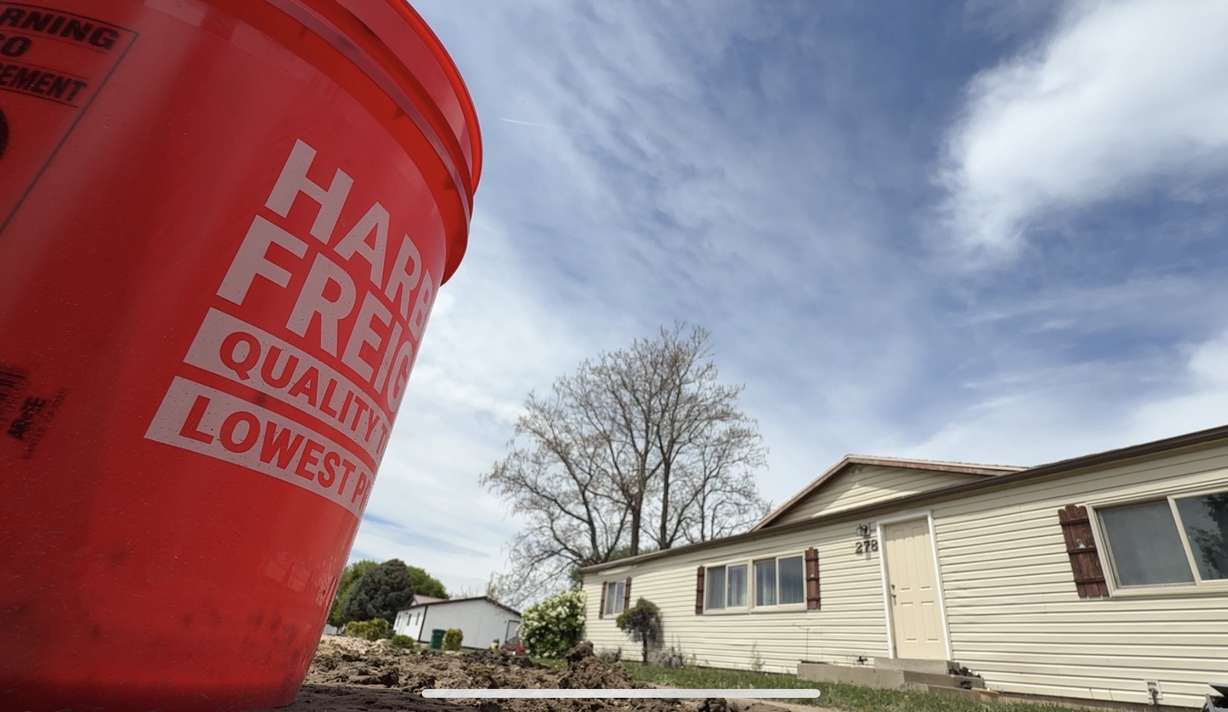
Steed did what one does when a water line breaks: He called the water people. In this case, that was the city of Ogden, where he pays his water bill. The city shut off the water. But city officials told him they would not repair the pipe.
"According to the city, we are all on privately owned roads and water pipes. They stated that we were under an HOA," Steed said.
A homeowners' association?
That was news to Steed. When he bought his home, he said nobody mentioned an HOA.
"Have you ever paid an HOA fee?" KSL asked.
"No HOA fees because there is no HOA," Steed said. No fees means no reserve fund for maintenance. And no HOA means no clear mechanism to get the pipe fixed.
The chaos of it all was accentuated when KSL walked around the corner and a neighbor, whom Steed had never before met, came up to ask what we were doing.
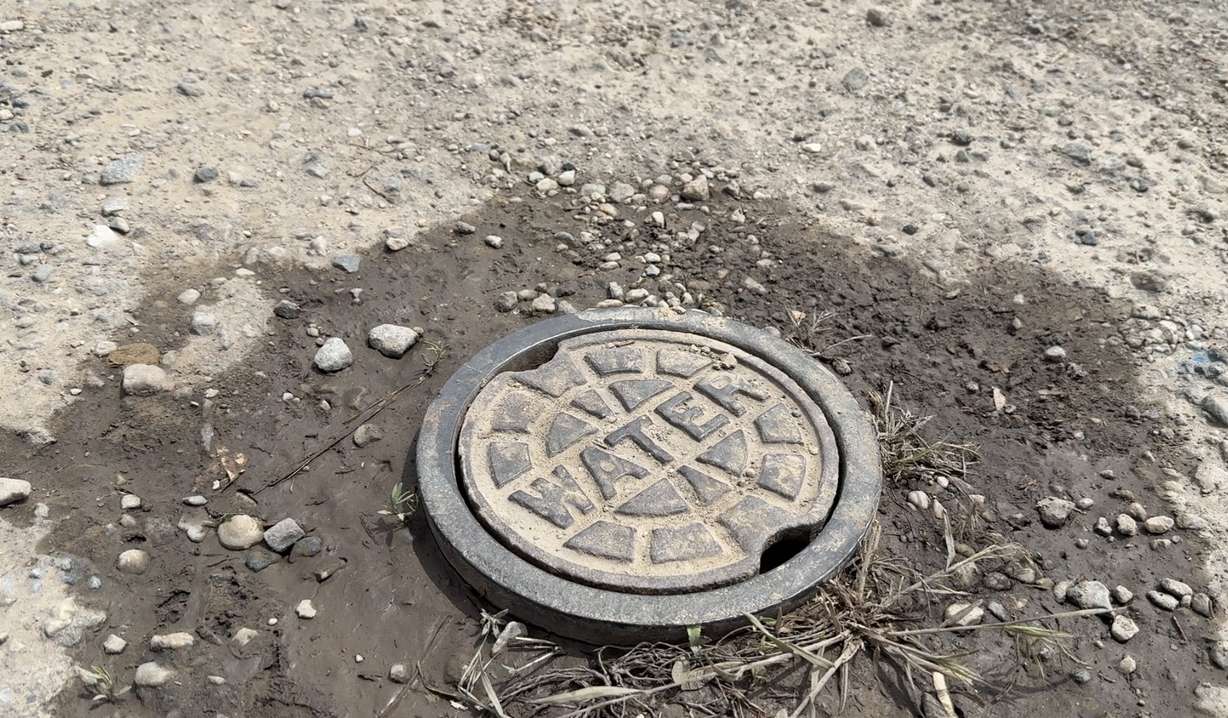
"I'm a reporter at Channel 5, and I hear you guys are without water," KSL said.
"Well, not after we just paid to fix it ourselves," said neighbor Krystal Bise.
"You did?" KSL asked.
"We just paid to fix it ourselves," Bise said.
Bise said she got the same answers from Ogden city as Steed.
"We were informed this is a dissolved HOA. No one is informed when they move in," Bise said. She and her family did not know what to do, so they just took care of it.
"We rented the equipment as homeowners. We dug it up ourselves. Had a plumber come out, do the repair," Bise said.
Can that really be how it works — neighbors are suddenly responsible for community infrastructure they did not know they owned?
Yes, and it happens more often than some homeowners might think, according to Utah HOA Ombudsman Erin Rider.
"Without the structure, it gets really complicated, really fast," she said. While it does not happen often, Rider said it is something Utahns need to be aware of, especially with about 80% of new homes now being built in HOA communities.
There is no guarantee an HOA will stick around, Rider said.
"You can have the HOA go defunct. And just kind of stop operating," she said.
There is a better way, a more formal process to dissolve an HOA, but Rider said it is complicated and can be expensive, so it does not happen often. But no matter which way an HOA goes away, that does not mean things like roads, parks, pools or private water lines suddenly become the city's responsibility.
"That doesn't just default to the city. You have to negotiate with the city or county to actually have them take it over," Rider said.
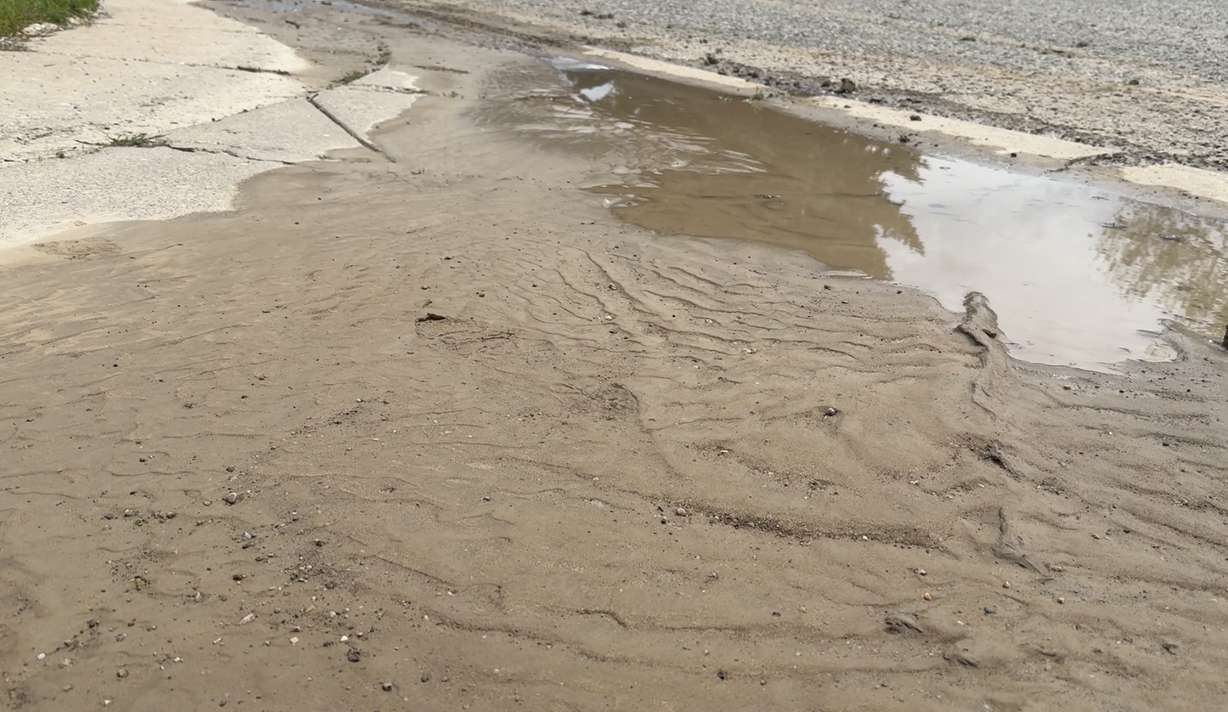
Ogden officials said that did not happen in this neighborhood.
Yes, the city provides some services to the neighborhood, including trash and water. But city officials sent the KSL Investigators a plat map and other records showing that the water line and the road on top of it remain the homeowners' responsibility.
A city spokesperson said that it should have been disclosed to people in the neighborhood when they bought their homes.
The spokesperson wrote that had it come to that, the city might have stepped in to repair the line, but it would have sent the bill to the residents.
As for the future of the infrastructure, Ogden said, "If a community wanted to enter an agreement with the city to convey these streets and infrastructure to the city, this scenario would likely require significant investment by the owners in order to bring the streets and infrastructure to a standard that the city would accept."
For the people living there, the immediate need was simpler.
"We had to have water," Bise said.
The water is back on in the Ogden neighborhood thanks to one person stepping up. Now comes the awkward part: knocking on doors.
Bise said she will have to ask her neighbors, "Can you help us out?"
When asked what happens if her neighbors say they cannot help, Bise said, "Then I'm stuck paying the bill."