'%3e%3cpath%20d='M34.1406%205.85938C30.3906%202.10547%2025.3047%200%2020%200C14.6953%200%209.60938%202.10547%205.85938%205.85938C2.10938%209.61328%200%2014.6953%200%2020C0%2025.3047%202.10547%2030.3906%205.85938%2034.1406C9.61328%2037.8906%2014.6953%2040%2020%2040C25.3047%2040%2030.3906%2037.8945%2034.1406%2034.1406C37.8906%2030.3906%2040%2025.3047%2040%2020C40%2014.6953%2037.8945%209.60938%2034.1406%205.85938ZM37.0117%2023.543H31.1602V13.5391H27.6328V19.9414C28.1211%2020.6914%2028.3711%2021.582%2028.3711%2022.5625V22.625C28.3711%2023.668%2028.1172%2024.6055%2027.6328%2025.4297V26.6094H36.082C33.4883%2032.9375%2027.2891%2037.3789%2020.0039%2037.3789C10.3711%2037.3789%202.62109%2029.6289%202.62109%2020C2.62109%2010.3711%2010.3711%202.62109%2020%202.62109C29.6289%202.62109%2037.3789%2010.3711%2037.3789%2020C37.3789%2021.1484%2037.2617%2022.2656%2037.0508%2023.3477C37.0391%2023.4141%2037.0234%2023.4766%2037.0117%2023.543Z'%20fill='white'/%3e%3cpath%20d='M22.3086%2018.5352C20.4336%2018.125%2019.9531%2017.8398%2019.9766%2017.1836V17.1406C19.9766%2016.6992%2020.3477%2016.2148%2021.4023%2016.2148C22.582%2016.2148%2023.8867%2016.6797%2025.0781%2017.4766L26.8516%2015.0195C25.4453%2013.8906%2023.707%2013.3398%2021.5547%2013.3398C18.5195%2013.3398%2016.4375%2015%2016.4063%2017.4766V17.5352C16.3633%2020.2617%2018.5859%2020.9805%2021.293%2021.6016C23.0391%2021.9766%2023.5703%2022.3164%2023.5703%2022.9609L23.5469%2022.9766C23.5469%2023.3906%2023.2578%2023.7031%2022.7852%2023.8359C22.5742%2023.9062%2022.1289%2023.9727%2021.5156%2023.9727C20.7617%2023.9727%2019.7539%2023.8633%2018.6328%2023.4844C18.0898%2023.2891%2017.4727%2023.0039%2016.8047%2022.6133L20.1406%2026.625C20.2813%2026.6602%2021.0977%2026.8516%2021.7734%2026.8516C25.0039%2026.8516%2027.0859%2025.2461%2027.1094%2022.6328V22.5703C27.1602%2020.1133%2025.2148%2019.1719%2022.3086%2018.5352Z'%20fill='white'/%3e%3cpath%20d='M5.24219%2013.5664V26.6133H8.75391V23.7578L10.2969%2021.9531L14.2031%2026.6133H18.3867L12.3555%2019.5195L17.4023%2013.5664H13.4531L8.75391%2019.0586V13.5664H5.24219Z'%20fill='white'/%3e%3c/g%3e%3cdefs%3e%3cclipPath%20id='clip0_97_2430'%3e%3crect%20width='40'%20height='40'%20fill='white'/%3e%3c/clipPath%3e%3c/defs%3e%3c/svg%3e)


Estimated read time: 5-6 minutes
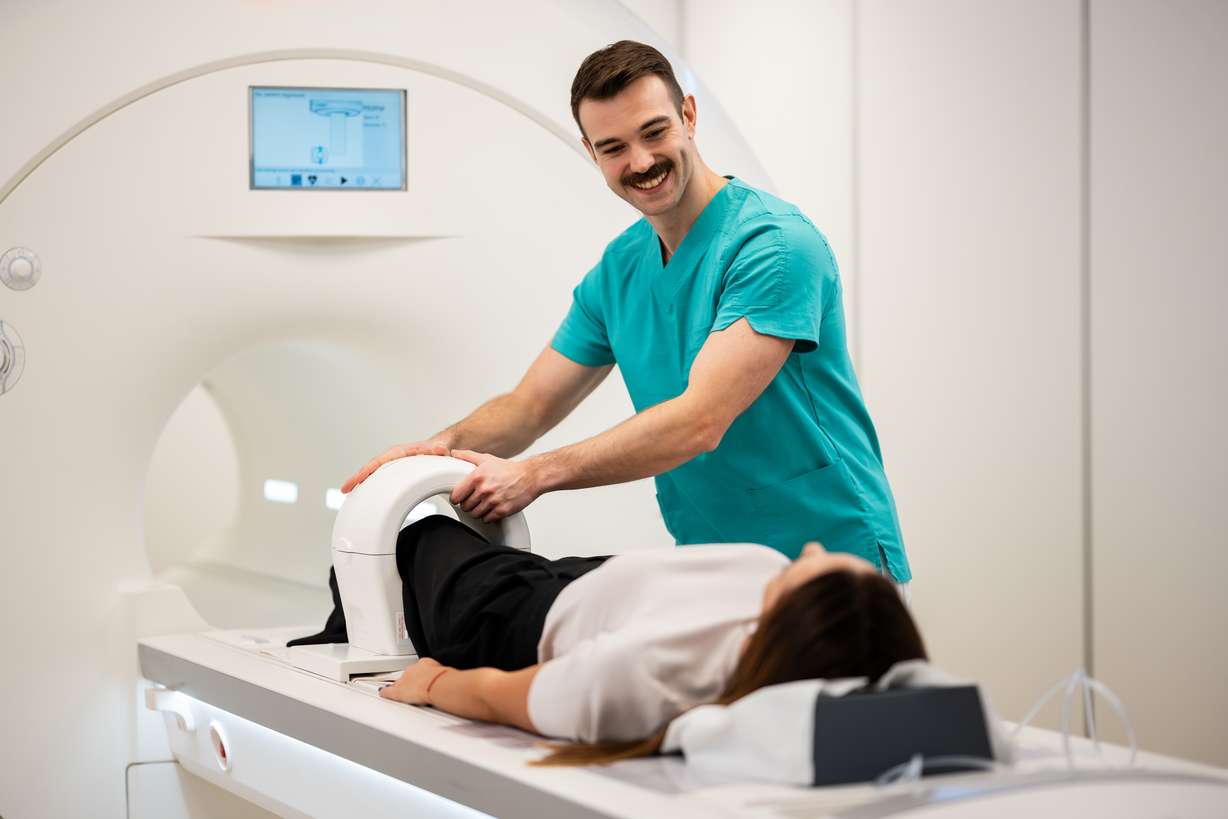
Magnetic resonance imaging (MRI) scans are pretty amazing. In about 30 to 60 minutes, that unexplained pain or issue in your body could suddenly have an answer thanks to detailed, high-resolution, 3D images.
Plus, as the U.S. Food and Drug Administration points out, these images don't require harmful radiation, making them safe enough for even children and pregnant women.
According to GoodRx, MRIs in the U.S. cost an average of $400 to $12,000, depending on the area of your body being scanned and other factors. But here's something that might shock you: An MRI at the hospital could cost you thousands of dollars more than a clinic across the street.
And the machine, quality and results are exactly the same.
It's a pretty large discrepancy, and even billionaires like Mark Cuban are calling it out. Taking to X, Cuban posted, "Explain to me why the insurance company will pay $2500 for an MRI when there is a center down the street that will do it for $399?"
It's a fair question. Here's the answer.
Facility fees
When you buy a t-shirt at a theme park, don't be surprised when that same shirt costs a lot more than what you would pay at your local shopping mall. That's because you're not just paying for a shirt. Whether you realize it or not, a theme park shirt is also paying for the rides, the food, security and other operational costs of the park.
The same principle applies to MRIs at hospitals versus smaller clinics.
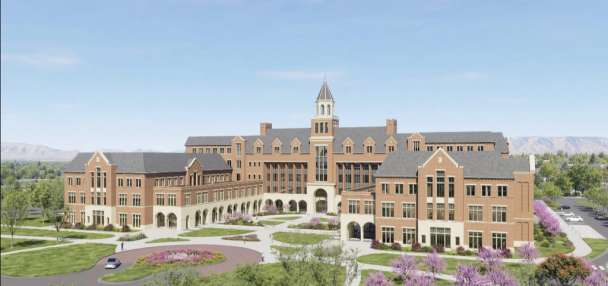
A hospital is full of expenses that run around the clock. There are emergency rooms, trauma teams, overnight staffing, specialists on call, expensive equipment and countless operational costs. To pay for all of these things, hospitals add a facility fee to your bill.
As Lorraine Roberte explains in an article for GoodRx, "These fees are becoming more common and costly."
They used to only apply to inpatient hospital stays, but now patients are seeing these fees for same-day care, virtual care and even diagnostic imaging that takes less than an hour.
Price negotiations
There's a reason why MRI prices vary so wildly across the nation — there's no fixed price. Hospitals negotiate different rates with insurers and they often set the bar fairly high.
Uninsured patients pay cash for these services. Interestingly, a recent study by Health Affairs found that paying cash was cheaper than the median commercial negotiated rates in 47% of instances.
Market power
It's true in retail and it's true in healthcare: people often pay much more money for a brand name. Well-known hospitals in the area often get away with demanding higher prices because there's no incentive to offer a lower price.
A study on PubMed Central found that in areas where few large hospital systems own most of the facilities, prices go up. Insurers will pay higher prices to include them in their plans so that they stay relevant to local employers.
Independent imaging centers are more competitive
Now that you understand why hospitals can get away with charging much higher prices for MRI scans and other services, it's time to look at the other side of that coin.
Independent imaging centers don't have the pricey overhead costs of hospitals. They don't negotiate with insurance companies, so there's no need to drive up prices. In fact, they keep prices low and transparent so that they can attract more clients. Lower prices benefit them — and they benefit you.
In many routine cases, patients receive the same type of imaging technology and diagnostic information — just at a much lower cost.
Schedule your MRI today — without the headaches and high costs
At TaylorMED MRI, you get clear, transparent pricing on all services. Whatever imaging you need — from brain to spine to hip or knee — you'll find a complete pricing list on their website. No surprises.
On top of that, most MRIs happen within a couple of days, if not the same day. Consultation options are available so you can get immediate answers. This includes a meeting with the radiologist immediately following your scan or even a phone call within 90 minutes of your exam.
Your official radiology report arrives via email within 24 hours, and you can share it with a doctor to plan any further treatment or therapy, if needed.
TaylorMED MRI has offices in Farmington, Lindon, Salt Lake and St. George. Most locations open at 8 a.m. and close at 5 p.m. during the week. Select spots stay open until 8 p.m. and even offer Saturday morning times.
Go online to book a time or call 385-831-7674 to schedule. A healthier and happier life is just a few minutes away.
The opinions and conclusions expressed in this article are the sponsor's own and do not reflect the views or opinions of KSL.com. This Site Does Not Provide Medical Advice. Any content on this Site, such as text, graphics, images, information obtained from, or contained on this Site are for informational purposes only. The content is not intended to be a substitute for professional medical advice, diagnosis, or treatment. Always seek the advice of your physician or other qualified health provider with any questions you may have regarding a medical condition. Never disregard professional medical advice or delay in seeking it because of something you have read on this site! The owner and operator of this site do not recommend or endorse any specific tests, physicians, products, procedures, opinions, or other information that may be mentioned on the site. Reliance on any information provided by the Operator, including their employees, contractors or others appearing on the Site at the invitation of the Operator, or other visitors to the Site is solely at your own risk. If you think you may have a medical emergency, call your doctor or 911 immediately.