'%3e%3cpath%20d='M34.1406%205.85938C30.3906%202.10547%2025.3047%200%2020%200C14.6953%200%209.60938%202.10547%205.85938%205.85938C2.10938%209.61328%200%2014.6953%200%2020C0%2025.3047%202.10547%2030.3906%205.85938%2034.1406C9.61328%2037.8906%2014.6953%2040%2020%2040C25.3047%2040%2030.3906%2037.8945%2034.1406%2034.1406C37.8906%2030.3906%2040%2025.3047%2040%2020C40%2014.6953%2037.8945%209.60938%2034.1406%205.85938ZM37.0117%2023.543H31.1602V13.5391H27.6328V19.9414C28.1211%2020.6914%2028.3711%2021.582%2028.3711%2022.5625V22.625C28.3711%2023.668%2028.1172%2024.6055%2027.6328%2025.4297V26.6094H36.082C33.4883%2032.9375%2027.2891%2037.3789%2020.0039%2037.3789C10.3711%2037.3789%202.62109%2029.6289%202.62109%2020C2.62109%2010.3711%2010.3711%202.62109%2020%202.62109C29.6289%202.62109%2037.3789%2010.3711%2037.3789%2020C37.3789%2021.1484%2037.2617%2022.2656%2037.0508%2023.3477C37.0391%2023.4141%2037.0234%2023.4766%2037.0117%2023.543Z'%20fill='white'/%3e%3cpath%20d='M22.3086%2018.5352C20.4336%2018.125%2019.9531%2017.8398%2019.9766%2017.1836V17.1406C19.9766%2016.6992%2020.3477%2016.2148%2021.4023%2016.2148C22.582%2016.2148%2023.8867%2016.6797%2025.0781%2017.4766L26.8516%2015.0195C25.4453%2013.8906%2023.707%2013.3398%2021.5547%2013.3398C18.5195%2013.3398%2016.4375%2015%2016.4063%2017.4766V17.5352C16.3633%2020.2617%2018.5859%2020.9805%2021.293%2021.6016C23.0391%2021.9766%2023.5703%2022.3164%2023.5703%2022.9609L23.5469%2022.9766C23.5469%2023.3906%2023.2578%2023.7031%2022.7852%2023.8359C22.5742%2023.9062%2022.1289%2023.9727%2021.5156%2023.9727C20.7617%2023.9727%2019.7539%2023.8633%2018.6328%2023.4844C18.0898%2023.2891%2017.4727%2023.0039%2016.8047%2022.6133L20.1406%2026.625C20.2813%2026.6602%2021.0977%2026.8516%2021.7734%2026.8516C25.0039%2026.8516%2027.0859%2025.2461%2027.1094%2022.6328V22.5703C27.1602%2020.1133%2025.2148%2019.1719%2022.3086%2018.5352Z'%20fill='white'/%3e%3cpath%20d='M5.24219%2013.5664V26.6133H8.75391V23.7578L10.2969%2021.9531L14.2031%2026.6133H18.3867L12.3555%2019.5195L17.4023%2013.5664H13.4531L8.75391%2019.0586V13.5664H5.24219Z'%20fill='white'/%3e%3c/g%3e%3cdefs%3e%3cclipPath%20id='clip0_97_2430'%3e%3crect%20width='40'%20height='40'%20fill='white'/%3e%3c/clipPath%3e%3c/defs%3e%3c/svg%3e)





- Children facing toxic stress may develop hidden talents, says a University of Utah psychology professor.
- Research shows these children excel in adaptive skills, like attention shifting.
- Brian Higgins is an example; diagnosed with PTSD, he thrives in chaotic environments due to hypervigilance.
SALT LAKE CITY — "Toxic stress" due to poverty and instability has a big impact on kids: lower test scores, less gray matter and more learning disabilities. But a University of Utah psychology professor says those kids may also develop what are called "hidden talents."
When developmental psychologist Bruce Ellis was a child in Berkeley, California, he went to school in the first school district to begin voluntary busing to desegregate schools. He took a bus to West Berkeley, at the time a poverty-stricken neighborhood.
"I met kids who were growing up in very harsh conditions, who lived in violent neighborhoods, who were dealing with real poverty and real adversity," he said.
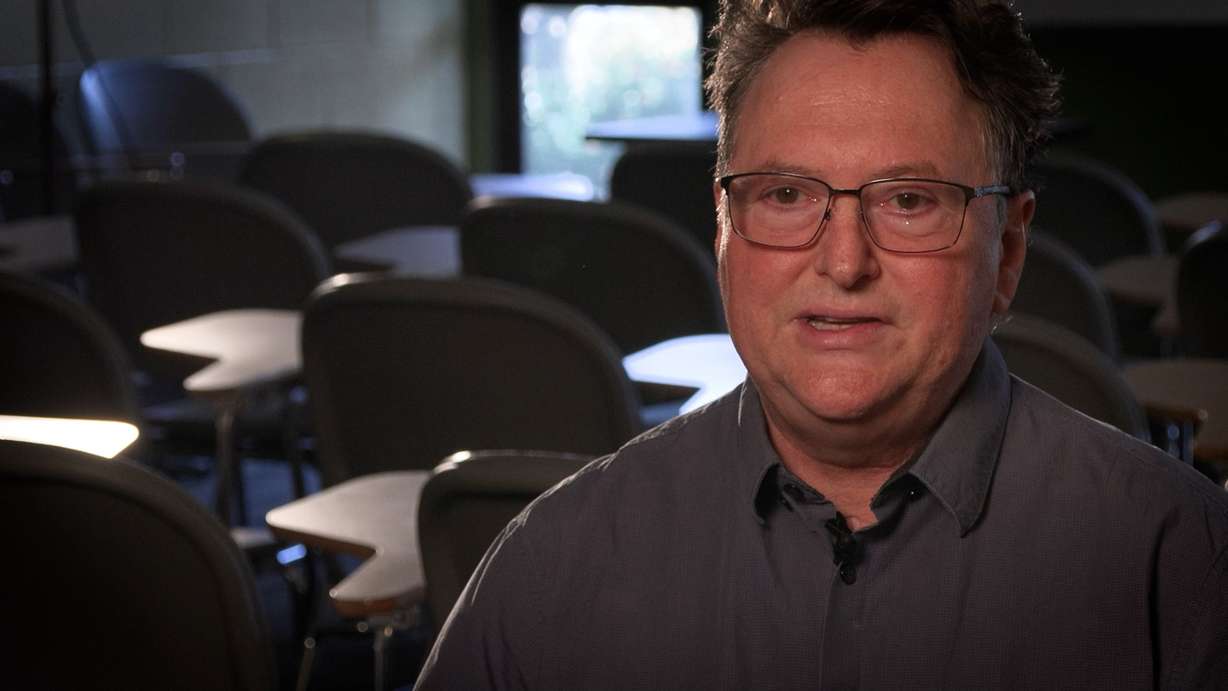
But when the young Ellis met the kids who lived there, he was impressed.
"They had all of these skills," he said.
"They were good at sports. They were good at ping-pong. They were good at playing cards," he said. "I met third graders that already knew how to go out and make money."
"I was kind of impressed and kind of in awe of these kids, even though I noticed that they didn't do all that well in the classroom."
Later, he would understand that his experience ran counter to the conventional wisdom in his field, which is called the deficit model.
"These kids have been exposed to toxic stress, and that toxic stress (had impaired) their brain structure and function," he said. "That they're broken and that they need to be fixed."
But, he said, "the deficits are only half the story."
He and other researchers devised a series of tests to give children at a Utah school and at a Boys and Girls Club facility. The idea was that children who are exposed to toxic stress develop adaptive skills that could be mapped and leveraged to help them in school.
What researchers found was that the kids from harsh environments, when dealing not with abstract information, like pure numbers, but with real-life examples, say pizzas, were just as good as other kids at "working memory updating." That's the ability to boot out old information and replace it with new.
And they were better than the other kids at "attention shifting," the ability to shift attention from one thing to the next.
Attention shifting was something that helped Brian Higgins, a Salt Lake mental health advocate in Salt Lake City, survive "the Troubles," a 30-year-long sectarian conflict in Northern Ireland. As the son of a police officer, he was a target and left the country with severe post-traumatic stress disorder, which manifested itself as hypervigilance, something his brain developed to keep him safe.
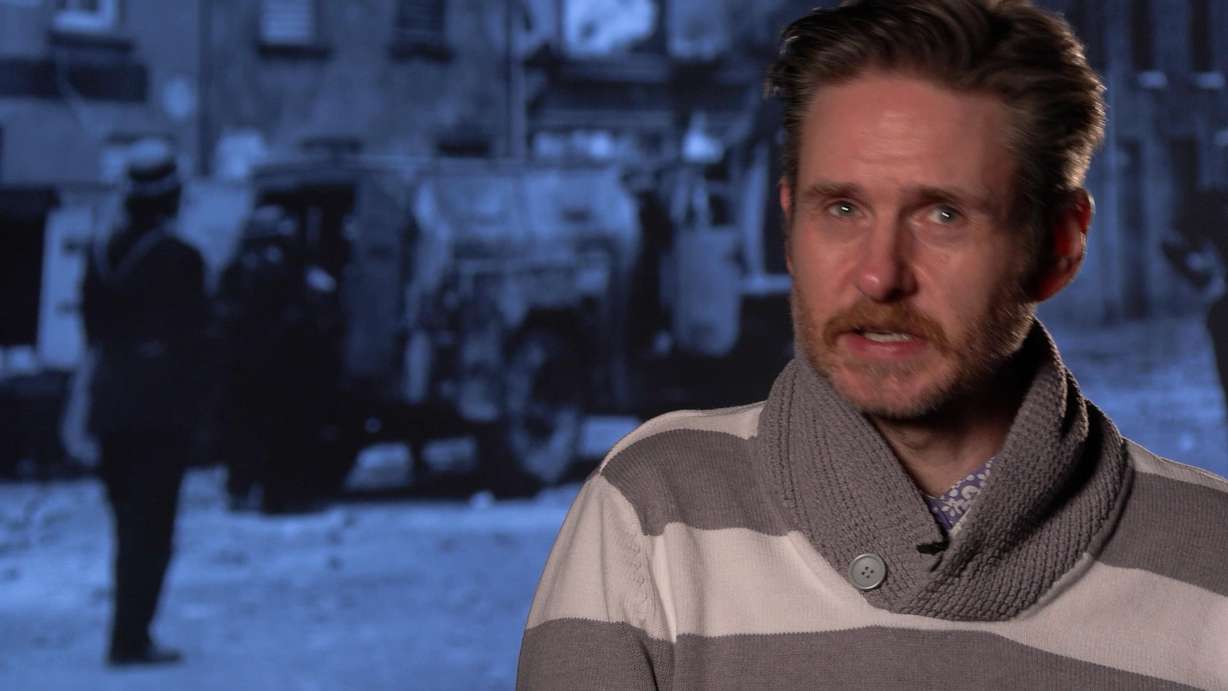
"I'm always listening for the (sound of) gunfire," he said. "I'm always smelling if there's fire."
He's learned that now to be productive, he needs his environment to be chaotic.
"I need things to be falling apart all around me, but, somehow, some way in my mind, it kind of unravels the wool of that, and somehow it all makes sense to me, and I'm calm in that environment," he said.
He says he needs to be working on several projects at once.
"I need a lot of problems to solve at every single moment," he said.
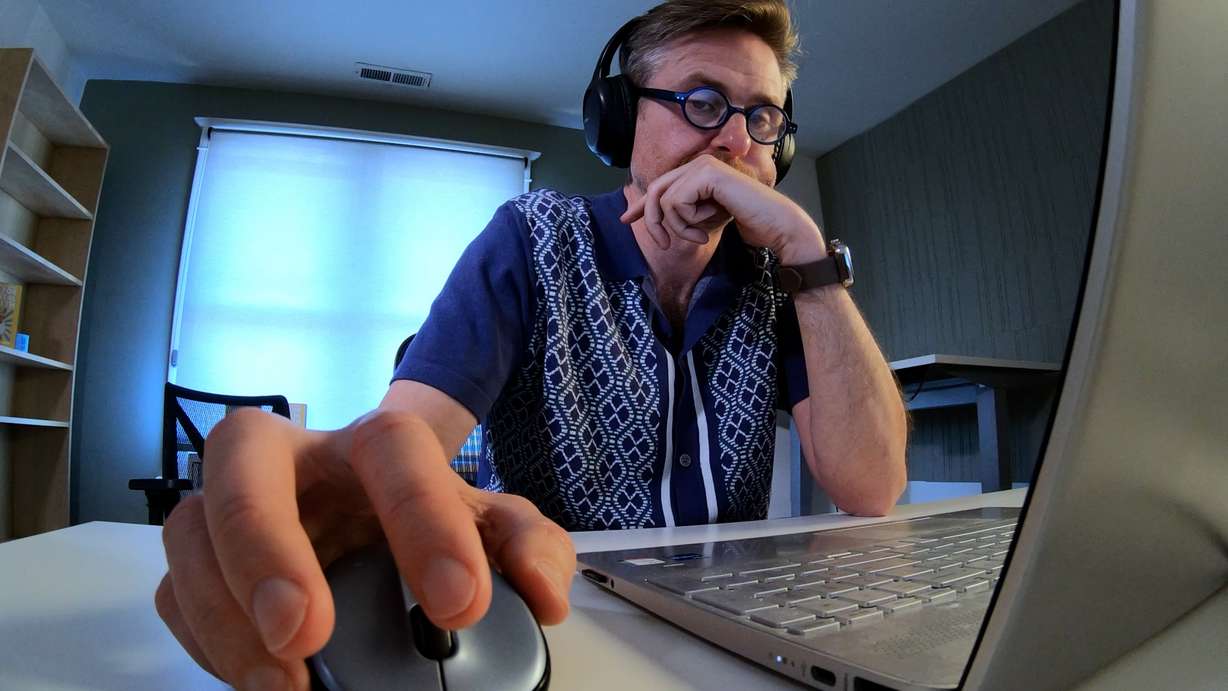
He says sometimes he'll be listening to music, a podcast, and "focus tones," while working on projects at his computer and maybe having a film playing in the background.
"I need that constant stimulation," he said. "That's the only way that I can feel calm."