- Utah's Hope4Utah suicide prevention program, funded by state grants, faces potential budget cuts.
- SB34 proposes flexible funding to ensure all schools receive suicide prevention support.
- Bill sponsor Rep. John Johnson, R-North Ogden, said the proposal is about "ensuring fairness and continuity."
SALT LAKE CITY — Just over a week ago, an 18-year-old from Springville died by suicide.
For Greg Hudnall and his legions of fellow Hope4Utah suicide-prevention team members, that teen's death doubled as an unwanted, unnecessary reminder: Suicide remains at or near the top of causes of death for Utah's kids.
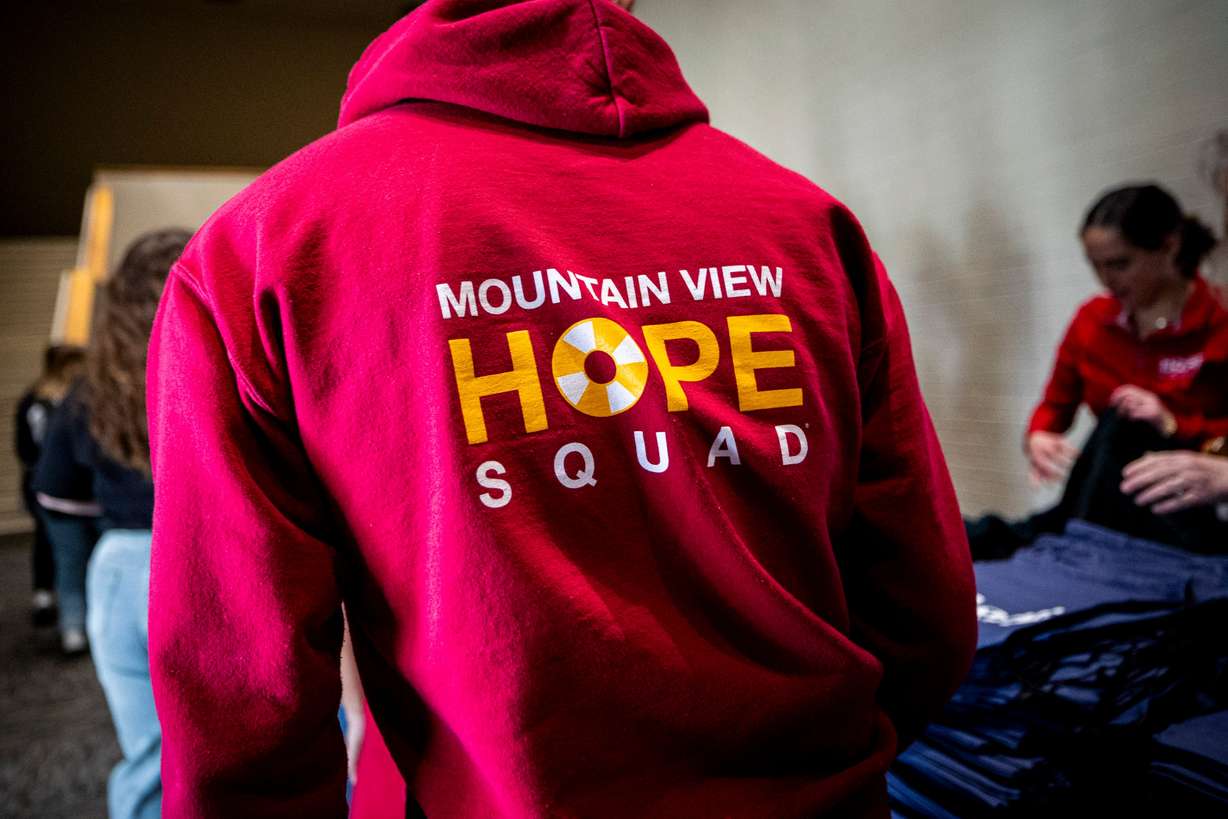
A former Utah high school principal and school district administrator, Hudnall and his "Hope" associates created a K-12 school-based "peer-to-peer" suicide prevention program known as "Hope Squad" more than two decades ago.
Their initial efforts were prompted by alarming numbers of Utah kids of all ages choosing to take their own lives.
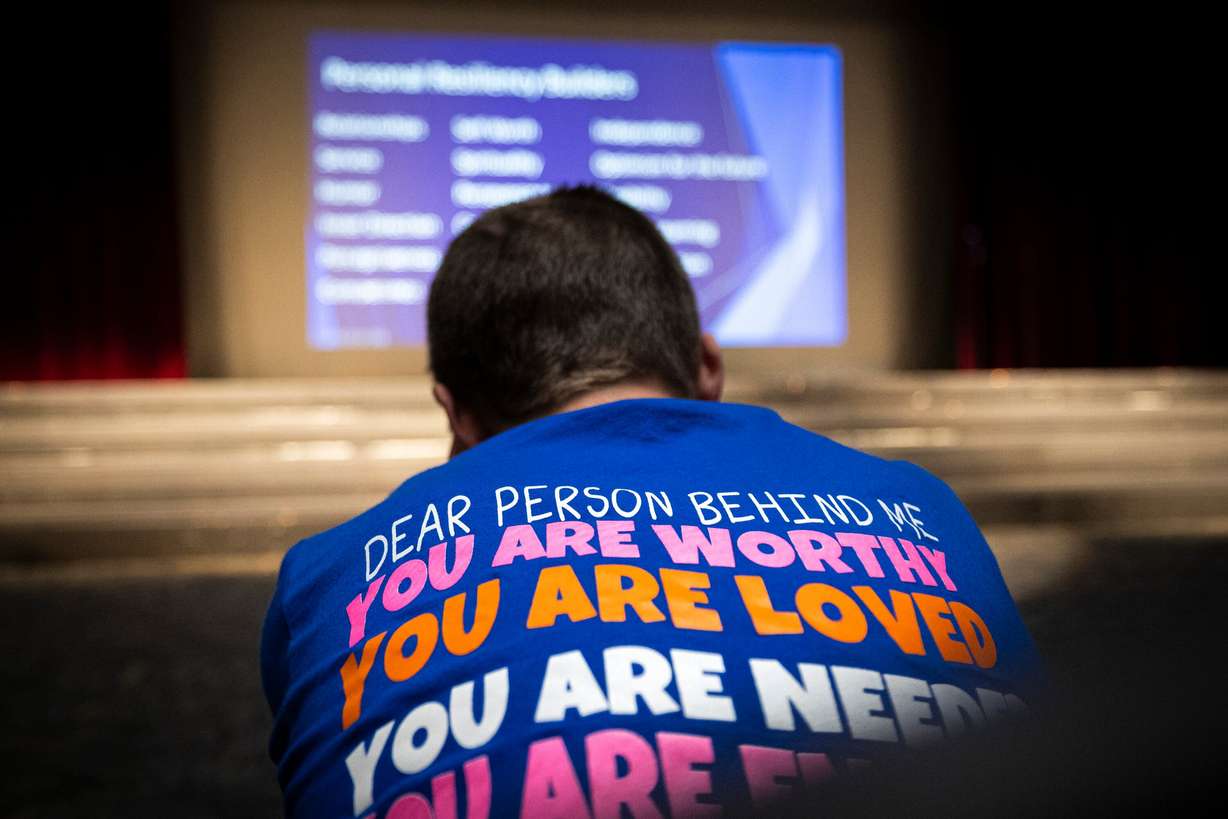
Today, the student-driven Hope Squads are key components of Hope4Utah — a grassroots, nonprofit educational organization specializing in suicide prevention, intervention and postvention.
Hope4Utah collaborates with schools, communities and mental health agencies to reduce youth suicide through education, training and the peer interventions offered by Hope Squads.
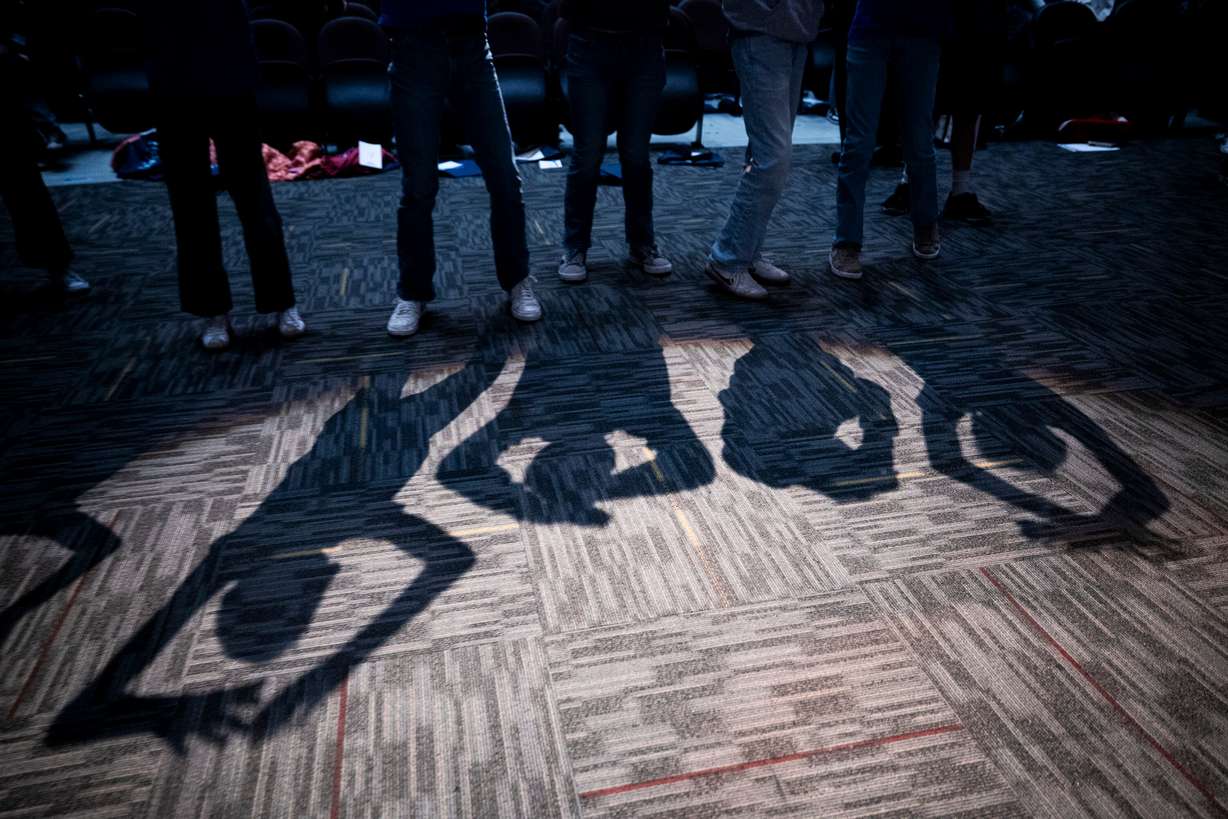
In recent days, students at Orem's Mountain View High School and Clearfield High School have participated in Hope Squad Conferences where they were trained in resilience, kindness, anti-bullying, suicide warning signs and self-care.
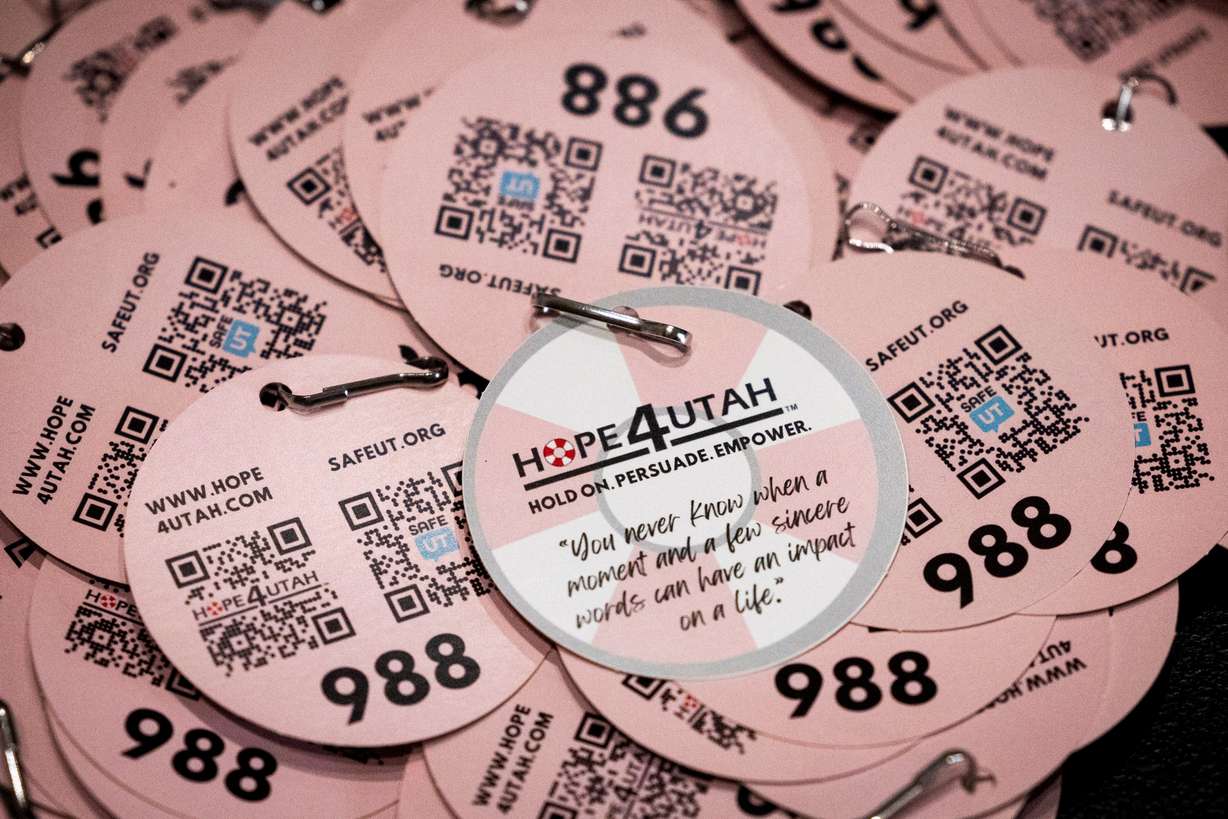
Hope4Utah envisions a well-trained Hope Squad functioning in every Utah high school because the squads are committed to recognizing suicide warning signs, offering friendship and support, and knowing when it's time to take preventive action.
Teen 'Hope Squads': Relying upon state dollars
The school-based Hope Squads, Hudnall told the Deseret News, are made possible by state funds. "That's what pays for the program."
But the state funding provision that allows K-12 public schools in Utah to receive suicide prevention funds is facing proposed changes.
If ratified, a bill in front of the Utah Legislature would allow the Utah State Board of Education to reduce suicide prevention grant amounts "in certain circumstances."
Currently, said Hudnall, Utah schools "are given $1,000 a school (each year) to pay for suicide prevention."
Each school, he added, can then choose between several different suicide prevention resources and program options. The Hope Squad program is one of those options.
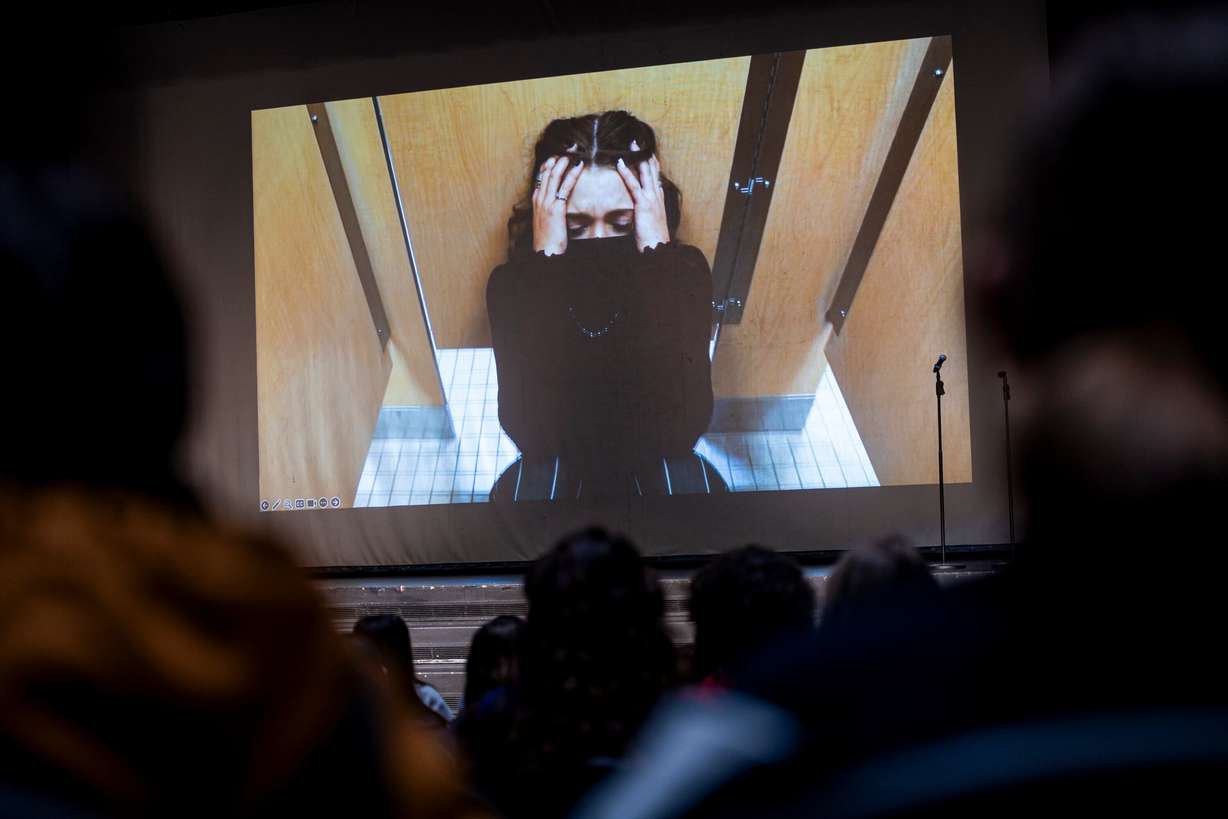
"It's a $500 fee for the Hope Squad program — that's what helps us put on these conferences," said Hudnall. "We do nine conferences throughout the state. Then we do training for new Hope Squad presidents and training for new Hope Squad advisers."
"That's how we put on all of these events."
With the remaining $500 from state funds, individual schools can pay for other suicide prevention activities such as mental health/mental wellness education and anti-bullying and resilience training.
Bill sponsor: Modifications ensure 'fairness and continuity'
Dubbed "Public Education Revisions," SB34 is sponsored by Sen. John Johnson, R-North Ogden. It includes a series of amendments to provisions and programs connected to operations in the state's public education system.
Johnson is running SB34 on behalf of the State Board of Education.
Counted among those provisions in the lengthy bill is the direction that the State Board of Education provide a suicide prevention grant of $1,000, per school — or, if appropriations are not available, provide grant money in "a commensurately lesser amount."
That's the amendment that concerns Hudnall and his Hope4Utah team.
A career educator, Johnson told the Deseret News that he's "a believer" in the Hope4Utah program and its mission to prevent youth suicide by empowering "peer-to-peer" student leaders.
"I'm very supportive of these programs," said Johnson. "In fact, my kids participated in them when they were in high school."
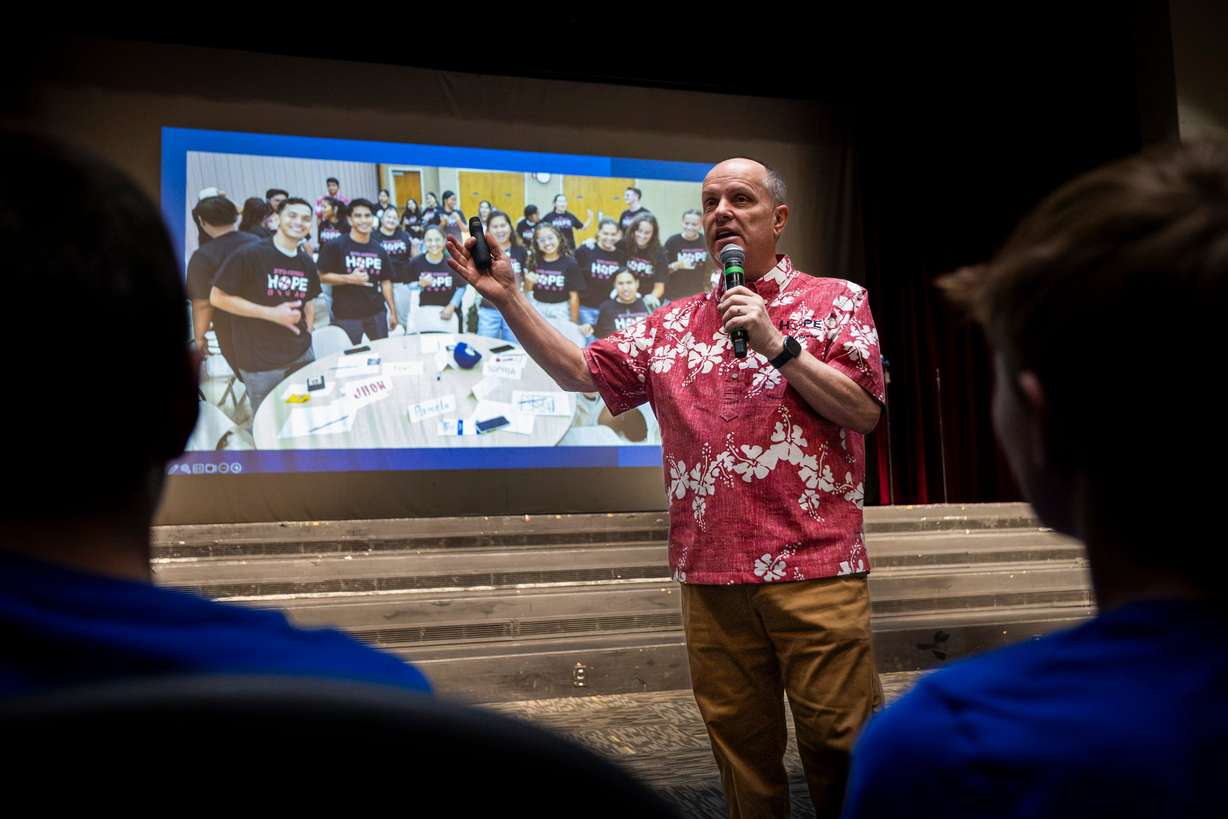
The senator noted that budget cuts are happening this year in public education, prompting a bill request from the school board in hopes of establishing some flexibility in its suicide prevention funding.
Current statute, said Johnson, requires the State Board of Education to distribute $1,000, per school, for the suicide prevention program. That works, he added, when appropriation matches the statutory amount.
"However, if the Legislature ever reduces that amount — the total appropriation — then the board would be required to send the full $1,000 to a smaller number of schools, meaning some schools would receive nothing," said Johnson.
"This substitute just corrects that rigidity. It allows the board to adjust the per-school amount proportionally so every school can continue to participate, even if the overall funding fluctuates."
The proposed change, Johnson emphasized, does not eliminate the suicide prevention program in Utah's K-12 schools — or reduce funding by statute.
"It simply ensures fairness and continuity, that's really what it's about."
School suicide prevention resources would remain available statewide, said Johnson, "rather than being concentrated in fewer schools during budget shifts."
The State Board of Education, he added, does not intend to cut any of the suicide prevention funding. "They just wanted to say, 'If our budget gets cut and we have a smaller amount of money, we want to still make sure that every school gets access to part of it.'"
"They don't want to have to pick and choose who gets funded and who doesn't," said Johnson.
SB34 has passed favorably through Utah's Senate and awaits House examination.
'Peer-to-peer' suicide prevention: A proven strategy
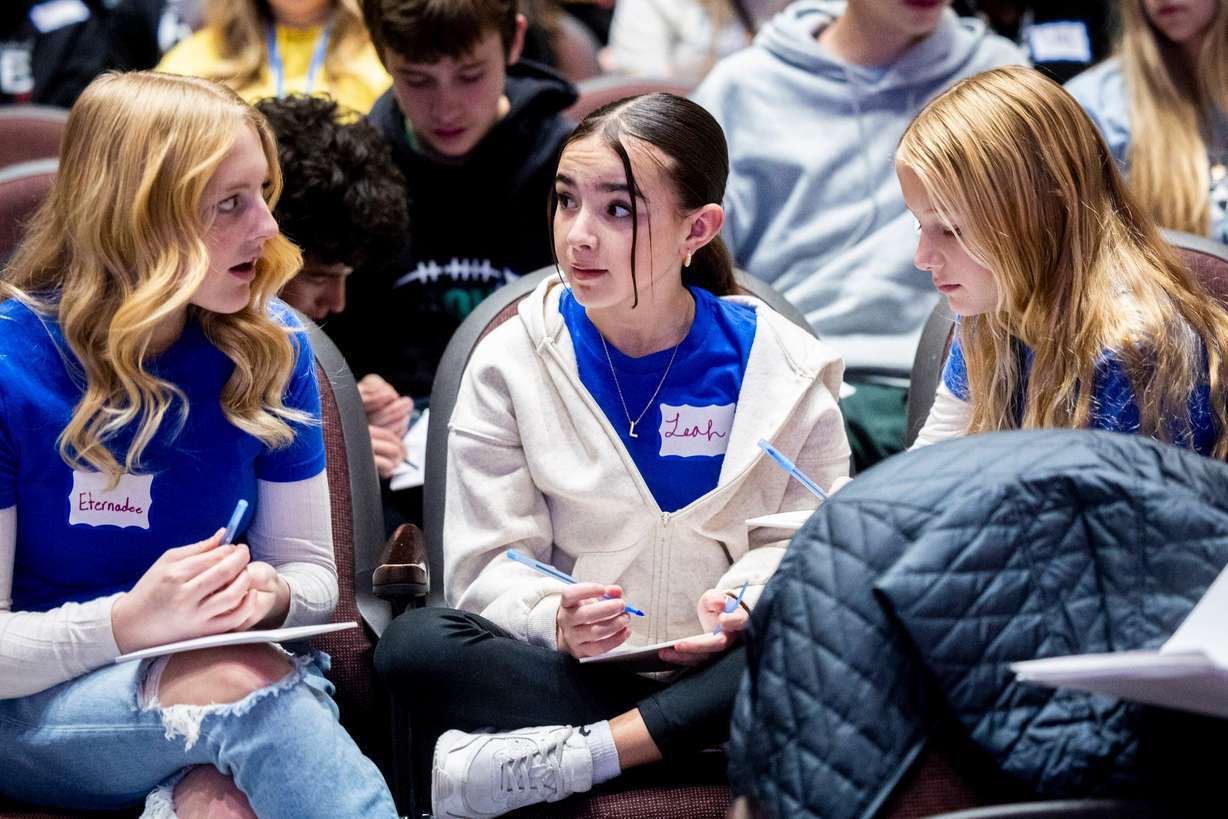
Hudnall believes in the willingness and capacity of Utah students to prevent suicide among their peers.
They're the ones with whom friends, teammates and classmates may share thoughts of suicide. So Utah teens need to have the resources and training required to prevent tragedies at their own schools, he said.
Hudnall added he has witnessed the power of Hope Squads. There was a time when Timpview High School was "ground zero" for teen suicides in Utah County. But over the past 22 years, there has not been a suicide at the Provo school.
"They estimate that there were probably 100 (Timpview High) students that were hospitalized over those 22 years that were referred by students, by administration and by parents," said Hudnall.
"That's what Hope Squad does."
Hudnall recalls one principal telling him that he "loves Hope Squad" because it "gives us permission to talk about mental health and to talk about mental illness — and that it's OK to get help if you're struggling."
Most mental illnesses, he added, begin between the ages of 10 to 14. "So the more that we can identify younger kids that are struggling and help their parents get resources … we can help that child be successful.
"The research shows that if we can intervene at a young age, that by the time they get out of high school, there's a really good chance we can prevent them from harming themselves later on."
Oftentimes, emphasized Hudnall, that initial intervention will come from a peer. When a young person is considering taking his or her own life, they will reach out to their closest friend.
"They will say, 'I'm at the end of my rope. I can't take it anymore,'" said Hudnall.
"That's why we try to train these Hope Squad members — and then they train the rest of their school about the warning signs, the risk factors, what to watch for and how to talk to a friend. That really is this united effort."

Most recent Utah Legislature stories
Related topics
 Jason Swensen