'%3e%3cpath%20d='M34.1406%205.85938C30.3906%202.10547%2025.3047%200%2020%200C14.6953%200%209.60938%202.10547%205.85938%205.85938C2.10938%209.61328%200%2014.6953%200%2020C0%2025.3047%202.10547%2030.3906%205.85938%2034.1406C9.61328%2037.8906%2014.6953%2040%2020%2040C25.3047%2040%2030.3906%2037.8945%2034.1406%2034.1406C37.8906%2030.3906%2040%2025.3047%2040%2020C40%2014.6953%2037.8945%209.60938%2034.1406%205.85938ZM37.0117%2023.543H31.1602V13.5391H27.6328V19.9414C28.1211%2020.6914%2028.3711%2021.582%2028.3711%2022.5625V22.625C28.3711%2023.668%2028.1172%2024.6055%2027.6328%2025.4297V26.6094H36.082C33.4883%2032.9375%2027.2891%2037.3789%2020.0039%2037.3789C10.3711%2037.3789%202.62109%2029.6289%202.62109%2020C2.62109%2010.3711%2010.3711%202.62109%2020%202.62109C29.6289%202.62109%2037.3789%2010.3711%2037.3789%2020C37.3789%2021.1484%2037.2617%2022.2656%2037.0508%2023.3477C37.0391%2023.4141%2037.0234%2023.4766%2037.0117%2023.543Z'%20fill='white'/%3e%3cpath%20d='M22.3086%2018.5352C20.4336%2018.125%2019.9531%2017.8398%2019.9766%2017.1836V17.1406C19.9766%2016.6992%2020.3477%2016.2148%2021.4023%2016.2148C22.582%2016.2148%2023.8867%2016.6797%2025.0781%2017.4766L26.8516%2015.0195C25.4453%2013.8906%2023.707%2013.3398%2021.5547%2013.3398C18.5195%2013.3398%2016.4375%2015%2016.4063%2017.4766V17.5352C16.3633%2020.2617%2018.5859%2020.9805%2021.293%2021.6016C23.0391%2021.9766%2023.5703%2022.3164%2023.5703%2022.9609L23.5469%2022.9766C23.5469%2023.3906%2023.2578%2023.7031%2022.7852%2023.8359C22.5742%2023.9062%2022.1289%2023.9727%2021.5156%2023.9727C20.7617%2023.9727%2019.7539%2023.8633%2018.6328%2023.4844C18.0898%2023.2891%2017.4727%2023.0039%2016.8047%2022.6133L20.1406%2026.625C20.2813%2026.6602%2021.0977%2026.8516%2021.7734%2026.8516C25.0039%2026.8516%2027.0859%2025.2461%2027.1094%2022.6328V22.5703C27.1602%2020.1133%2025.2148%2019.1719%2022.3086%2018.5352Z'%20fill='white'/%3e%3cpath%20d='M5.24219%2013.5664V26.6133H8.75391V23.7578L10.2969%2021.9531L14.2031%2026.6133H18.3867L12.3555%2019.5195L17.4023%2013.5664H13.4531L8.75391%2019.0586V13.5664H5.24219Z'%20fill='white'/%3e%3c/g%3e%3cdefs%3e%3cclipPath%20id='clip0_97_2430'%3e%3crect%20width='40'%20height='40'%20fill='white'/%3e%3c/clipPath%3e%3c/defs%3e%3c/svg%3e)


- Utah lawmakers rejected HB184, a bill aimed at easing zoning rules.
- Rep. Ray Ward proposed changes to boost starter home construction, but faced opposition.
- Gov. Cox prioritizes starter homes, yet Utah's housing market remains expensive.
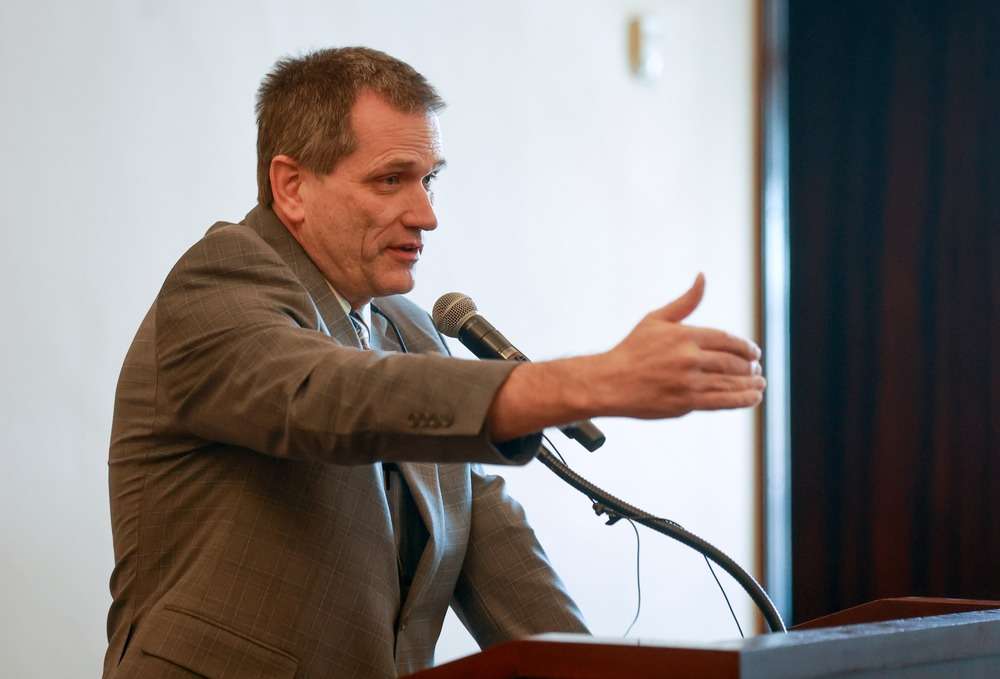
SALT LAKE CITY — Utah's zoning practices have made homebuilding more expensive and burdensome, a Republican lawmaker told his colleagues, urging their support for a bill he said would change things in a "small way" to try to get more starter homes built.
But Rep. Ray Ward's plea failed to sway the House Economic Development and Workforce Services Committee, which voted 3-6 on Wednesday to reject HB184, blocking it from moving forward in the remaining days of the legislative session.
It was the second attempt this session for Ward, R-Bountiful, who first presented his bill earlier this month and then made changes to try to appease critics.
The latest version of HB184 proposed loosening local land use rules in larger counties by allowing residents to request an exception to city or county building regulations – such as building a smaller home than zoning regulations allow – and giving municipalities a fixed time to respond.
If they don't respond within 45 days, according to the bill, the request would be automatically granted.
"It's my belief that unless the Legislature is willing to consider some larger ideas, we'll have a hard time making progress with our housing affordability problem," Ward said. "It's my belief that just the way we have done zoning over decades has made things slow, has made things more expensive, and most importantly, has made it difficult for small homes to be built."
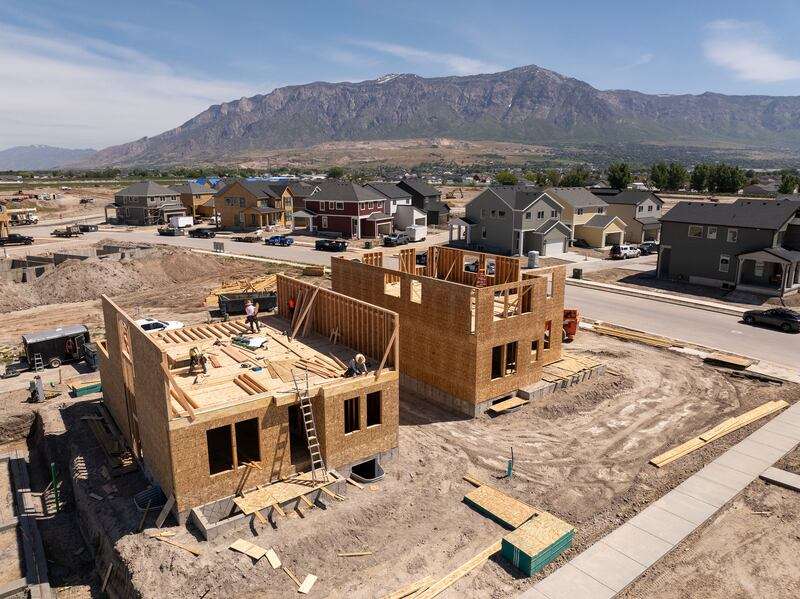
Gov. Spencer Cox has made starter homes a priority, vowing to build 35,000 of them before the end of his second term in 2029, while acknowledging the state is behind schedule.
But Ward has criticized the state for not taking big enough steps to address the housing crisis, arguing that past efforts from lawmakers and the governor have not done anything to actually reduce prices.
The median sales price for all housing types in Utah – including single-family, townhomes, and condos – was $505,000 in January, according to the Kem C. Gardner Policy Institute.
Stiff opposition
Ward's bill faced an uphill battle from the start. The influential Utah League of Cities and Towns opposed it, saying it threatened local officials' abilities to zone and plan for the future.
"It fundamentally interferes with the authority of city councils, negatively impacts our longstanding land use policy, creates a flawed process, undermines infrastructure planning, (and) is unfair to those existing land use applications that are already in the queue," said Kate Bradshaw, the mayor of Bountiful who also serves as the League's president.
Several local city council members from across the state also spoke against the bill, echoing similar concerns. Rep. Doug Fiefia, R-Herriman, sympathized with them.
"I fear the state moving in on local control, and I think that's an important piece that cities should keep," he said, announcing his opposition to the bill.
However, Fiefia suggested that cities aren't blameless when it comes to addressing the state's housing crisis. He said the conversation sparked by Ward needs to keep going.
"We should continue talking about it," Fiefia said, "and it should be a wake-up call to the cities that they should do their job."
Lauren Cole, policy manager at Wasatch Advocates for Livable Communities, which supported the bill, noted that Utah's housing market is among the most expensive in the country.
"The status quo is not working for Utah families currently," Cole said. "When communities are willing to rethink outdated processes, this can unlock real improvements in housing affordability."
Rep. Dave Shallenberger, R-Orem, was one of the few lawmakers who voted to advance HB184. He said the state needs new ideas to address housing affordability and he expressed frustration that Ward's bill seemed destined to die.
"When we bring new ideas – innovative ideas to the table – we squash them right as they are starting to get some legs under them," Shallenberger said.