'%3e%3cpath%20d='M34.1406%205.85938C30.3906%202.10547%2025.3047%200%2020%200C14.6953%200%209.60938%202.10547%205.85938%205.85938C2.10938%209.61328%200%2014.6953%200%2020C0%2025.3047%202.10547%2030.3906%205.85938%2034.1406C9.61328%2037.8906%2014.6953%2040%2020%2040C25.3047%2040%2030.3906%2037.8945%2034.1406%2034.1406C37.8906%2030.3906%2040%2025.3047%2040%2020C40%2014.6953%2037.8945%209.60938%2034.1406%205.85938ZM37.0117%2023.543H31.1602V13.5391H27.6328V19.9414C28.1211%2020.6914%2028.3711%2021.582%2028.3711%2022.5625V22.625C28.3711%2023.668%2028.1172%2024.6055%2027.6328%2025.4297V26.6094H36.082C33.4883%2032.9375%2027.2891%2037.3789%2020.0039%2037.3789C10.3711%2037.3789%202.62109%2029.6289%202.62109%2020C2.62109%2010.3711%2010.3711%202.62109%2020%202.62109C29.6289%202.62109%2037.3789%2010.3711%2037.3789%2020C37.3789%2021.1484%2037.2617%2022.2656%2037.0508%2023.3477C37.0391%2023.4141%2037.0234%2023.4766%2037.0117%2023.543Z'%20fill='white'/%3e%3cpath%20d='M22.3086%2018.5352C20.4336%2018.125%2019.9531%2017.8398%2019.9766%2017.1836V17.1406C19.9766%2016.6992%2020.3477%2016.2148%2021.4023%2016.2148C22.582%2016.2148%2023.8867%2016.6797%2025.0781%2017.4766L26.8516%2015.0195C25.4453%2013.8906%2023.707%2013.3398%2021.5547%2013.3398C18.5195%2013.3398%2016.4375%2015%2016.4063%2017.4766V17.5352C16.3633%2020.2617%2018.5859%2020.9805%2021.293%2021.6016C23.0391%2021.9766%2023.5703%2022.3164%2023.5703%2022.9609L23.5469%2022.9766C23.5469%2023.3906%2023.2578%2023.7031%2022.7852%2023.8359C22.5742%2023.9062%2022.1289%2023.9727%2021.5156%2023.9727C20.7617%2023.9727%2019.7539%2023.8633%2018.6328%2023.4844C18.0898%2023.2891%2017.4727%2023.0039%2016.8047%2022.6133L20.1406%2026.625C20.2813%2026.6602%2021.0977%2026.8516%2021.7734%2026.8516C25.0039%2026.8516%2027.0859%2025.2461%2027.1094%2022.6328V22.5703C27.1602%2020.1133%2025.2148%2019.1719%2022.3086%2018.5352Z'%20fill='white'/%3e%3cpath%20d='M5.24219%2013.5664V26.6133H8.75391V23.7578L10.2969%2021.9531L14.2031%2026.6133H18.3867L12.3555%2019.5195L17.4023%2013.5664H13.4531L8.75391%2019.0586V13.5664H5.24219Z'%20fill='white'/%3e%3c/g%3e%3cdefs%3e%3cclipPath%20id='clip0_97_2430'%3e%3crect%20width='40'%20height='40'%20fill='white'/%3e%3c/clipPath%3e%3c/defs%3e%3c/svg%3e)




- A Utahn who lost $850,000 in a romance scam is asking the Legislature to crack down on cryptocurrency fraud.
- Utah lawmakers propose bills to limit cryptocurrency ATM transfers.
- AARP Utah supports even lower caps on transfers.
SALT LAKE CITY — When a stranger reached out on LinkedIn in 2023, Anola Johnson didn't think too much of it.
The 67-year-old Centerville woman accepted the message request and began chatting with a man who called himself Pedro. That conversation soon moved onto text messaging and became a friendship, then a romance. As things progressed, Pedro built up trust with Johnson before asking if she would invest in a joint cryptocurrency account.
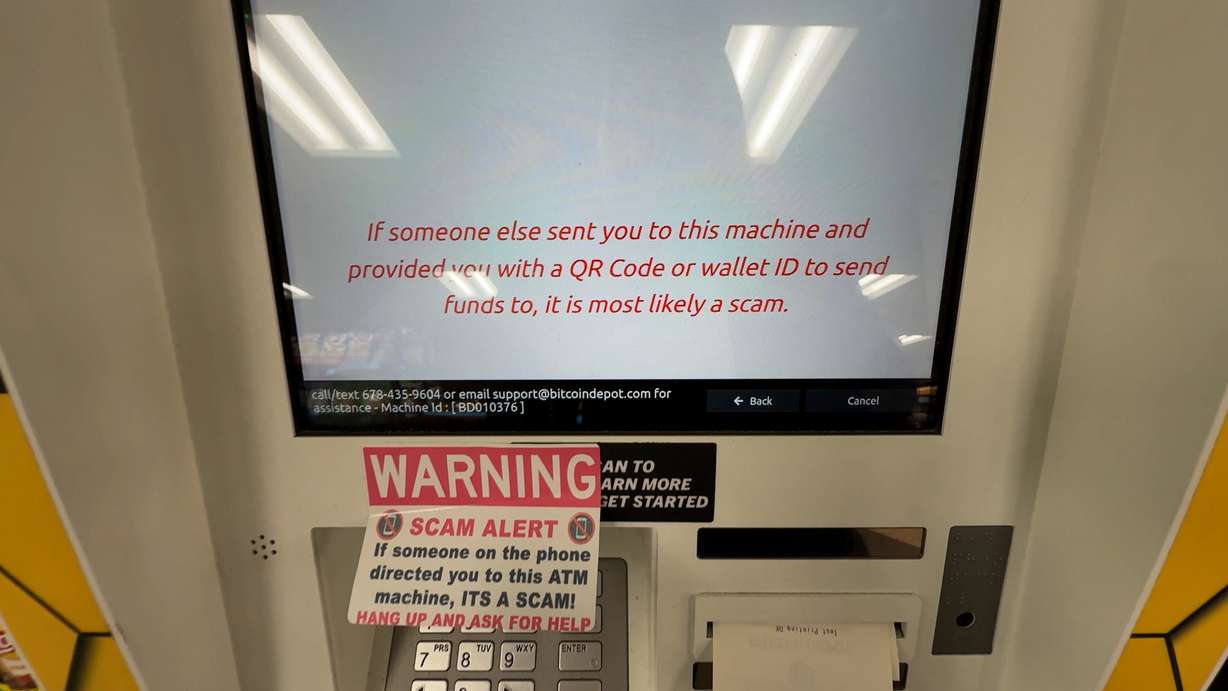
Johnson went to a gas station near her home and sent cash through a cryptocurrency ATM, which converts dollars into cryptocurrency, a digital form of money that comes in many types, like bitcoin. She said the man led her to believe he was also adding to the same account.
When the man kept asking for further investment, she kept sending it, depleting her personal and retirement savings, maxing out her credit cards and refinancing her mortgage to keep the money flowing.
It was nine months before she realized she was being scammed, and by then it was too late — Johnson had lost $850,000.
"It's hard to explain to somebody who hasn't been through it, but what I call it is brain jacking," she told KSL of the "grooming" behavior she experienced. "It just floods you with feel-good feelings, and you don't want it to stop because they're paying attention to you, and hey, nobody's paid attention to me in 20 years."
Johnson, who's now 69, is far from being the only victim of this type of romance scam, where criminals use a fake online identity to build affection and trust with a victim. Americans lost $1.14 billion to romance scams in 2023, according to the Federal Trade Commission. Online scammers have turned to cryptocurrency to perpetrate such crimes as crypto transactions are anonymous and cannot be reversed.
While communicating with the scammer, Johnson said she noticed some small red flags early on, but she didn't pay much attention to them.
"Once you're in that brain-jacked position, you will overlook almost anything that doesn't feel right," she said. "You'll wish it away or justify it somehow."
Instead, the scammer's convincing stories and explanations led her along. Now, she's tasked with paying back the debts she incurred.
"There's no cavalry coming to save me," Johnson said. "Unless I win the lottery, I'm probably going to live the rest of my life in poverty."
Lawmakers target crypto scams
This year, some Utah lawmakers are trying to tackle cryptocurrency fraud. Two bills propose limits on cryptocurrency transfers, and one also caps the fees a crypto ATM operator can charge for transactions.
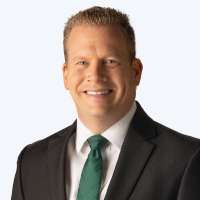
Joe Hirabayashi, AARP Utah associate state director of advocacy, is watching both proposals closely and hopes the state will take meaningful action against crypto fraud.
"Frankly, not many people are aware of this," Hirabayashi said, "and it's better to get ahead of these before the victims become too numerous."
Neither bill has moved very far yet this legislative session. HB72, sponsored by Rep. Ryan Wilcox, R-Ogden, is awaiting a committee hearing. Wilcox updated his bill on Wednesday to cap cryptocurrency ATM transactions at $2,000 per day for the first three days after a customer's first transaction. That would increase to $5,000 per day after three days.
Hirabayashi wants the caps lowered.
"Five thousand dollars is a lot of money, and we think that for an average consumer, they would probably go online to do that transaction," he said. "It makes more sense to keep the limits lower because those who are going to put in more money would be doing it on an exchange instead of in person at a machine."
The other bill, SB173, sponsored by Sen. Brady Brammer, R-Highland, would start with lower transaction limits of $1,000 per day, along with a 3% ceiling for fees that a virtual currency kiosk operator could charge per transaction. That bill has also not been heard yet in a legislative committee.
Both bills would also require ATM operators to clearly disclose their terms and conditions and provide a warning about recognizing and preventing fraud.
Brammer told KSL that when he and Wilcox realized they were working on similar bills, they decided to combine their efforts and will look to move forward with HB72. The senator said they are still working out the specifics, but the final version would likely include a "cool-down period" limiting initial transactions.
"They're oftentimes threatened that they're being watched continuously, and if they talk to anyone, then there will be serious repercussions," Brammer said. "There's a level of fear that, with enough time, can subside, and they come to their senses. We want to create some time and just some barriers ... so that it's harder for (fraud) to happen."
'There's a scam out there for everybody'
Even several years removed from the ordeal, it's still painful for Johnson to relive it, especially since she knows many will question her decisions during her nine-month relationship with the online scammer.
She said the person on the other end of those conversations "psychologically entrapped" her.
"I know that I will be victim shamed, and that's OK. I'm ready for that," she said. "But if I had been one of (convicted financial fraudster) Bernie Madoff's victims, would you still call me stupid? Would you still assume that I should know what's going on? No, you'd call me a victim of financial crime. So why don't I get the same opportunity for some slack versus Bernie's victims?"
Johnson urged people to pay attention to her story and learn from it, while encouraging state lawmakers to act on crypto fraud. She said no one is immune to scams, whether that be someone posing as a family member, government official or someone else.
"They are hunting everyone. Not just me. They got me. But they're hunting you … and they won't stop until somebody somehow gets you," she said. "The only way to stop it is to warn people what's coming."