'%3e%3cpath%20d='M34.1406%205.85938C30.3906%202.10547%2025.3047%200%2020%200C14.6953%200%209.60938%202.10547%205.85938%205.85938C2.10938%209.61328%200%2014.6953%200%2020C0%2025.3047%202.10547%2030.3906%205.85938%2034.1406C9.61328%2037.8906%2014.6953%2040%2020%2040C25.3047%2040%2030.3906%2037.8945%2034.1406%2034.1406C37.8906%2030.3906%2040%2025.3047%2040%2020C40%2014.6953%2037.8945%209.60938%2034.1406%205.85938ZM37.0117%2023.543H31.1602V13.5391H27.6328V19.9414C28.1211%2020.6914%2028.3711%2021.582%2028.3711%2022.5625V22.625C28.3711%2023.668%2028.1172%2024.6055%2027.6328%2025.4297V26.6094H36.082C33.4883%2032.9375%2027.2891%2037.3789%2020.0039%2037.3789C10.3711%2037.3789%202.62109%2029.6289%202.62109%2020C2.62109%2010.3711%2010.3711%202.62109%2020%202.62109C29.6289%202.62109%2037.3789%2010.3711%2037.3789%2020C37.3789%2021.1484%2037.2617%2022.2656%2037.0508%2023.3477C37.0391%2023.4141%2037.0234%2023.4766%2037.0117%2023.543Z'%20fill='white'/%3e%3cpath%20d='M22.3086%2018.5352C20.4336%2018.125%2019.9531%2017.8398%2019.9766%2017.1836V17.1406C19.9766%2016.6992%2020.3477%2016.2148%2021.4023%2016.2148C22.582%2016.2148%2023.8867%2016.6797%2025.0781%2017.4766L26.8516%2015.0195C25.4453%2013.8906%2023.707%2013.3398%2021.5547%2013.3398C18.5195%2013.3398%2016.4375%2015%2016.4063%2017.4766V17.5352C16.3633%2020.2617%2018.5859%2020.9805%2021.293%2021.6016C23.0391%2021.9766%2023.5703%2022.3164%2023.5703%2022.9609L23.5469%2022.9766C23.5469%2023.3906%2023.2578%2023.7031%2022.7852%2023.8359C22.5742%2023.9062%2022.1289%2023.9727%2021.5156%2023.9727C20.7617%2023.9727%2019.7539%2023.8633%2018.6328%2023.4844C18.0898%2023.2891%2017.4727%2023.0039%2016.8047%2022.6133L20.1406%2026.625C20.2813%2026.6602%2021.0977%2026.8516%2021.7734%2026.8516C25.0039%2026.8516%2027.0859%2025.2461%2027.1094%2022.6328V22.5703C27.1602%2020.1133%2025.2148%2019.1719%2022.3086%2018.5352Z'%20fill='white'/%3e%3cpath%20d='M5.24219%2013.5664V26.6133H8.75391V23.7578L10.2969%2021.9531L14.2031%2026.6133H18.3867L12.3555%2019.5195L17.4023%2013.5664H13.4531L8.75391%2019.0586V13.5664H5.24219Z'%20fill='white'/%3e%3c/g%3e%3cdefs%3e%3cclipPath%20id='clip0_97_2430'%3e%3crect%20width='40'%20height='40'%20fill='white'/%3e%3c/clipPath%3e%3c/defs%3e%3c/svg%3e)




- Utah lawmakers' proposed bills to overhaul the judiciary are facing public skepticism.
- The Utah State Bar expressed concern over the judiciary bills, fearing impact on judicial independence.
SALT LAKE CITY — In the first two weeks of Utah's 2026 legislative session, GOP lawmakers have introduced several bills intending to overhaul the state's court systems. Public response during committee meetings discussing such bills has been predominantly skeptical — especially from local attorneys.
Last week, Sen. Chris Wilson, R-Logan, introduced his court expansion bill to the state Senate. By Saturday, he had passed the Legislature and signed by Gov. Spencer Cox.
The bill will add more judges to the state Supreme Court and Court of Appeals.

There are currently five justices on the Supreme Court and seven judges on the Court of Appeals. Wilson proposed increasing the highest court to seven judges and the appellate court to nine.
Wilson mentioned on Wednesday that he understands the Legislature's financial constraints this year. However, he emphasized that expanding the courts is a critical need for the state, a position supported by Gov. Spencer Cox and backed by bipartisan approval (though the majority of senators who voted against the bill were Democrats).
On Monday, a funding request related to SB134 indicated a one-time cost of $1.79 million in 2027, followed by annual payments of approximately $2.79 million. These payments would be made from the general fund.
The bill will be the first time since 2016 that a state has increased the number of judges on the Supreme Court bench.
Much of the dismay over Wilson's bill is in the addition of the Supreme Court justices. The Utah State Bar Association reacted to SB134 in partial favor to it, agreeing with the need to add to the lower courts but against adding to the state's highest court.
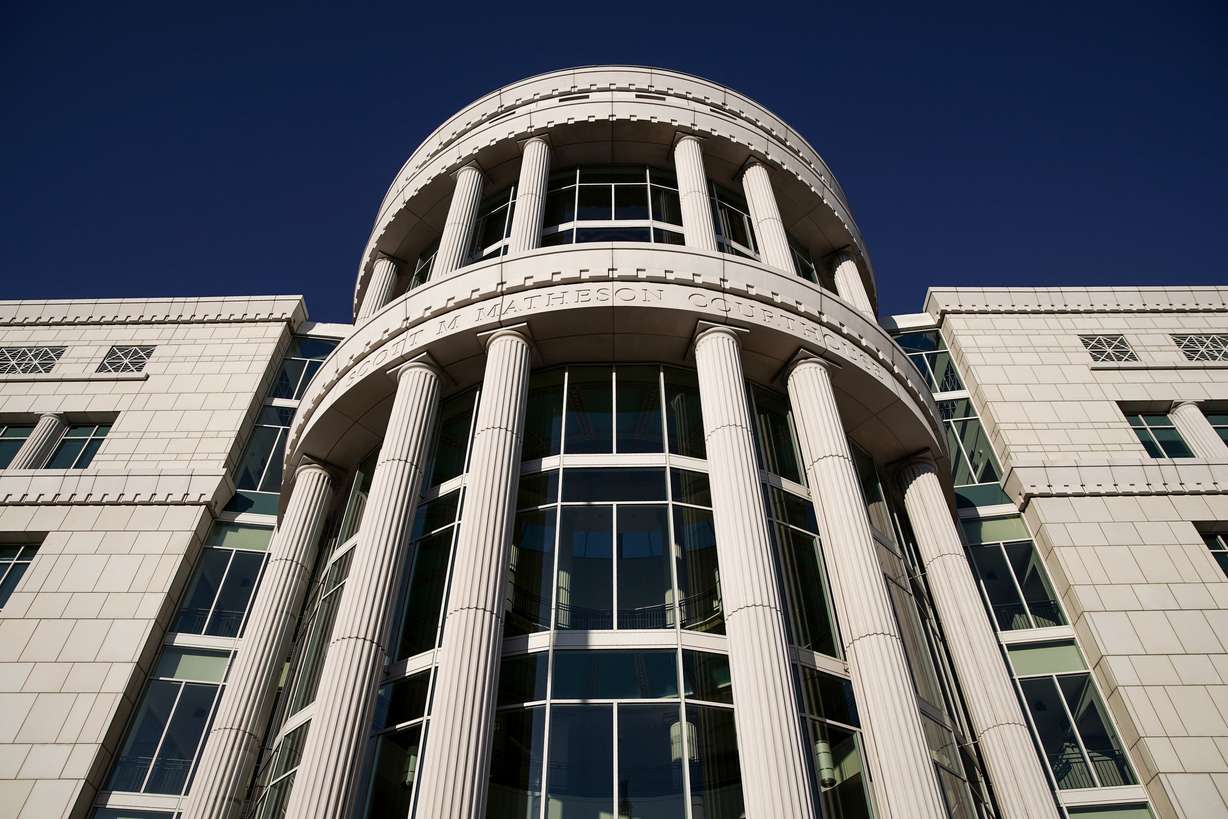
New bill seeks to create new court, receives strong public pushback
During the same House committee meeting on Wednesday, Rep. Matt MacPherson, R-West Valley City, also introduced HB392, which would establish a constitutional court. Like an appellate court, the new court would have three judges on its bench. It would focus solely on constitutional issues concerning state law, so those cases would be directed to the new court rather than beginning in a district court.
It would also allow the Legislature or the state attorney general to transfer civil cases deemed to be of significant public importance from the district court to the constitutional court, with decisions still subject to appeal to the Utah Supreme Court.
For standard motions, a single judge would handle the ruling, but MacPherson said the three-judge panel would work together on injunctions, trials and opinions, and judges would be selected through the general process.
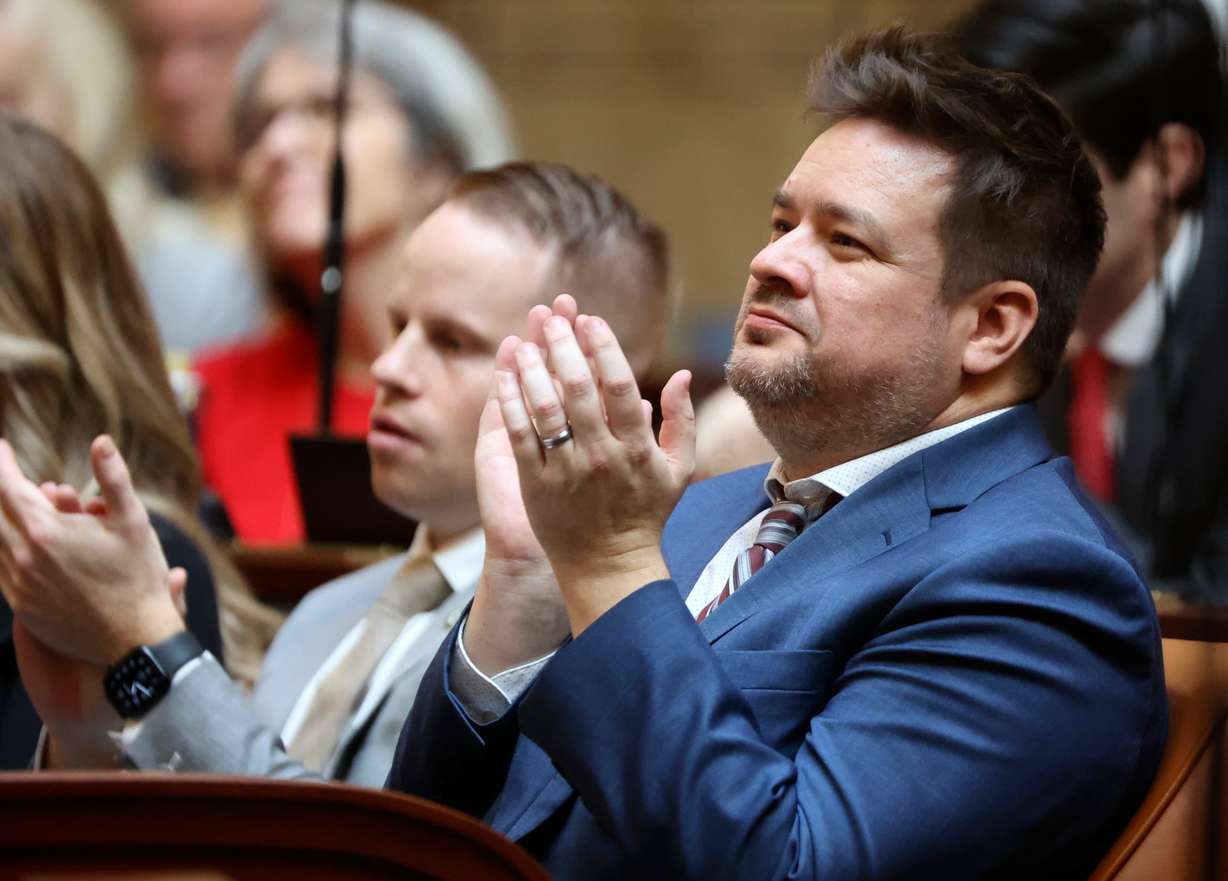
"This process of centralizing these claims will help the judges in this case or in these matters become much more specialized over time. This is important for the entire state of Utah," MacPherson said. "The specialization and the ability to keep them centralized in this space will allow these cases to move much more quickly."
Prior to Wednesday's committee meeting, Senate leadership expressed support for MacPherson's bill, noting that Utah already has speciality courts, i.e., drug court and the business and chancery court.
But both Wilson's and MacPherson's bills were met with considerable public criticism, accusing the two bills — and the state Legislature more broadly — of court packing, ignoring their constituents and trying to breach the independent separation of powers between the two governing bodies.
Those opposed also noted that the Legislature should only be focusing on the needs the judiciary requests.
The Utah State Bar expressed concern in the Legislature's multiple bills regarding the state judiciary, including SB134 and HB392, saying in a press release that if passed, these bills "would fundamentally remake the state's judicial system."
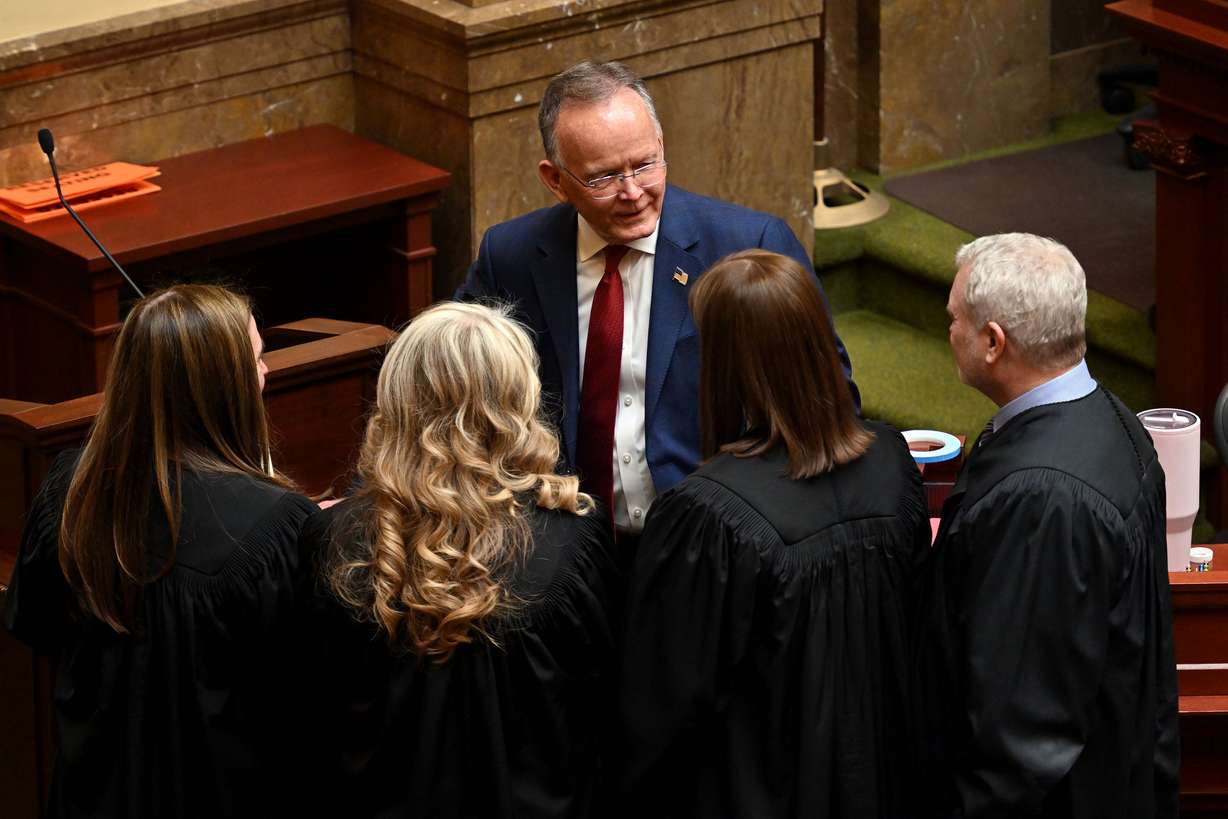
"This is not a hypothetical concern," the press release said. "A fair court system requires judges to decide on cases based on the law and the Constitution, not on fear of political retaliation. When lawmakers gain the power to subjectively determine whether judges may continue to serve, courts can no longer serve as a meaningful check on government power."
Despite concerns, both bills passed the committee 7-2, with Rep. Andrew Stoddard, D-Sandy, and Rep. Sandra Hollins, D-Salt Lake City, voting against each.
Committee chairman, Rep. Ryan D. Wilcox, R-Ogden, concluded the meeting by telling those who publicly commented that though he is "fully aware" of the seriousness of these bills surrounding changes to the judiciary, "We'd get a lot further assuming good intent and understanding where someone's coming from, than we do assuming the opposite, even if it's somebody we disagree with."
"If you're seeking to sway a panel or a legislator in the future, maybe start with that, that'd probably work better," Wilcox said.