'%3e%3cpath%20d='M34.1406%205.85938C30.3906%202.10547%2025.3047%200%2020%200C14.6953%200%209.60938%202.10547%205.85938%205.85938C2.10938%209.61328%200%2014.6953%200%2020C0%2025.3047%202.10547%2030.3906%205.85938%2034.1406C9.61328%2037.8906%2014.6953%2040%2020%2040C25.3047%2040%2030.3906%2037.8945%2034.1406%2034.1406C37.8906%2030.3906%2040%2025.3047%2040%2020C40%2014.6953%2037.8945%209.60938%2034.1406%205.85938ZM37.0117%2023.543H31.1602V13.5391H27.6328V19.9414C28.1211%2020.6914%2028.3711%2021.582%2028.3711%2022.5625V22.625C28.3711%2023.668%2028.1172%2024.6055%2027.6328%2025.4297V26.6094H36.082C33.4883%2032.9375%2027.2891%2037.3789%2020.0039%2037.3789C10.3711%2037.3789%202.62109%2029.6289%202.62109%2020C2.62109%2010.3711%2010.3711%202.62109%2020%202.62109C29.6289%202.62109%2037.3789%2010.3711%2037.3789%2020C37.3789%2021.1484%2037.2617%2022.2656%2037.0508%2023.3477C37.0391%2023.4141%2037.0234%2023.4766%2037.0117%2023.543Z'%20fill='white'/%3e%3cpath%20d='M22.3086%2018.5352C20.4336%2018.125%2019.9531%2017.8398%2019.9766%2017.1836V17.1406C19.9766%2016.6992%2020.3477%2016.2148%2021.4023%2016.2148C22.582%2016.2148%2023.8867%2016.6797%2025.0781%2017.4766L26.8516%2015.0195C25.4453%2013.8906%2023.707%2013.3398%2021.5547%2013.3398C18.5195%2013.3398%2016.4375%2015%2016.4063%2017.4766V17.5352C16.3633%2020.2617%2018.5859%2020.9805%2021.293%2021.6016C23.0391%2021.9766%2023.5703%2022.3164%2023.5703%2022.9609L23.5469%2022.9766C23.5469%2023.3906%2023.2578%2023.7031%2022.7852%2023.8359C22.5742%2023.9062%2022.1289%2023.9727%2021.5156%2023.9727C20.7617%2023.9727%2019.7539%2023.8633%2018.6328%2023.4844C18.0898%2023.2891%2017.4727%2023.0039%2016.8047%2022.6133L20.1406%2026.625C20.2813%2026.6602%2021.0977%2026.8516%2021.7734%2026.8516C25.0039%2026.8516%2027.0859%2025.2461%2027.1094%2022.6328V22.5703C27.1602%2020.1133%2025.2148%2019.1719%2022.3086%2018.5352Z'%20fill='white'/%3e%3cpath%20d='M5.24219%2013.5664V26.6133H8.75391V23.7578L10.2969%2021.9531L14.2031%2026.6133H18.3867L12.3555%2019.5195L17.4023%2013.5664H13.4531L8.75391%2019.0586V13.5664H5.24219Z'%20fill='white'/%3e%3c/g%3e%3cdefs%3e%3cclipPath%20id='clip0_97_2430'%3e%3crect%20width='40'%20height='40'%20fill='white'/%3e%3c/clipPath%3e%3c/defs%3e%3c/svg%3e)


- Salt Lake City leaders consider a public infrastructure district for Granary District block.
- Silo Park aims to add over 700 housing units and 100,000 square feet of retail.
- Developers are seeking the district to help finance infrastructure needs for the massive project.
SALT LAKE CITY — A prominent development duo is seeking to secure a new tool similar to what the owners of the Utah Jazz and Mammoth received for downtown development, as their companies continue a massive overhaul near downtown Salt Lake City.
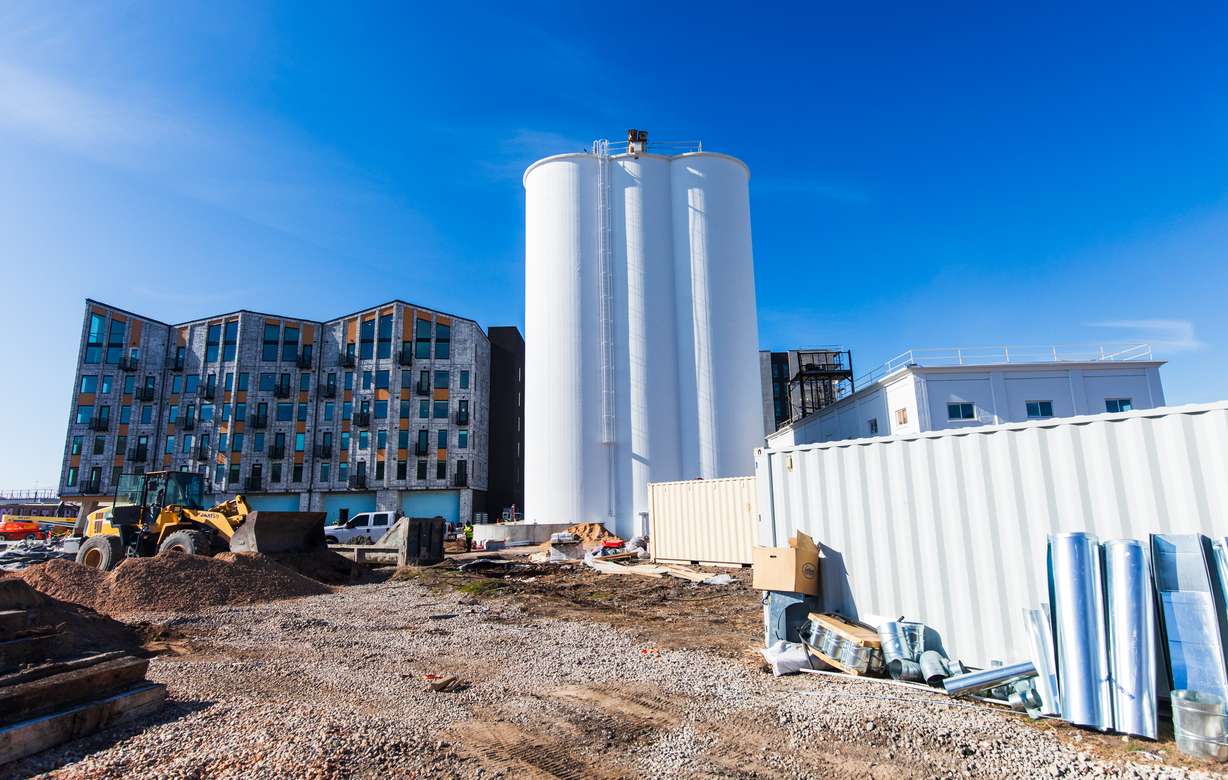
Salt Lake leaders are considering a proposed public infrastructure district centered around "Silo Park," a series of new apartment projects near 470 W. 600 South in the city's fast-growing Granary District. Project leaders, led by Blaser Ventures and Lowe Property Group, filed a petition to create the Silo Park Public Infrastructure District in November.
If approved by the city, it would help finance the construction of important infrastructure in the area that's quickly switching from industrial to residential as interest in downtown development spills into areas surrounding it.
Silo Park includes multiple buildings surrounding historic silos on the block, seeking to add over 700 more units to the Granary District, per the developers. This includes more affordable and "workforce" housing. It also calls for nearly 100,000 square feet in commercial and retail space, as well as approximately 16,000 square feet in community park space.
Creating a public infrastructure district would help build water and sewer lines, as well as an interior park and parking structures within the project area, said Jonathan Hardy, director of affordable housing for Blaser Ventures, as the team presented its proposal to the Salt Lake City Council on Tuesday.
A public infrastructure district is relatively new, created by the Utah Legislature in 2019.
It allows cities, counties and developmental authorities to form separate entities that can issue bonds to finance new infrastructure that's used for public use. Those bonds can be repaid through special taxes within the defined district or by tax increments, an increase in property value from new development in the area.
"(They) are traditionally created as a financing tool for these developments to bond against," said Kate Werrett, a policy analyst for Salt Lake City, as she explained the concept to city leaders, adding that the city would be free of any financial or legal obligations within the district.
The state created one for the Utah Inland Port, but Salt Lake City first went through its process with these types of districts when it approved one last year for Smith Entertainment Group's plans for redevelopment next to the Delta Center.
The proposed Silo Park district falls within the Salt Lake Central Housing and Transit Reinvestment Zone, which can also use tax increments for new development in the area south and west of downtown.
In this case, it can take a mixture of tax increments from the reinvestment zone and taxing within the district, said Aaron Wade, an attorney at Gilmore Bell, a firm representing the proposed district. He points out that it allows for tax exemptions that can lower interest rates and add more money for housing development, among other benefits.
"I think it's a great tool to still be able to use the tax exemption without the city coming and being the obligor on the debt, and issuing the bonds," he said.
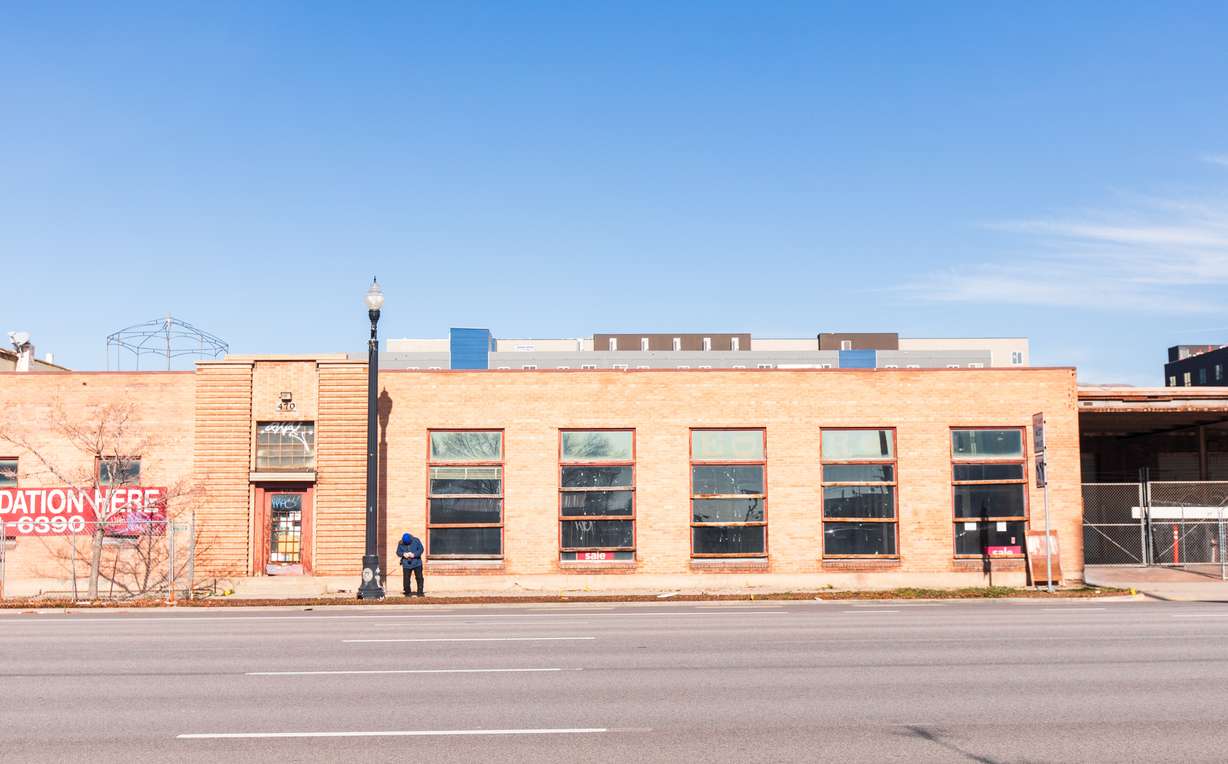
The Silo Park district would not include the Post District, a project that Blaser and Lowe constructed to the east, which was completed in 2024, Hardy said.
The massive undertaking is also tapping into funds from the Low-Income Housing Tax Credit program, as well as the opportunity zones, as the Post District did. Those are federal financial tools to add more affordable housing and to bring economic improvements to blighted areas.
Salt Lake City Council Chairman Alejandro Puy said he's well aware of the infrastructure needs in the Granary District, but he said the city is also wary of any unfinished construction. Those are elements the city will consider.
The City Council held a public hearing on the proposal Tuesday night, but it failed to receive any feedback. There's no statutory deadline to reach an agreement, unlike the downtown district, Werrett said.