- Rep. Logan Monson proposes HB113 to penalize false emergency reports in Utah.
- The bill aims to address misuse of 911 calls that potentially cause harm or delays.
- Critics argue it could unfairly impact rural residents due to its unpredictable circumstances.
SALT LAKE CITY — A Utah lawmaker wants to stiffen penalties for people who call 911 when they don't really need help.
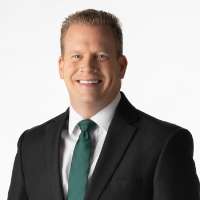
A new bill from Rep. Logan Monson, R-Blanding, stems from an incident in his district in which a man who needed an ambulance went without one.
"When 911 is called, and it's abused or misused, it puts lives in danger," Monson said.
A man who was having a heart attack in July 2025 was taken to the hospital on a flatbed truck because the ambulance was on another call.
That other call, it turned out, was not an emergency.
Chris Lehi, 61, was later charged with a misdemeanor for summoning an ambulance that day when it wasn't needed. According to a police report, Lehi called 911 on July 19, "requesting an ambulance for a foot problem. He was quickly released with no injury or swelling, and observed walking the streets later that day."
According to police, Lehi had called 911 the day before for the same thing. In fact, he made more than 40 calls for medical help over 2024 and 2025, police said.
"As we got talking to more people, we quickly learned that this is not just a one-off thing," Monson said. "This is happening in lots of places where people need a ride somewhere, or they need help doing something at their home that they're not able to do, so they call 911."
Monson, who works as a nurse, said he's witnessed it himself in the health care field. Now he's sponsoring H.B.113, which would make it a third-degree felony if someone falsely reports an emergency multiple times – or if doing it causes harm to someone else. That would rise to a second-degree felony if someone is seriously injured or dies as a result.
"I think that this is a way to just weed out the abuse that's happening," Monson said.
But opponents said the proposal could be problematic.
"As it is written, a person would face increased penalties due to circumstances that they would have no way of predicting," said David Ferguson, executive director of the Utah Association of Criminal Defense Lawyers. "False reporting is a serious issue, but the level of punishment a person receives should not be governed by what some other people might be doing miles away at the exact same time."
Ferguson added that the bill would "disproportionately harm rural Utahns who are more likely to be caught up by these chance circumstances. The bill clashes with foundational principles of criminal responsibility."
Ben Armstrong, president of the Rural EMS Directors Association of Utah, said abuse of the 911 system happens in both rural and urban areas.
"While it can be challenging in rural areas to differentiate between high utilization related to lack of access to social resources versus true system abuse, we support policies which discourage intentional misuse of our vital emergency resources," Armstrong said. "We thank Rep. Monson for his leadership on this issue."
Monson said he's open to revising the bill as he meets with people during the legislative session, which begins on Tuesday. But his goal remains the same.
"This is targeting abuse that's intentional," Monson said. "We're not looking to punish honest mistakes."