Estimated read time: 3-4 minutes
- Nearly 9 in 10 U.S. adults report holiday stress, says the American Psychological Association.
- Counselor Deanna Weeks suggests self-compassion and simple habits to manage stress.
- Shanti Neal finds joy through personal rituals and embracing what she can control during the holidays.
SALT LAKE CITY — The holidays can be a joyful time, but they can also bring pressure with gift lists, travel plans, financial strain and family expectations. According to the American Psychological Association, nearly 9 in 10 U.S. adults report feeling stressed during the holiday season.
"The world makes us feel like we have to have family around us, and we have to be buying everything and we have to be in the hustle and bustle of crowds," said Shanti Neal, of Millcreek.
Neal is a single mom who said the season brings both joy and difficult emotions — especially when she's away from her kids.
"We always sat by the fire, we always sat by the tree opening presents together, and then when you have to split it up and you can't do it with them — I've really stressed out about that," she said.
Deanna Weeks, a clinical mental health counselor with Intermountain Health, said these emotions are extremely common.
The holidays intensify whatever we're already feeling
"I often say the holidays intensify whatever's happening (in) our life. So if we're happy, the holidays can be magical. And if we're not — we're struggling — the holidays can be a really difficult time for people," Weeks said. "The first thing we want to do is acknowledge those feelings and then apply some self-compassion."
Weeks said simple habits like getting enough sleep, sunlight, good nutrition and movement can make a real difference.
"We need to do that all year, but especially this time of year; those things do get impacted," she said.
Weeks also recommends going into gatherings with a plan.
"If it starts to feel off, maybe I'm going to take a break, go to the bathroom for two minutes, run your hands under cold water and just breathe," she said. "Bring yourself back down to baseline and then reenter."
She added that lowering expectations can help create a more peaceful season.
"It's OK to say 'no' to an invitation," she said. "It's OK to adjust a tradition if it feels overwhelming. Let good enough be good enough this year."
Finding joy in your own way
For Neal, caring for her well-being has become essential. She starts many of her mornings with a sound bath, playing her drum or flute, and a few quiet minutes with a book.
"It literally just grounds me," she said.
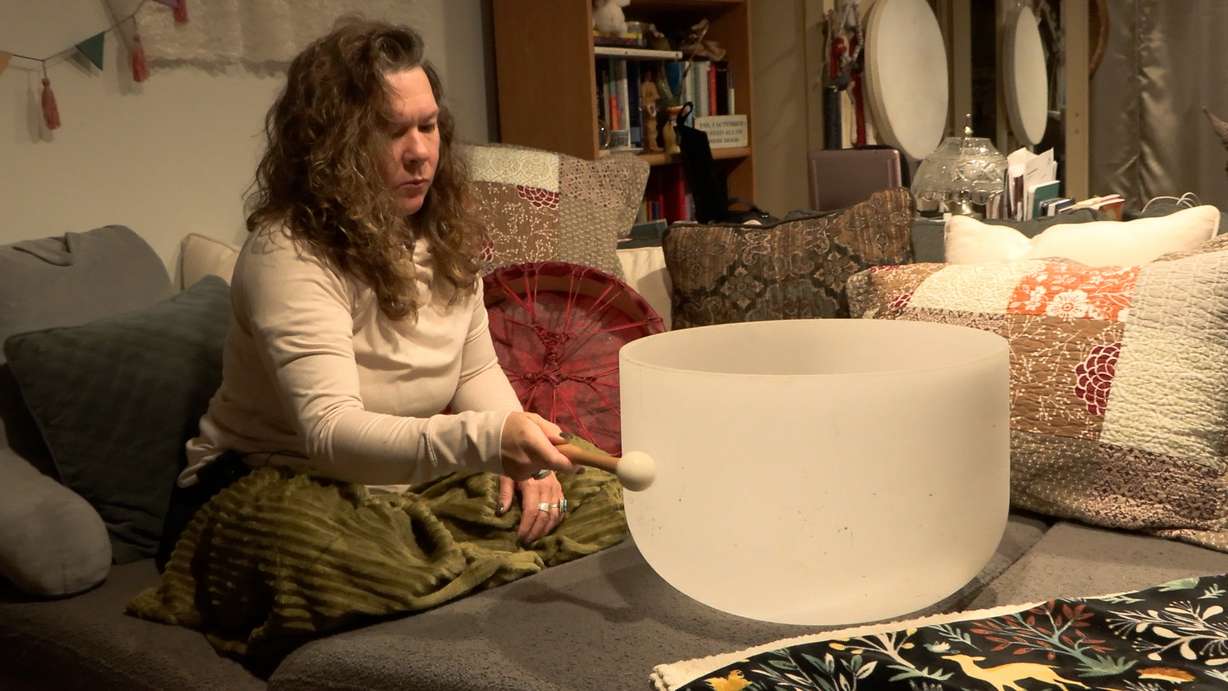
She also runs a dog hiking and grooming business, Shanti and Me, and loves spending time outdoors. Neal said she's learned to enjoy her own company — including going to the movies alone — and embrace the parts of the holiday season she can control.
"I do things that make me happy," she said. "So I've been able to create a very level-headed, loving relationship with myself. And it has opened up other ways of enjoying the holidays."
Stress vs. seasonal depression
Feeling stressed or down around the holidays is normal, but sometimes these emotions may signal seasonal depression, also known as seasonal affective disorder.
Signs it might be more than holiday stress:
- Persistent sadness or irritability most of the day.
- Loss of interest or pleasure in activities you normally enjoy.
- Changes in sleep or appetite.
- Low energy or fatigue that doesn't improve with rest.
- Difficulty concentrating or feeling hopeless.
"Starting with your primary care physician is always a good recommendation — let them know you're struggling," Weeks said.
Reaching out for support is always OK if you need it. If you're feeling stretched this time of year, you can call or text 988 any time to reach the Suicide & Crisis Lifeline. It's free, confidential and available even if you just need someone to talk to.
Utah also has a Warm Line that's staffed with peer specialists who have dealt with mental health or substance abuse issues of their own. Call 1-833-SPEAKUT (1-833-773-2588).
Suicide prevention resources
If you or someone you know is struggling with thoughts of suicide, call 988 to connect with the 988 Suicide and Crisis Lifeline.
Crisis hotlines
- Huntsman Mental Health Institute Crisis Line: 801-587-3000
- SafeUT Crisis Line: 833-372-3388
- 988 Suicide and Crisis LifeLine at 988
- Trevor Project Hotline for LGBTQ teens: 1-866-488-7386
Online resources
- NAMI Utah: namiut.org
- SafeUT: safeut.org
- Suicide and Crisis Lifeline: 988lifeline.org
- American Foundation for Suicide Prevention, Utah chapter: afsp.org/chapter/utah

Photos
Most recent Your Life - Your Health stories
Related topics
 Emma Benson