'%3e%3cpath%20d='M34.1406%205.85938C30.3906%202.10547%2025.3047%200%2020%200C14.6953%200%209.60938%202.10547%205.85938%205.85938C2.10938%209.61328%200%2014.6953%200%2020C0%2025.3047%202.10547%2030.3906%205.85938%2034.1406C9.61328%2037.8906%2014.6953%2040%2020%2040C25.3047%2040%2030.3906%2037.8945%2034.1406%2034.1406C37.8906%2030.3906%2040%2025.3047%2040%2020C40%2014.6953%2037.8945%209.60938%2034.1406%205.85938ZM37.0117%2023.543H31.1602V13.5391H27.6328V19.9414C28.1211%2020.6914%2028.3711%2021.582%2028.3711%2022.5625V22.625C28.3711%2023.668%2028.1172%2024.6055%2027.6328%2025.4297V26.6094H36.082C33.4883%2032.9375%2027.2891%2037.3789%2020.0039%2037.3789C10.3711%2037.3789%202.62109%2029.6289%202.62109%2020C2.62109%2010.3711%2010.3711%202.62109%2020%202.62109C29.6289%202.62109%2037.3789%2010.3711%2037.3789%2020C37.3789%2021.1484%2037.2617%2022.2656%2037.0508%2023.3477C37.0391%2023.4141%2037.0234%2023.4766%2037.0117%2023.543Z'%20fill='white'/%3e%3cpath%20d='M22.3086%2018.5352C20.4336%2018.125%2019.9531%2017.8398%2019.9766%2017.1836V17.1406C19.9766%2016.6992%2020.3477%2016.2148%2021.4023%2016.2148C22.582%2016.2148%2023.8867%2016.6797%2025.0781%2017.4766L26.8516%2015.0195C25.4453%2013.8906%2023.707%2013.3398%2021.5547%2013.3398C18.5195%2013.3398%2016.4375%2015%2016.4063%2017.4766V17.5352C16.3633%2020.2617%2018.5859%2020.9805%2021.293%2021.6016C23.0391%2021.9766%2023.5703%2022.3164%2023.5703%2022.9609L23.5469%2022.9766C23.5469%2023.3906%2023.2578%2023.7031%2022.7852%2023.8359C22.5742%2023.9062%2022.1289%2023.9727%2021.5156%2023.9727C20.7617%2023.9727%2019.7539%2023.8633%2018.6328%2023.4844C18.0898%2023.2891%2017.4727%2023.0039%2016.8047%2022.6133L20.1406%2026.625C20.2813%2026.6602%2021.0977%2026.8516%2021.7734%2026.8516C25.0039%2026.8516%2027.0859%2025.2461%2027.1094%2022.6328V22.5703C27.1602%2020.1133%2025.2148%2019.1719%2022.3086%2018.5352Z'%20fill='white'/%3e%3cpath%20d='M5.24219%2013.5664V26.6133H8.75391V23.7578L10.2969%2021.9531L14.2031%2026.6133H18.3867L12.3555%2019.5195L17.4023%2013.5664H13.4531L8.75391%2019.0586V13.5664H5.24219Z'%20fill='white'/%3e%3c/g%3e%3cdefs%3e%3cclipPath%20id='clip0_97_2430'%3e%3crect%20width='40'%20height='40'%20fill='white'/%3e%3c/clipPath%3e%3c/defs%3e%3c/svg%3e)


Estimated read time: 3-4 minutes
- The IOC will decide on transgender athlete participation by early next year.
- IOC President Coventry aims to protect the female category in sports competitions.
- The decision may replace the 2021 framework on gender identity and sex variations.
SALT LAKE CITY — An International Olympic Committee decision on how to "protect the female category" in sports competition is coming soon.
That's according to IOC President Kirsty Coventry, who convened a working group after taking office in June to reconsider the IOC's current policy allowing international sports federations to determine if transgender athletes can compete.
The IOC's first woman and first African leader said at an online news conference Wednesday following this week's Executive Board meetings that she doesn't want to "try and constrain, maybe is the right word, the working group by saying they need to have a specific deadline."
But after hearing an update from the working group, Coventry said she's "really hopeful in the next couple of months and definitely within the first quarter of next year that we will have a very clear decision and way forward. Which I think we're all looking forward to."
The process is taking some time because the IOC is trying to "ensure that we've spoken to all stakeholders and that we've really taken adequate time to cross the 'T's and dot the 'I's" on the issue, she said, but "the group is working extremely well."

Trying to find consensus on transgender athlete participation
What's ultimately decided could replace the IOC's "Framework on Fairness, Inclusion and Non-Discrimination on the Basis of Gender Identity and Sex Variations" adopted in 2021. Coventry has said IOC members "overwhelmingly" believe they "should protect the female category."
Asked about the ability to meet that goal without limiting the rights of transgender athletes, she acknowledged it's going to be difficult.
"We're going to find ways of trying to find a consensus that has all aspects covered. Maybe (it's) not going to be the easiest thing to do but we are going to try our best to ensure that when we are talking about the female category, we are protecting the female category," Coventry said.
It's something she said she'd like to see accomplished "in the most fair way and in finding a consensus for everybody to at least believe in and get behind it."
When it comes to transgender athletes participating in sports at a grassroots level, the Olympic champion swimmer from Zimbabwe has already made up her mind.
"I think we've always been so clear on this, that sport is at grassroots level and in any form of recreation, is for everybody. And sport, you should have access for everybody to partake," Coventry said. "That stance is never going to change."
The working group, whose membership has not been made public, is one of several she's created to conduct sweeping reviews of everything from the bidding process used to select Olympic hosts to whether traditionally summer sports could be added to the Winter Games.
Actions already taken by President Trump and U.S. Olympic officials
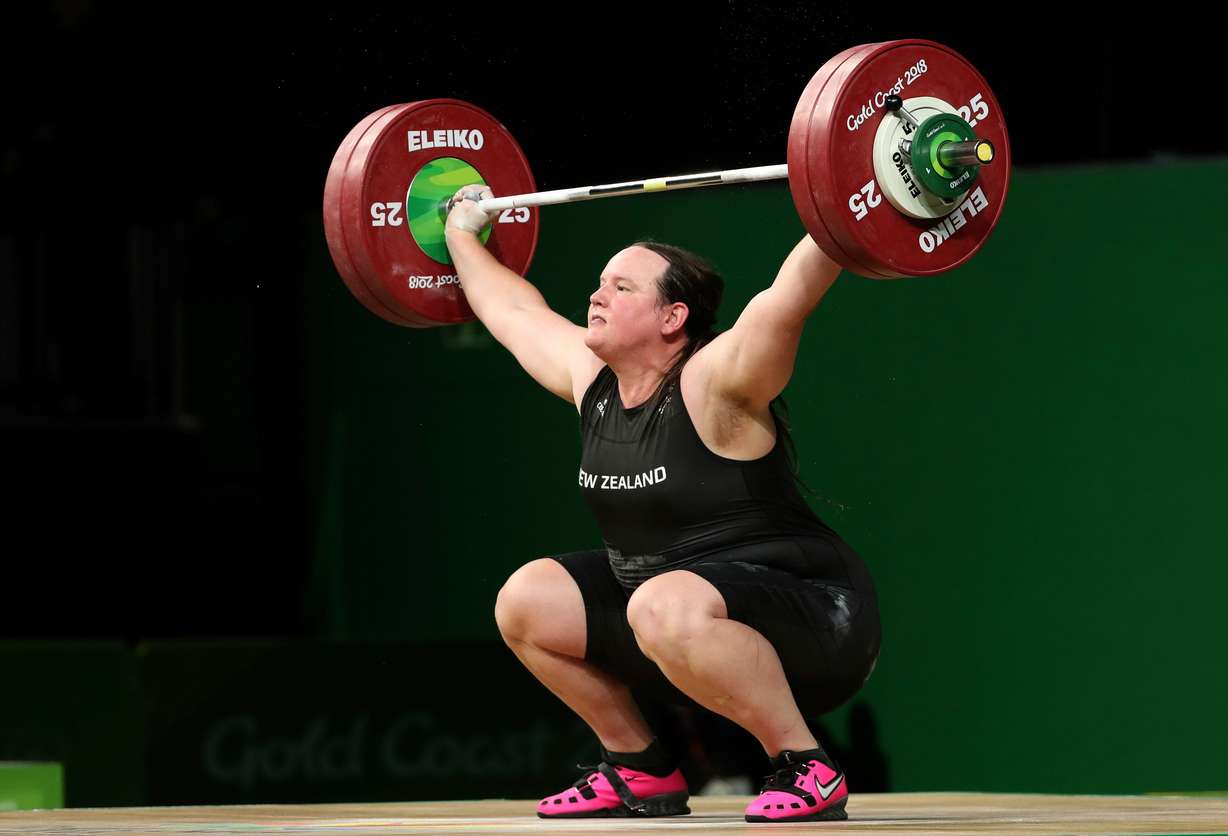
The effort to reexamine transgender athlete participation follows the controversy surrounding two women boxers at the 2024 Summer Games in Paris whose gender has been questioned by some.
This year, the U.S. Olympic and Paralympic Committee banned transgender athletes from competing in women's Olympic sports, citing the need to be consistent with an executive order from President Donald Trump.
Trump's executive order, titled "Keeping Men Out Of Women's Sports," was signed in February and is intended to prevent transgender females from competing in all sporting events, including the Olympics.
The 2028 Summer Games are being held in Los Angeles, and the 2034 Winter Games in Utah.
The executive order calls for the federal agencies that oversee visas and border entry to prevent foreign males seeking "to participate in women's sports" from entering the country "to the extent permitted by law."
It also directs the U.S. secretary of State to "use all appropriate and available measures" to get the IOC to set eligibility for participation in women's sporting events "according to sex and not gender identity or testosterone reduction."