- Gov. Spencer Cox proposes $50M for homelessness in Utah's 2027 fiscal year budget.
- The request includes money for the Other Side Village and the construction of a new state homeless services campus.
- Salt Lake City's mayor expresses support for any money directed to homeless services.
SALT LAKE CITY — Despite federal cuts that have put Utah in a position to handle a "tight budget" for the next fiscal year, Gov. Spencer Cox and his cabinet remain optimistic they can receive federal help in addressing the state's growing homelessness issue.
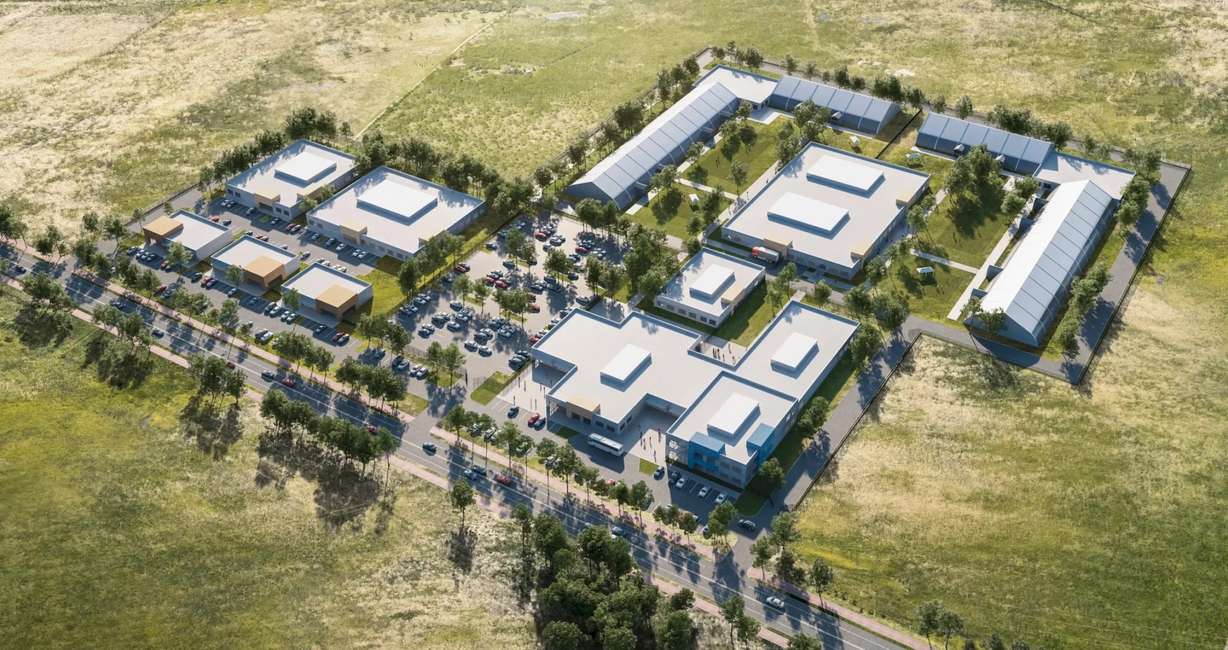
Cox released his proposed 2027 fiscal year budget on Wednesday, which recommends that the Utah Legislature appropriate $25 million in one-time funds for capital projects and $20 million in ongoing funding to address homelessness services. That includes funds needed to build a new 1,300-bed state homeless services campus within Salt Lake City's Northpoint community, although state leaders are still unsure what that project will look like.
The governor is also requesting that another $5 million go toward the expansion of the Other Side Village in Salt Lake City, a project that's already open and offering similar services to the planned state facility.
A new homeless campus?
The budget book specifically lists $45 million in one-time and ongoing funding for "homelessness and criminal justice high utilizers." That's in reference to the "high utilizers of the criminal justice system," which includes the intent to build the campus in some form, said Sophia DiCaro, executive director of the Governor's Office of Planning and Budget.
Some of the details will likely require feedback from the court system, the Utah departments of corrections and public safety and various providers before it's clear what types of services are provided at the facility, she added.
The Utah Office of Homeless Services announced it had reached a contractual agreement to acquire nearly 16 acres for that facility in September, following a requirement included in a bill Utah lawmakers passed in the final hours of this year's legislative session. The facility is expected to include support and treatment options to help individuals find employment and housing opportunities, as well as addiction recovery and criminal justice assistance, if needed.
It could open as early as 2027, depending on the funding secured in next year's legislative session, project officials said last month.
Cox's decision to recommend project funding isn't much of a surprise. He told reporters last week that he would include it in his budget request because he believes the project is "critical" for the state.
There were a little more than 4,500 people experiencing homelessness across Utah during the state's 2025 point-in-time count, marking an 18% year-over-year increase. About half of all people experiencing homelessness and nearly 80% of people experiencing chronic homelessness were living in Salt Lake County, where most of the state's resources are.
"We've seen what doesn't work, and what doesn't work is just letting people kill themselves slowly on our streets, and making our streets and parks unsafe for people and for families," he said. "You can't run a society like that. ... We have to get people help."
Yet, the campus proposal has sparked concerns for various reasons, ranging from environmental concerns to safety issues to the project itself not delivering as promised.
"Proposing a shelter that would somehow be a 'one size fits all' isn't realistic in any way," said Pastor Dusty Trent of Murray Baptist Church, who once dealt with drug addiction and homelessness, adding that the state would be better off spending the money on "things that would prevent people from becoming homeless in the first place."
What's included in the budget request is "a small fraction of what it would cost" to build a facility of its type," added Bill Tibbitts, deputy executive director of the Crossroads Urban Center, in a statement to KSL.com.
Cox said that's true, and local governments are "going to have to play a role in that" as they historically have. The private sector may also help in funding the project on top of potential federal assistance.
The uncertainty of what the campus model will look like has raised worries among Salt Lake City leaders when the Utah Office of Homeless Services offered an update on the project last month. Still, Salt Lake City Mayor Erin Mendenhall said she's thrilled that money could go toward the project or other services that help people experiencing homelessness.
"I'm very appreciative of any funding dedicated to homeless services and sheltered services," she told KSL.com in response to the budget proposal. "We don't yet know what (the campus) will feature in terms of services and shelter, but we know everyone wants it to be transformational."
Ongoing funding, she adds, is important because building the campus is only half the battle. It takes money and resources to offer the types of services that end chronic homelessness. The costs of not offering those services can be overwhelming, especially if people experiencing homelessness end up in health care or criminal justice facilities, state officials explained in their presentation.
Tapping into outside help?
Although the state is planning for a major shortfall tied to federal budget cuts, Cox's administration says it sees "federal grant opportunities" opening up through President Donald Trump's July executive order to address "crime and disorder" on U.S. streets.
DiCaro points to the U.S. Department of Housing and Urban Development's Continuum of Care Program, which offers federal money for programs that "quickly rehouse homeless individuals," as one of these options.
"We definitely want to use (state funding) to leverage federal opportunities and leverage private contributions as well," she said.
Meanwhile, Salt Lake County has been working with The Leifman Group, a consulting firm headed by a former Miami-Dade County judge who gave Utah leaders a tour of programs out there a few years ago. The group is expected to present the county with its recommendations on how to address homelessness later this month.
That may also reshape the future of homeless services in the county.
"We're also encouraged by the collaboration that (Salt Lake County) is leading on exploring what the most efficient and effective use of those taxpayer dollars is across the system," Mendenhall said.