Estimated read time: 3-4 minutes
- Sen. John Curtis and Rep. Mike Kennedy propose the Algorithm Accountability Act to amend Section 230 to hold social platforms accountable for harm caused by algorithms.
- The bill mandates social media platforms exercise a duty of care with recommendation algorithms.
- Gov. Spencer Cox supports it as a national standard to protect users from harmful content.
SALT LAKE CITY — A pair of Utah lawmakers in Washington are pushing to amend a nearly 30-year-old law governing online communications to hold technology companies accountable for harms caused by algorithmic recommendations on social media and other platforms.
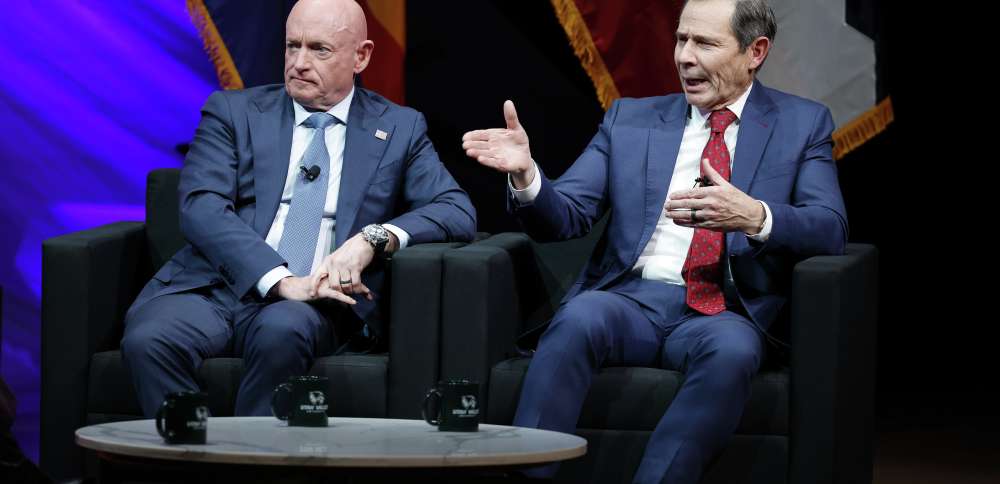
Sen. John Curtis, R-Utah, and Rep. Mike Kennedy, R-Utah, introduced the Algorithm Accountability Act last week, which they say would update Section 230 of the Communications Decency Act of 1996. That section provides liability for platforms for third-party content posted on their sites by users, but Curtis said the law is outdated and was built for a "very different internet."
"What began as a common sense protection for a fledgling industry has grown into a blanket immunity shield for some of the most powerful companies on the planet — companies that intentionally design algorithms that exploit user behavior, amplify dangerous content and keep people online at any cost," he said.
The bill would clarify that social media platforms "shall exercise reasonable care" in developing, testing and deploying recommendation-based algorithms "to prevent bodily injury or death," according to the bill text. It would allow victims to bring civil lawsuits against social media companies "when platforms negligently expose users to harmful or radicalizing content," a news release from Kennedy states.
"As a family doctor, I've seen how today's online environment can overwhelm my patients and contribute to serious challenges," Kennedy said. "Social media companies have built powerful algorithms that prioritize engagement and profit, too often overlooking their role in amplifying dangerous content."
In an op-ed published in the Wall Street Journal, Curtis invoked the assassination of conservative activist Charlie Kirk at Utah Valley University in September, arguing that "online platforms likely played a major role in radicalizing Kirk's alleged killer." The senator said he received an outpouring of messages from constituents who described a "vicious cycle of online hatred" and "isolation they feel on social media."
"The idea behind the Algorithm Accountability Act is simple: If companies use algorithms to influence the reach of content, they should bear responsibility when those algorithms negligently cause harm," he wrote. "We hold automakers accountable when a design flaw causes an accident. We hold pharmaceutical companies accountable when their products cause injury. There is no reason Big Tech should be treated differently."
The bill — which is cosponsored by a pair of Democrats: Sen. Mark Kelly of Arizona and Rep. April McClain Delaney of Maryland — is the latest in a bipartisan push to put more pressure on social media companies. Utah was the first state to enact laws requiring age verification and require platforms to enable protections for young users, though its law is temporarily on hold pending the outcome of a legal challenge.
Another recent law requires app stores to verify the ages of users and restrict underage Utahns from being able to download certain apps or sign contracts without parental consent.
Gov. Spencer Cox, one of the most vocal proponents of Utah's regulations, said he "fully" supports the Algorithm Accountability Act as a national standard to supplement Utah's own regulations. The bill will set a national standard, but allow states to enforce laws with equal or stronger regulations, according to a fact sheet from Curtis' office.
"Utah has led the nation in passing laws to protect children from the harms of social media, but these challenges don't stop at state lines. We need a national standard for accountability," Cox said. "By establishing a duty of care for social media platforms, this bill will help protect families across the country from the deceptive and addictive algorithmic designs that put profit above people. It's time for Congress to act."
The Senate version of the bill was assigned to the Senate Commerce, Science and Transportation Committee, while the House version will be heard by the House Energy and Commerce Committee.