'%3e%3cpath%20d='M34.1406%205.85938C30.3906%202.10547%2025.3047%200%2020%200C14.6953%200%209.60938%202.10547%205.85938%205.85938C2.10938%209.61328%200%2014.6953%200%2020C0%2025.3047%202.10547%2030.3906%205.85938%2034.1406C9.61328%2037.8906%2014.6953%2040%2020%2040C25.3047%2040%2030.3906%2037.8945%2034.1406%2034.1406C37.8906%2030.3906%2040%2025.3047%2040%2020C40%2014.6953%2037.8945%209.60938%2034.1406%205.85938ZM37.0117%2023.543H31.1602V13.5391H27.6328V19.9414C28.1211%2020.6914%2028.3711%2021.582%2028.3711%2022.5625V22.625C28.3711%2023.668%2028.1172%2024.6055%2027.6328%2025.4297V26.6094H36.082C33.4883%2032.9375%2027.2891%2037.3789%2020.0039%2037.3789C10.3711%2037.3789%202.62109%2029.6289%202.62109%2020C2.62109%2010.3711%2010.3711%202.62109%2020%202.62109C29.6289%202.62109%2037.3789%2010.3711%2037.3789%2020C37.3789%2021.1484%2037.2617%2022.2656%2037.0508%2023.3477C37.0391%2023.4141%2037.0234%2023.4766%2037.0117%2023.543Z'%20fill='white'/%3e%3cpath%20d='M22.3086%2018.5352C20.4336%2018.125%2019.9531%2017.8398%2019.9766%2017.1836V17.1406C19.9766%2016.6992%2020.3477%2016.2148%2021.4023%2016.2148C22.582%2016.2148%2023.8867%2016.6797%2025.0781%2017.4766L26.8516%2015.0195C25.4453%2013.8906%2023.707%2013.3398%2021.5547%2013.3398C18.5195%2013.3398%2016.4375%2015%2016.4063%2017.4766V17.5352C16.3633%2020.2617%2018.5859%2020.9805%2021.293%2021.6016C23.0391%2021.9766%2023.5703%2022.3164%2023.5703%2022.9609L23.5469%2022.9766C23.5469%2023.3906%2023.2578%2023.7031%2022.7852%2023.8359C22.5742%2023.9062%2022.1289%2023.9727%2021.5156%2023.9727C20.7617%2023.9727%2019.7539%2023.8633%2018.6328%2023.4844C18.0898%2023.2891%2017.4727%2023.0039%2016.8047%2022.6133L20.1406%2026.625C20.2813%2026.6602%2021.0977%2026.8516%2021.7734%2026.8516C25.0039%2026.8516%2027.0859%2025.2461%2027.1094%2022.6328V22.5703C27.1602%2020.1133%2025.2148%2019.1719%2022.3086%2018.5352Z'%20fill='white'/%3e%3cpath%20d='M5.24219%2013.5664V26.6133H8.75391V23.7578L10.2969%2021.9531L14.2031%2026.6133H18.3867L12.3555%2019.5195L17.4023%2013.5664H13.4531L8.75391%2019.0586V13.5664H5.24219Z'%20fill='white'/%3e%3c/g%3e%3cdefs%3e%3cclipPath%20id='clip0_97_2430'%3e%3crect%20width='40'%20height='40'%20fill='white'/%3e%3c/clipPath%3e%3c/defs%3e%3c/svg%3e)



Estimated read time: 4-5 minutes
This archived news story is available only for your personal, non-commercial use. Information in the story may be outdated or superseded by additional information. Reading or replaying the story in its archived form does not constitute a republication of the story.
- Gov. Spencer Cox promoted Utah's mining potential at Australia's IMARC conference.
- The U.S. and Australia signed an $8.5 billion critical minerals agreement.
- Utah's infrastructure and government support make it a strong mining partner.
SYDNEY, Australia — Global mining executive Bruce Richardson remembers being a kid and getting a bit bored eating his toast smeared with Vegemite — that distinctly Australian food spread made from leftover brewers' yeast.
So young Bruce would add a bit of honey to his Vegemite. Immediately, the toast was far more appetizing.
That harmonious Vegemite/honey blend doubles as an analogy in today's headline-grabbing world of critical minerals and rare-earth resources, said Richardson at Wednesday's International Mining and Resource Conference being hosted by Australia's largest city.
Vegemite, of course, is an Australian product. And Utah — the Beehive State – produces high-quality honey. For Richardson, they always taste better "working" together.
That same Australia/Utah compatibility, he said, applies to critical minerals mining. "We have complementary skills — we can work together."
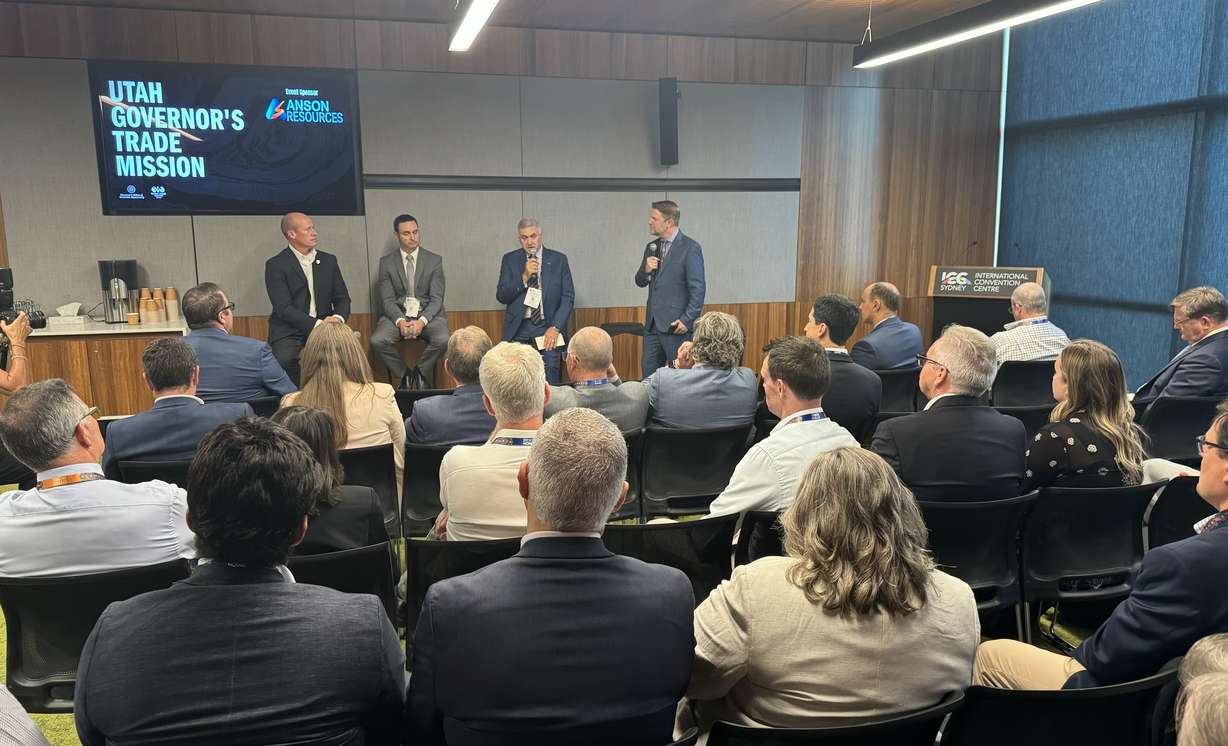
Richardson — who serves as the president/CEO of A1 Lithium Inc. in Utah's Paradox Basin — was part of an IMARC panel discussion Wednesday made up of several delegates from the World Trade Center Utah in Sydney for an ongoing trade mission.
Joining Richardson on the panel were Logan Shumway of White Mesa's Energy Fuels and Joel Ferry, the executive director of Utah's Department of Natural Resources.
The panel discussion was moderated by another delegate, Matt Schaub from Associated Universities Inc.
Their messages echoed what Utah Gov. Spencer Cox said earlier Wednesday in his plenary speech to conference participants from around the globe: For critical minerals mining, investment and innovation, Utah is open and eager for business.
Trump and Australia's leader fortify critical minerals partnership
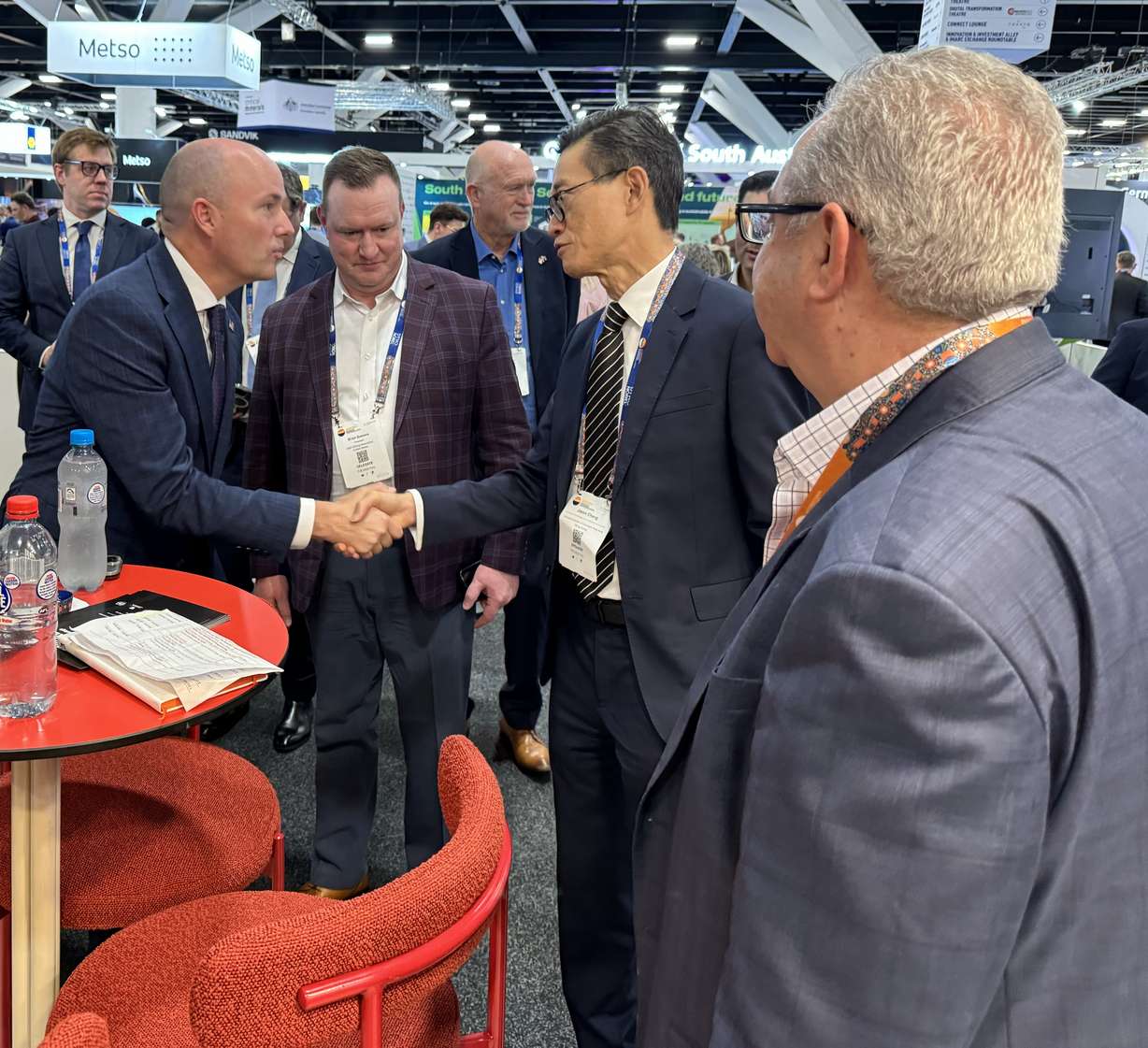
The World Trade Center Utah's 2025 trade mission to New Zealand and Australia has been in the works for several months.
So some call it serendipitous that the Utah delegation — which includes lawmakers, educators and industry leaders — would be participating in Australia's IMARC at a moment when critical and rare minerals are snagging global headlines.
On Monday, President Donald Trump and Australian Prime Minister Anthony Albanese signed an $8.5 billion critical minerals deal at the White House in an agreement designed to counter China's domination of the critical minerals market.
Critical minerals are vital to the United States and other developed nations because they are used in everything from fighter jets and electric vehicles to laptops and cellphones.
Earlier this month, Beijing announced that it will require foreign companies to get approval from the Chinese government to export magnets containing even trace amounts of rare-earth materials that originated from China or were produced with Chinese technology, the Associated Press reported.
The Trump administration says this gives China broad power over the global economy by controlling the tech supply chain.
"Australia is really, really going to be helpful in the effort to take the global economy and make it less risky, less exposed to the kind of rare earth extortion that we're seeing from the Chinese," Kevin Hassett, the director of the White House's National Economic Council, told reporters Monday morning ahead of Trump's meeting with Albanese.
The agreement could have an immediate impact on rare earth supplies in the United States if American companies can secure some of what Australian mines are already producing, although it will take years — if not decades — to develop enough of a supply of rare earths outside of China to reduce its dominance, the Associated Press reported.
The agreement, the Associated Press added, underscores how the U.S. is using its global allies to counter China, especially as it weaponizes its traditional dominance in rare earth materials. Top Trump officials have used the tactics from Beijing as a rallying cry for the U.S. and its allies to work together to try to minimize China's influence.
"China is a command-and-control economy, and we and our allies will neither be commanded nor controlled," Treasury Secretary Scott Bessent said last week. "They are a state economy, and we are not going to let a group of bureaucrats in Beijing try to manage the global supply chains."
During his roundtable discussion with his fellow World Trade Center delegates, Richardson said Utah is a capable, proven partner in the critical minerals industry.
"The Utah government has really stepped up and speeded up all their approval processes, which is very significant for us. Our market is now the United States — and now we're bringing in Asian companies as our partners to develop that."
Why is Utah an attractive critical minerals partner?
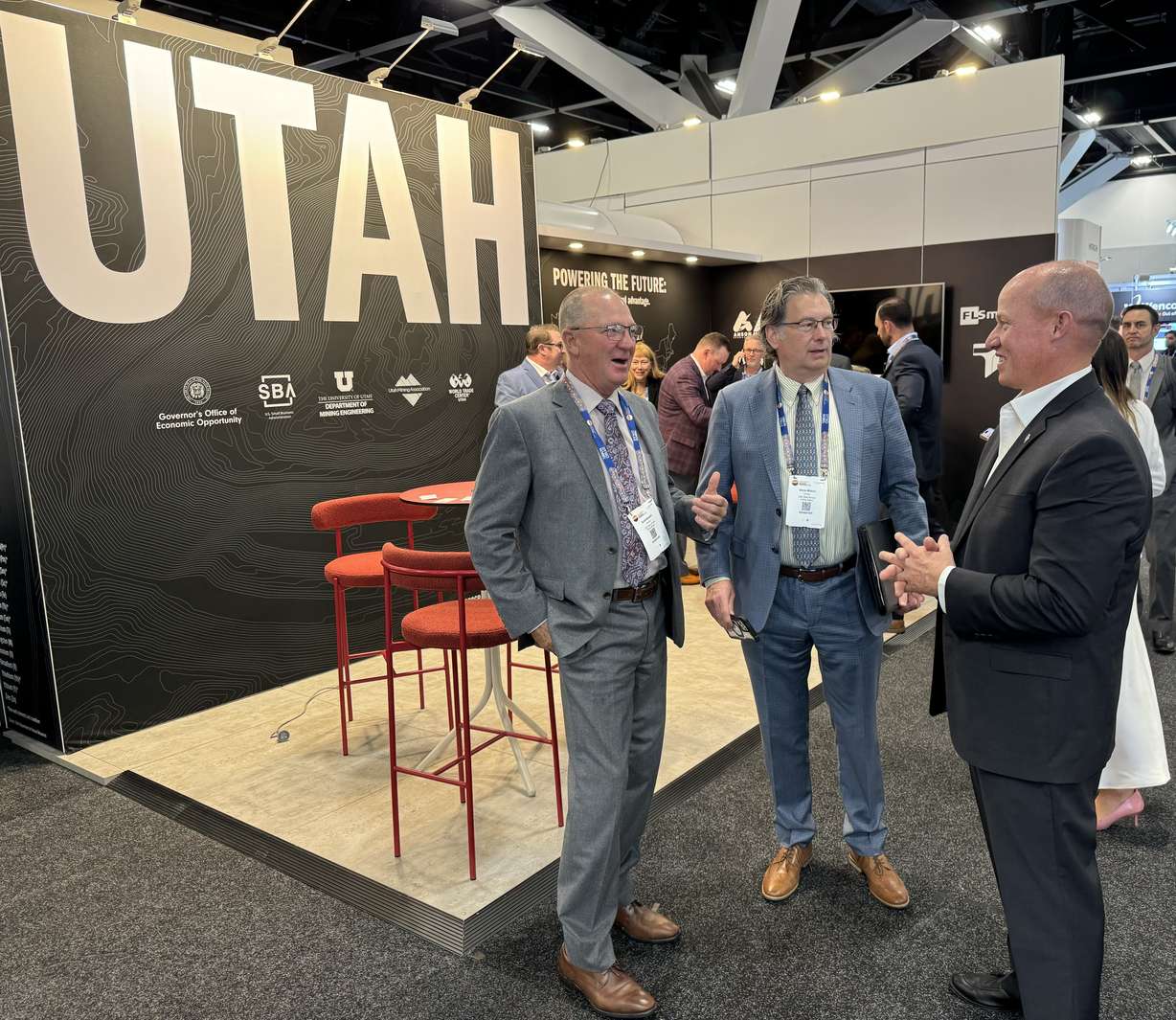
Utah's highly developed infrastructure makes it an ideal locale for critical mineral operations, said Richardson. There's power, water, roads and rail networks — all infrastructure luxuries not widely available in, say, western Australia.
And, he added, Utah's government and its citizens are proven allies.
Utah, said Shumway, makes for an ideal critical mineral partner.
"If you go to Utah, you'll just find a lot of people that are hard working, capable and competent," he said. "If you give them a project to work on, they'll do well with it. Hopefully we can turn Utah into a very well known and enhance our processing capabilities."
Following Wednesday's delegate roundtable, Ferry told the Deseret News that the ongoing trade mission is revealing global interest in Utah mining.
"Utah has a plethora of rare earth and critical minerals, and it's what's going to power our future. It's what's going to enable us to grow."