
- Elif Ekin emphasizes Turkish coffee's role in building relationships and community.
- Kahve Café in Salt Lake City offers traditional Turkish coffee and hospitality.
- Turkish fortune-telling with coffee grounds fosters reflection and connection among patrons.
SALT LAKE CITY — It's not just a cup of coffee. Not if your name, Elif, your family — and your coffee — is from Turkey.
"It's about building relationships. It's about getting to know people," Elif Ekin said.
As the coffee origin story goes, an Ethiopian goatherder noticed that when his animals ate certain berries, they didn't sleep at night. News of the berries spread to monks who used them to stay up late to pray.
Coffee made its way across the Red Sea and north to Turkey, where in 1475, opened the very first coffee shop. Cafes became places to gather for discourse, Ekin said, about politics, philosophy and religion.
Today, coffee is ingrained in Turkish culture, which puts great value on hospitality — something Ekin, who was born in Adana in southern Turkey, inherited.
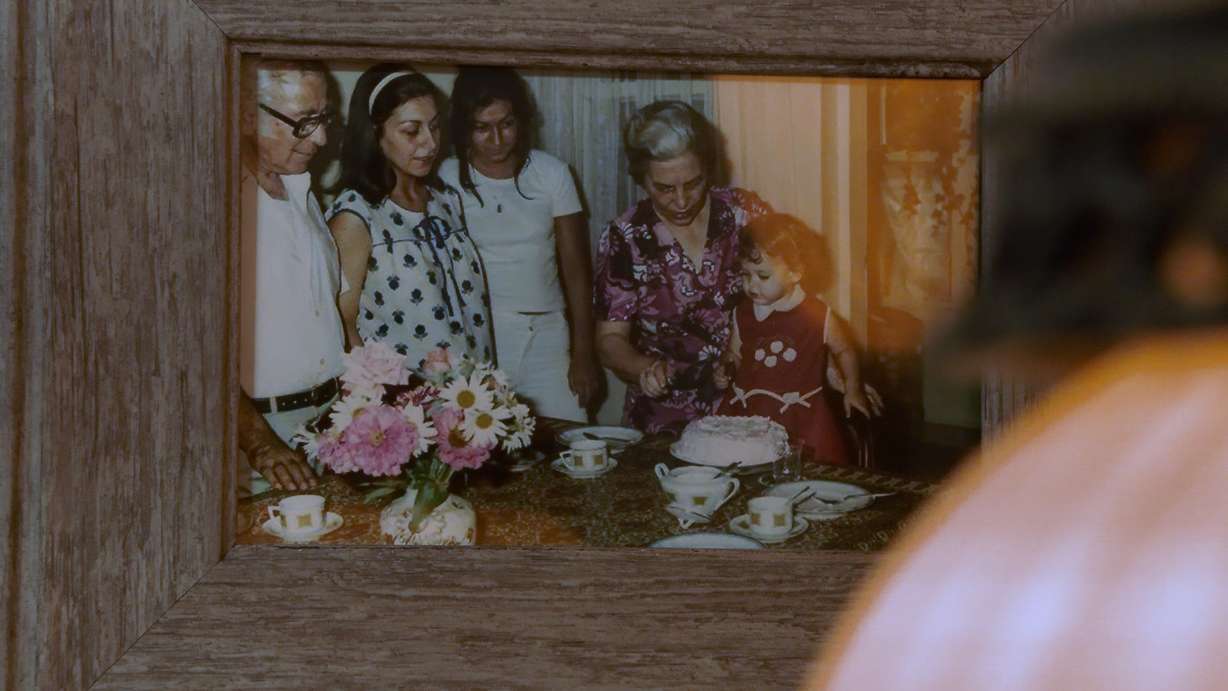
Pre-pandemic, once a month, she said she hosted a Turkish breakfast at her Salt Lake City home.
"And I would have strangers coming in and out all day long on a Sunday," she said. "I just needed a place to feed more people."
She got that when she opened Kahve Café in an old Victorian house in downtown Salt Lake.

"I'm not going to put a Turkish cafe in a strip mall," she said. "I like the element of being in a home because Turkish hospitality begins in the home."
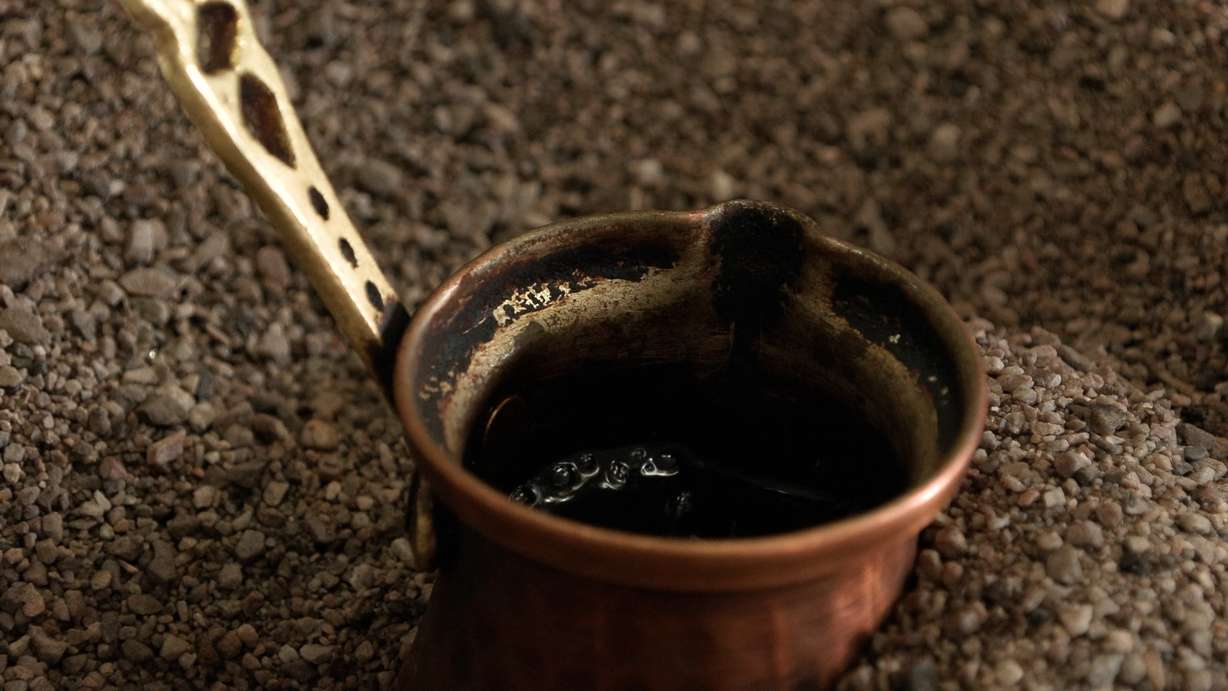
There, she brews coffee the Turkish way, with coffee and water together in a small, long-handled pot called an ibrik or cezve (pronounced JEZ-veh).
In the beginning in Turkey, people brewed coffee over a fire. Ekin does it in specialized Turkish coffee makers that heat a patch of sand to the required 350 degrees Fahrenheit.
When the coffee is gone, the leftover grounds become a key ingredient in a Turkish fortune-telling tradition. The saucer is placed on the cup and both are flipped upside down and the coffee grounds are "read."
Ekin recalled watching an aunt and her friends gathering for coffee and then trading cups and telling fortunes.
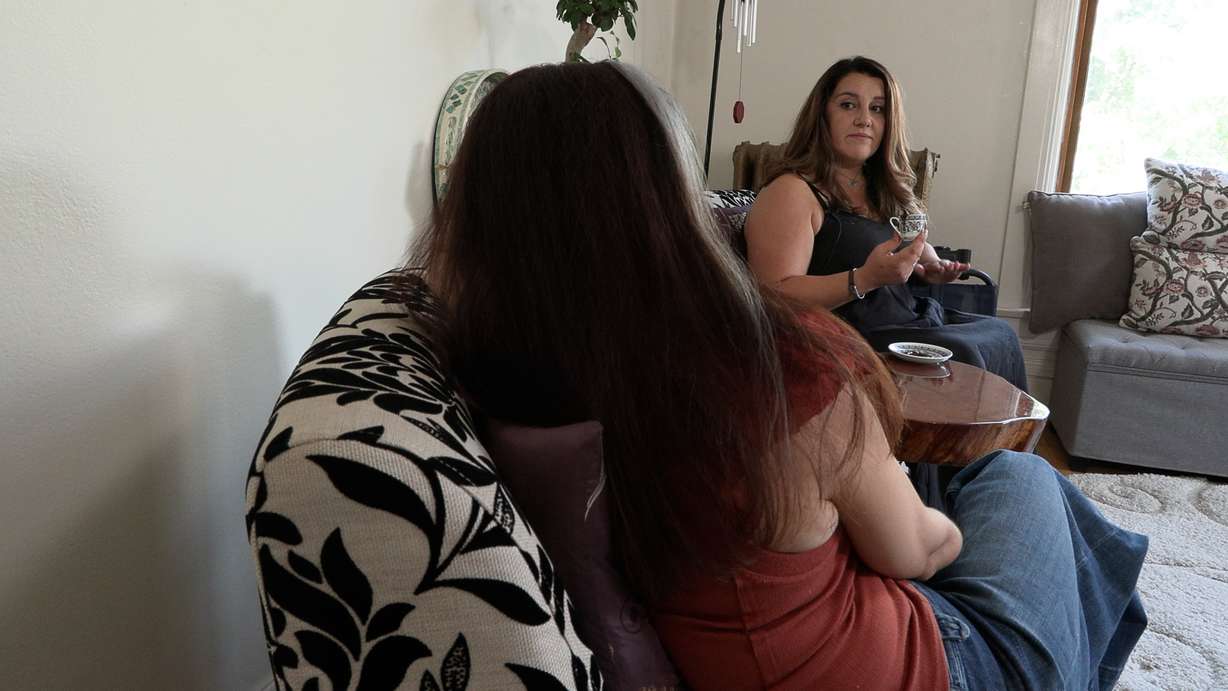
"It's just part of the whole every day culture that when you have a Turkish coffee cup, you turn it upside down and you read each other's coffee fortunes," she said.
Now her friend and Turkish transplant, Isil Hessick, also known as Ishelle, carries on the tradition at Ekin's café on weekends.
"It's not about predicting the future. (It's about) in this busy life sitting there and reflecting on choices and possibilities," Hessick said.
There is a Turkish saying, Ekin said, that one cup of coffee equals 40 years of friendship.
"You don't really have a cup of Turkish coffee on your own," she said. "So it really is about gathering with friends. It creates connection. Coffee's about community."