'%3e%3cpath%20d='M34.1406%205.85938C30.3906%202.10547%2025.3047%200%2020%200C14.6953%200%209.60938%202.10547%205.85938%205.85938C2.10938%209.61328%200%2014.6953%200%2020C0%2025.3047%202.10547%2030.3906%205.85938%2034.1406C9.61328%2037.8906%2014.6953%2040%2020%2040C25.3047%2040%2030.3906%2037.8945%2034.1406%2034.1406C37.8906%2030.3906%2040%2025.3047%2040%2020C40%2014.6953%2037.8945%209.60938%2034.1406%205.85938ZM37.0117%2023.543H31.1602V13.5391H27.6328V19.9414C28.1211%2020.6914%2028.3711%2021.582%2028.3711%2022.5625V22.625C28.3711%2023.668%2028.1172%2024.6055%2027.6328%2025.4297V26.6094H36.082C33.4883%2032.9375%2027.2891%2037.3789%2020.0039%2037.3789C10.3711%2037.3789%202.62109%2029.6289%202.62109%2020C2.62109%2010.3711%2010.3711%202.62109%2020%202.62109C29.6289%202.62109%2037.3789%2010.3711%2037.3789%2020C37.3789%2021.1484%2037.2617%2022.2656%2037.0508%2023.3477C37.0391%2023.4141%2037.0234%2023.4766%2037.0117%2023.543Z'%20fill='white'/%3e%3cpath%20d='M22.3086%2018.5352C20.4336%2018.125%2019.9531%2017.8398%2019.9766%2017.1836V17.1406C19.9766%2016.6992%2020.3477%2016.2148%2021.4023%2016.2148C22.582%2016.2148%2023.8867%2016.6797%2025.0781%2017.4766L26.8516%2015.0195C25.4453%2013.8906%2023.707%2013.3398%2021.5547%2013.3398C18.5195%2013.3398%2016.4375%2015%2016.4063%2017.4766V17.5352C16.3633%2020.2617%2018.5859%2020.9805%2021.293%2021.6016C23.0391%2021.9766%2023.5703%2022.3164%2023.5703%2022.9609L23.5469%2022.9766C23.5469%2023.3906%2023.2578%2023.7031%2022.7852%2023.8359C22.5742%2023.9062%2022.1289%2023.9727%2021.5156%2023.9727C20.7617%2023.9727%2019.7539%2023.8633%2018.6328%2023.4844C18.0898%2023.2891%2017.4727%2023.0039%2016.8047%2022.6133L20.1406%2026.625C20.2813%2026.6602%2021.0977%2026.8516%2021.7734%2026.8516C25.0039%2026.8516%2027.0859%2025.2461%2027.1094%2022.6328V22.5703C27.1602%2020.1133%2025.2148%2019.1719%2022.3086%2018.5352Z'%20fill='white'/%3e%3cpath%20d='M5.24219%2013.5664V26.6133H8.75391V23.7578L10.2969%2021.9531L14.2031%2026.6133H18.3867L12.3555%2019.5195L17.4023%2013.5664H13.4531L8.75391%2019.0586V13.5664H5.24219Z'%20fill='white'/%3e%3c/g%3e%3cdefs%3e%3cclipPath%20id='clip0_97_2430'%3e%3crect%20width='40'%20height='40'%20fill='white'/%3e%3c/clipPath%3e%3c/defs%3e%3c/svg%3e)


- Two Utah girls received life-saving liver transplants in a first-ever paired exchange.
- Marissa Kauffman and Eliana Tibbs faced liver failure; donors enabled their recovery.
- Dr. Jean F. Botha highlighted the rarity and success of this complex procedure.
SALT LAKE CITY — Marissa Kauffman and Eliana "Elie" Tibbs were both suffering from liver failure earlier this year.
Each of the girls was given a second chance at life in July, with the help of two very selfless individuals, through what doctors are saying was the first paired exchange liver transplant ever performed in Utah.
Paired exchanges fall under the living donor transplant category and happen when donor-recipient pairs that are incompatible can swap with other incompatible pairs to create matches for all involved. According to Marissa's mother, Tara Kauffman, of Lehi, this was an answer to prayer.
"At 11 months old, Marissa started getting these weird fevers and would become lethargic," Tara Kauffman said.
As a mom of eight, with Marissa being the youngest, Tara Kauffman knew something was wrong. After several tests, it was determined that Marissa had autoimmune hepatitis. Several years later, at the age of 5, she was met with another diagnosis called primary sclerosing cholangitis, or PSC.
"PSC is a rare autoimmune disorder where your liver ducts scar on their own, and eventually the bile can't get out and the blood flow can't get through the liver," Tara Kauffman explained. "Doctors knew, at that point, that someday Marissa would need a liver transplant."
The day to search for a donor came this past spring, following a series of medical conditions that caused 16-year-old Marissa's health to decline rapidly. By March, those conditions led to a lack of blood flow to her liver, sparking the immediate need for a liver transplant.
"We started looking for living donors within our family," Tara Kauffman said. "I have seven other children, and they're all adults. I thought, surely one of us would be a match. Nobody was a match. Not one of us."
Little Elie
Several hundred miles away, another family was experiencing some challenges as they watched the health of their newborn baby deteriorate.
"Elie was born on Christmas Day, and early on, we noticed that she had some pretty decent jaundice," the girl's father, Justin Tibbs, told KSL.com. "We had some blood work done, and there were some markers that indicated that her liver may not be functioning quite as well as they wanted it to."
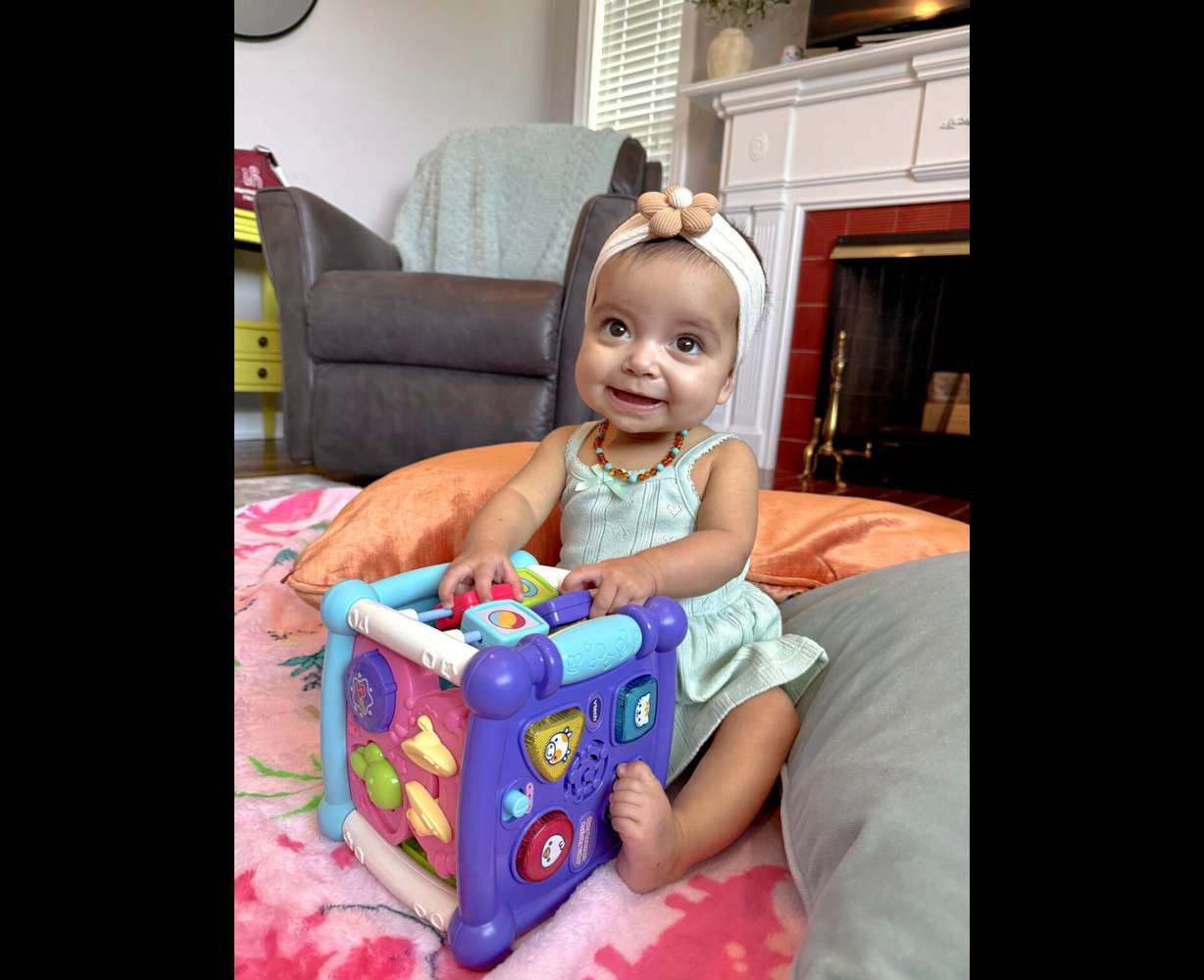
Justin Tibbs further explained that over the course of the next few months, the jaundice never went away, and at a three-month check-up, he and his wife, Jasmyn Tibbs, were instructed to get some more blood work done for their little girl.
"Her liver enzymes were so off-kilter, and everything was so bad that doctors sent the results up to Primary Children's (Hospital)," Justin Tibbs said. "The liver specialist called us and said, 'I need to see you guys today.'"
After several tests, it was concluded that Elie had biliary atresia, which is a serious congenital liver condition where the bile ducts are absent or closed, preventing bile from draining from the liver to the small intestine. With how small Elie was, they knew that finding a match for her would be extremely difficult, not to mention the surgery itself was at a higher risk.
Even so, the Tibbs family got right to work seeing if any of them was a match for their daughter. With Elie's mom being too soon postpartum, she was not a candidate, so it was down to her dad.
"We got a call saying, 'Justin, you are a great candidate to donate. However, the portion of your liver that you would need to donate is too big for Elie and it won't fit,'" he recalled. "I felt defeated."
The perfect match
Both families took to posting online to friends on social media, looking for a match for their daughters. One woman by the name of Annie Larrabee reached out to Tara Kauffman, expressing a desire to get tested. Larrabee, a neighbor of the Kauffmans, said that she had a "strong impression" that this was something she needed to do.
"When I read the post and requirements for becoming a living liver donor for Marissa, I immediately had a very strong impression that I should apply," Larrabee told KSL.com.
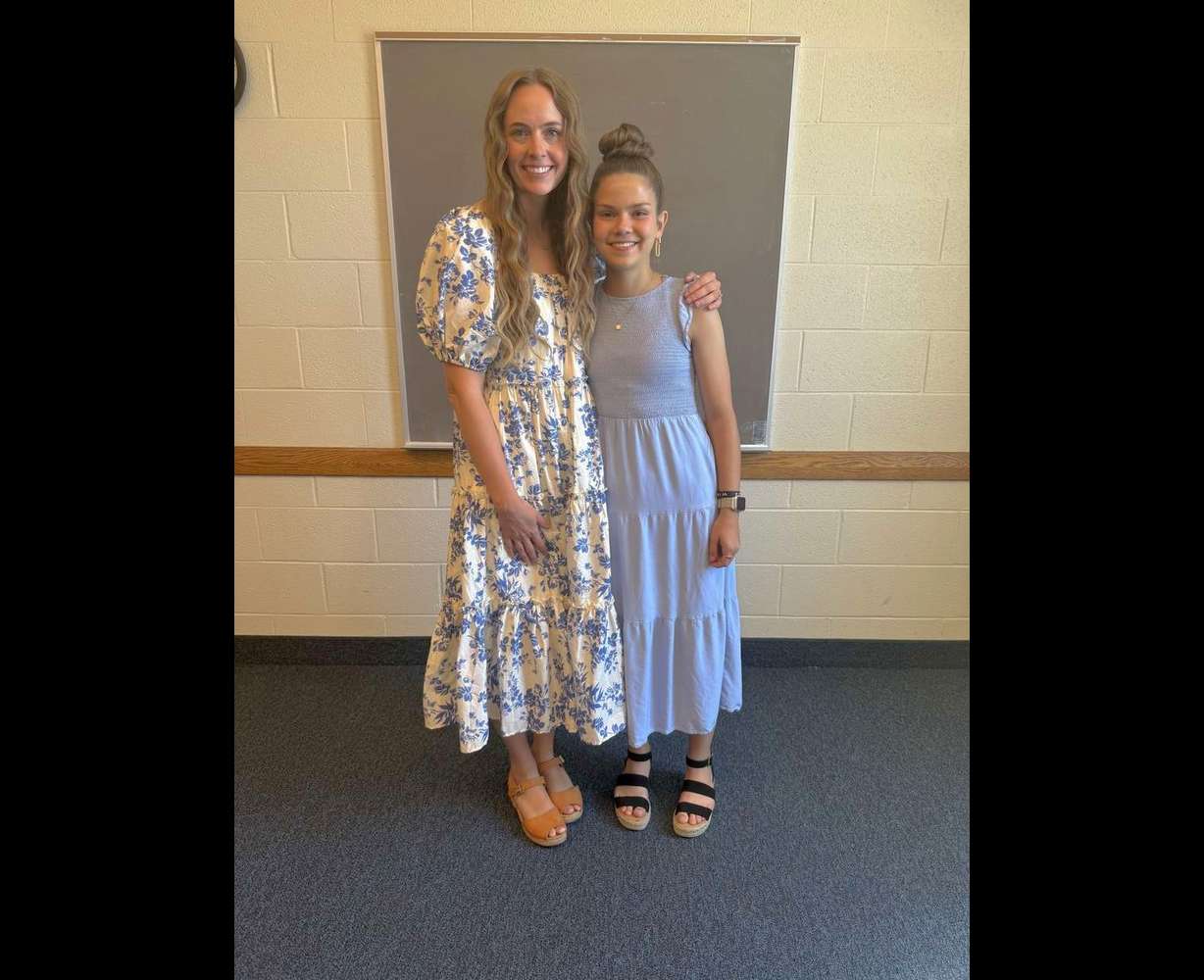
A few days later, Larrabee received a call that her application had been chosen to move forward in the testing process. One of the tests conducted was an echocardiogram, which tests the heart. During that test, it was found that she had a hole called a patent foramen ovale (PFO), and she was met with the devastating news that she would not be able to be a donor for Marissa.
"Because of this, they told me I was not eligible to be a donor for Marissa due to the risk of a major surgery like this," Larrabee recalled. "They told me if it was a smaller portion of my liver for a baby, then they would've been OK with it.
"I was disappointed and left wondering why I had such a strong impression to go through the process of becoming a donor if it wasn't even going to work out."
Paired exchange
A few months later, the Kauffmans and Tibbs received phone calls, proposing something neither of them had heard of before: a paired exchange.
The proposal was that Justin Tibbs would donate his liver to Marissa, and Larrabee would donate a portion of her liver to Elie.
"Me and my wife just looked at each other and we're like, 'Yes! We'll absolutely do it!'" Justin Tibbs recalled.
As simple as the answer was for both families, the procedure was a little more complex.
Dr. Jean F. Botha, surgical director of the liver transplant program at Primary Children's Hospital, spoke to those complexities, also noting how rare a procedure like this is.
"I've been doing this for 25 years and this is my first," he said. "Paired liver exchanges are not common because we have such an efficient deceased donor system in the United States. Living donation is not that common, and then to have a paired exchange is equally uncommon in liver transplantation. … In children, however, size matching and things like that make it a little difficult. We don't have lots of pediatric organ donors, so getting a size-matched organ is often difficult. Because of this, living donation becomes a very good way for children to get transplanted.
"We have a robust, well-staffed, well-equipped, living donor transplant program. I'm thrilled at the result. We now have two kids who have done very well after the transplant."
'The world needs this kind of goodness'
Two months post-op, both Marissa and 9-month-old Elie are healing well, and their parents both described being grateful to see their daughters happy and healthy again. And while they are yet to meet in person, with a planned meeting later this month, they all expressed their gratitude for the selflessness of the donors and the skilled hands of all the doctors.
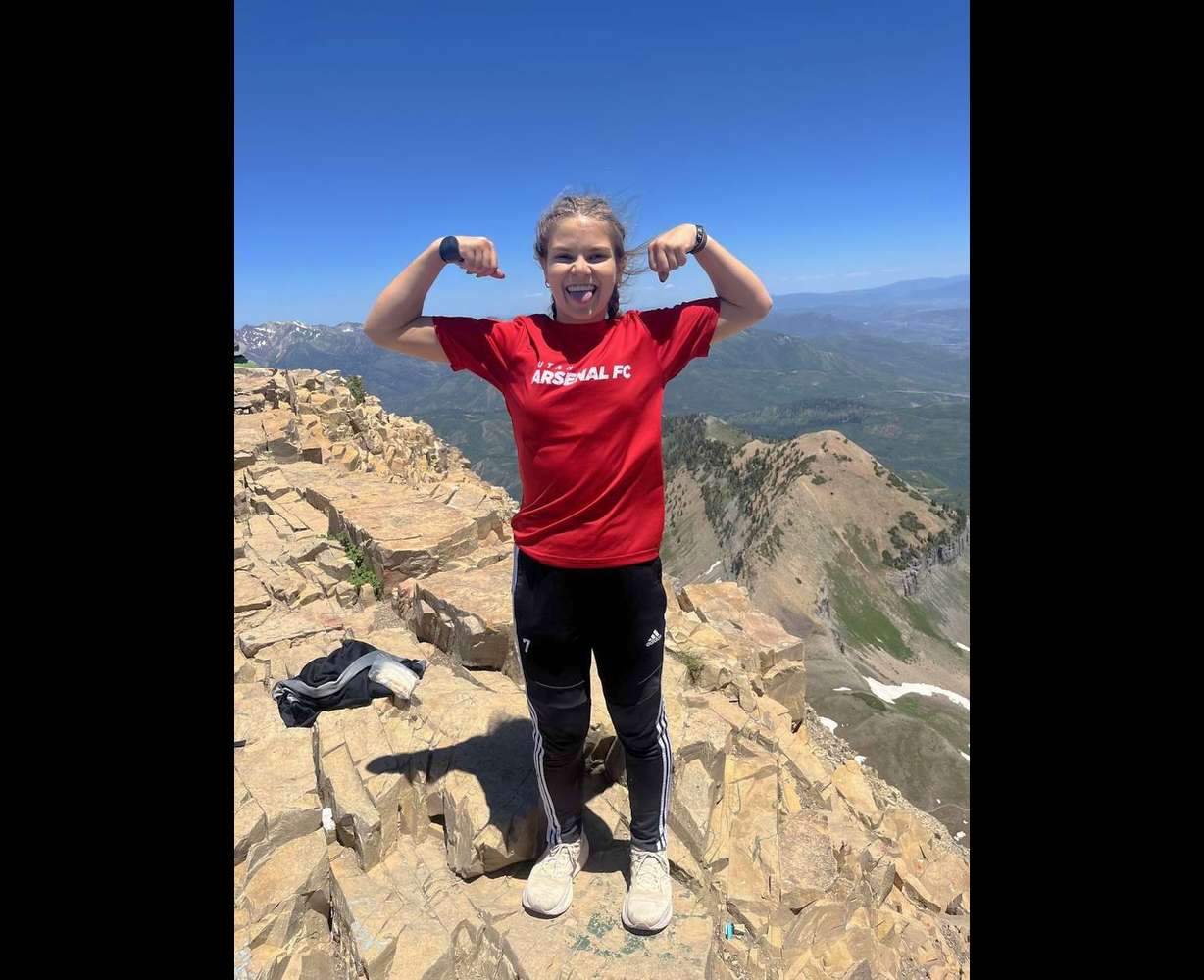
"The next day after her surgery, when she opened her eyes, they were just so white because her liver was working perfectly," Justin Tibbs said. "You'd never know she had surgery. She is just rolling around, happy, babbling and talking. We're so grateful for everyone who has helped us, emotionally, mentally, financially, everything."
"It worked out so perfectly like it was meant to be," Tara Kauffman said. "These doctors were amazing, encouraging and so full of energy. … Annie had nothing to gain and everything to lose. She felt prompted and went with that prompting and never looked back. She's such an amazing human who thought more of her literal neighbor than she did of herself. We are forever grateful to Annie for making the whole thing possible for Marissa. We are also so grateful to her donor and his sacrifice and giving Marissa a chance for a better and much longer life. Both are such selfless people! The world needs this kind of goodness."