Estimated read time: 6-7 minutes
In an era where neurological health challenges increasingly dominate public discourse, Dr. Keith N. Darrow, a distinguished neuroscientist, professor, clinical audiologist and Certified Dementia Practitioner, has released his latest work, "Tinnitus is Treatable."
This publication marks his third on the subject of tinnitus, building upon a career spanning over two decades at the intersection of brain science and auditory health. As the author of previous titles exploring similar themes, Darrow continues to establish himself as a leading authority, offering evidence-based insights that challenge longstanding misconceptions and provide actionable pathways to relief.
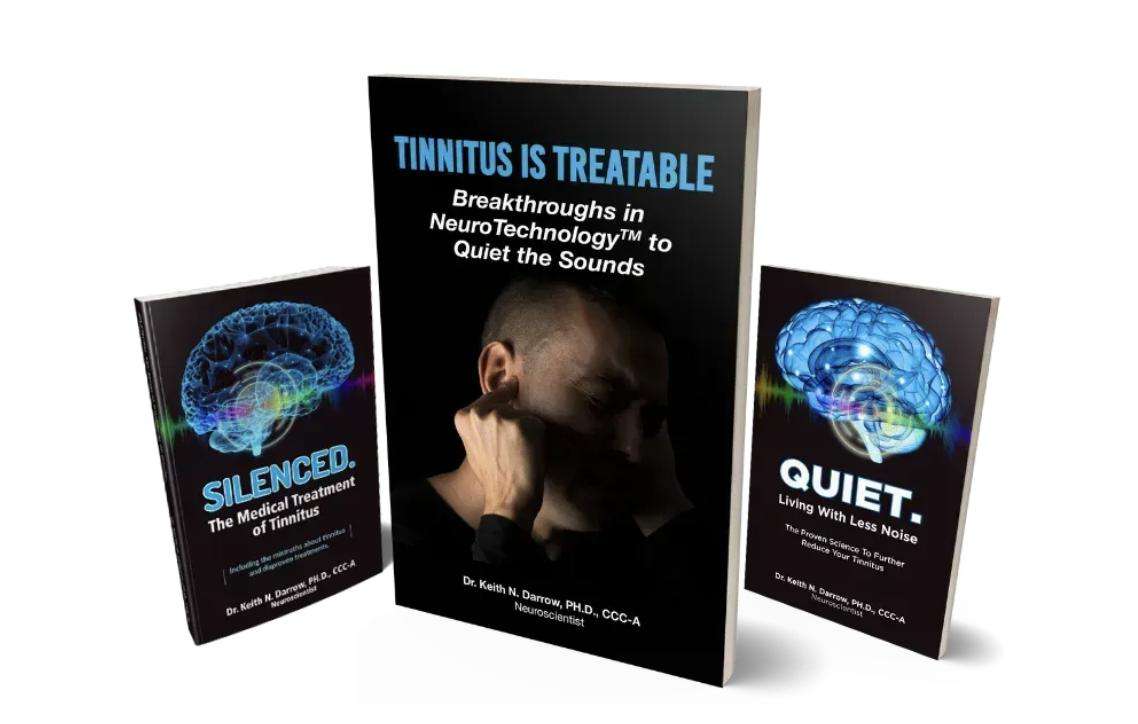
Darrow's book systematically dismantles the outdated narrative that tinnitus is an untreatable annoyance and people suffering need to learn to live with it. He frames it as a treatable signal from the brain that demands prompt, comprehensive intervention.
Through a blend of clinical expertise, patient narratives, and the latest advancements in neuroscience, the text serves as a roadmap for those who have been dismissed by traditional medical approaches.
Darrow's credentials lend weight to this endeavor. He holds a Ph.D. focused in neuroscience from M.I.T. and Harvard Medical School. He is a tenured professor at Worcester State Massachusetts and is certified as a clinical audiologist (CCC-A).
He has treated thousands of patients while contributing to research on auditory neurology and cognitive decline. His prior books have educated professionals and lay audiences alike on the links between hearing health and overall brain function, emphasizing preventive strategies against conditions like dementia.
In "Tinnitus is Treatable," Darrow extends this foundation, introducing readers to breakthroughs in NeuroTechnology™ — a term he employs to describe technologies that interact directly with the nervous system to modulate brain activity and alleviate symptoms.
The book's introduction sets a tone of empathy and urgency, acknowledging the deeply personal nature of tinnitus. "Tinnitus is a deeply personal experience," Darrow writes. "For some, it's a faint ringing in the background. For others, it's a constant, overwhelming noise that hijacks daily life. No matter the form, one truth remains: tinnitus is real — and it is treatable."
This statement encapsulates the book's core message, countering the frequent dismissal patients encounter, such as being told to "just live with it." Drawing from his clinical practice, Darrow shares stories of individuals who, after years of frustration, found relief through structured, science-backed protocols.
Right from the start, this book delves into the prevalence of tinnitus, explaining why it affects so many in modern society. Darrow attributes the rise to factors including aging populations, pervasive noise pollution, prolonged use of personal audio devices and systemic issues like neuroinflammation from conditions such as diabetes and heart disease.
He likens the auditory system to a sound engineering setup: the ears as microphones capturing frequencies, and the brain as the engineer processing the input. When signals degrade because of damaged hair cells or neural synapses the brain compensates by "turning up the gain," resulting in phantom sounds. This analogy, grounded in neuroscience, demystifies tinnitus as a brain-based response rather than a mere ear problem.
Importantly, Darrow highlights that tinnitus is not normal, even if it is common. He cites global statistics, noting that over one in four U.S. adults reports symptoms, with rates increasing among younger demographics due to noise exposure.
"Tinnitus is often the first sign that your hearing loss journey has begun," he quotes from colleague Dr. Ross O'Neill, reinforcing the need for proactive care.
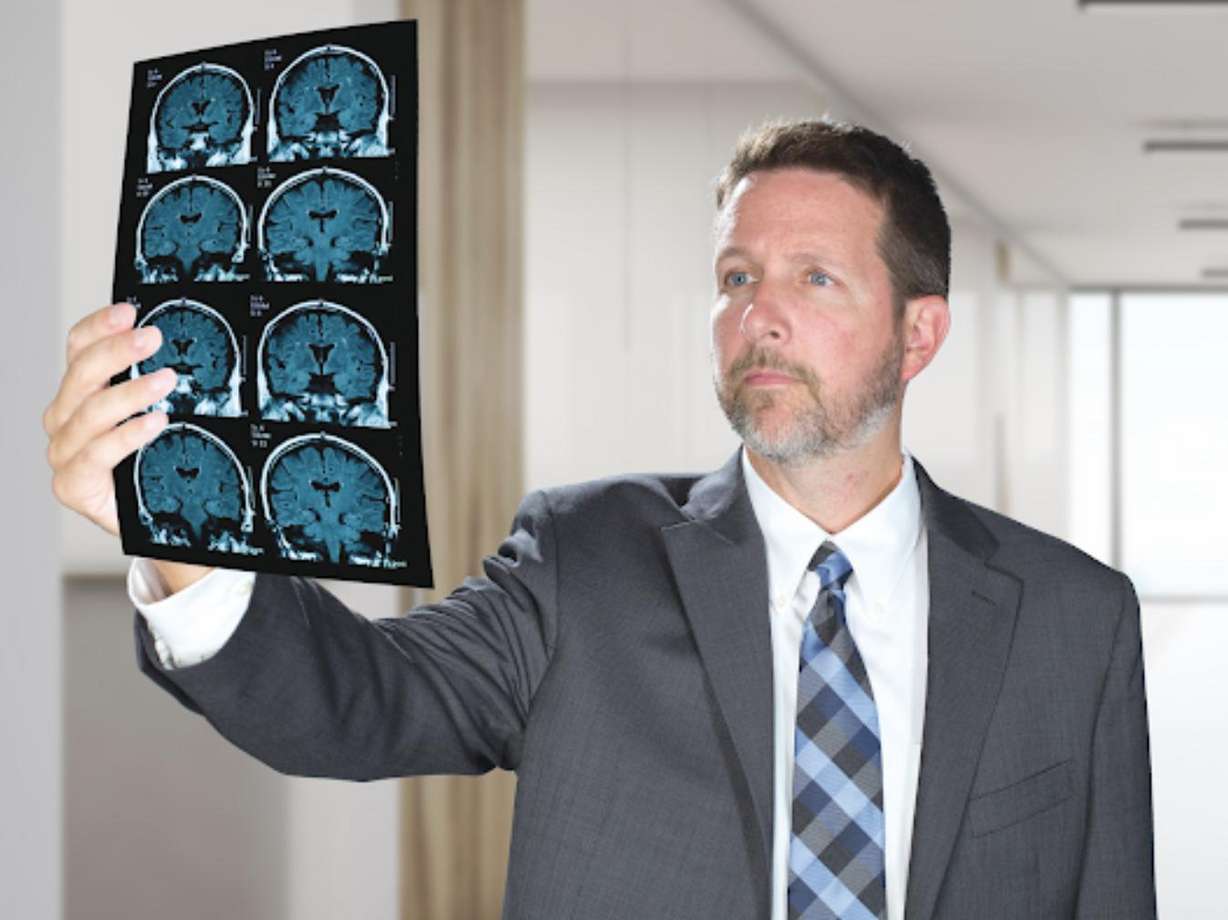
Transitioning to the impacts of untreated tinnitus, this neurological condition is framed as a big deal — a warning system with far-reaching consequences. Darrow draws on functional MRI and EEG studies showing altered brain activity in tinnitus sufferers, including hyperconnectivity between auditory and emotional centers like the amygdala. This leads to a distress cycle: perception triggers emotion, which amplifies stress, perpetuating the sound. He discusses links to mental health issues, with over 50% of patients experiencing anxiety or depression, and an elevated risk of cognitive decline, including dementia.
A poignant section recounts the tragic story of Kent Taylor, founder of Texas Roadhouse, whose post-COVID tinnitus escalated to unbearable levels, contributing to his suicide in 2021. Darrow uses this public case to illustrate tinnitus's potential lethality through sleep deprivation and emotional exhaustion.
Beyond diagnostics, Darrow presents practical strategies for patients to measure and track their progress. One such tool is "My Tinnitus Number," a personalized scoring system that quantifies severity and offers a clear starting point for recovery. From there, he outlines a structured, seven-step treatment approach designed to retrain the brain, reduce neural strain, and restore quality of life.
At the heart of this program is Prescription NeuroTechnology™ — customized devices that deliver targeted stimulation to the auditory pathway. By encouraging adaptive neuroplasticity, these systems lower the intensity of tinnitus while strengthening the brain's processing of sound.
Other therapies play an important role as well. Cognitive behavioral strategies, biometric monitoring, mindfulness, regular movement, and improved sleep all reinforce recovery by calming the nervous system and building cognitive reserve. Together, these interventions reduce stress, promote resilience, and help restore a sense of control.
The book also highlights how treating tinnitus protects long-term brain health, with evidence linking auditory enrichment to reduced risk of decline and dementia. Patient stories — like Mark, a 58-year-old firefighter whose "normal" test concealed significant auditory stress — show how the program brings relief that is practical, not miraculous.
Ultimately, "Tinnitus is Treatable" is both a scientific guide and a message of hope. For those ready to take the first step, resources like My Tinnitus Number provide a way to measure progress and begin the journey toward relief. It validates the lived experiences of millions while offering a pathway forward. In Dr. Darrow's words: "This book is for everyone living with tinnitus who deserves more than hollow reassurances. They deserve options. They deserve treatment. And above all, they deserve hope, rooted in evidence—not guesswork."
In a worldwide live stream on Oct. 8 at 3 p.m. MST at www.treatingmytinnitus.com. Darrow will share groundbreaking insights from his new book "Tinnitus is Treatable," along with practical strategies to find relief and protect long-term brain health. This is your opportunity to learn directly from a world-renowned neuroscientist and discover why millions no longer have to live with tinnitus.
Call (435) 253-6243 to get your questions answered, or book an appointment at one of their locations in Bountiful, Richfield, Cedar City, St. George and Ivins.
The opinions and conclusions expressed in this article are the sponsor's own and do not reflect the views or opinions of KSL.com. This Site Does Not Provide Medical Advice. Any content on this Site, such as text, graphics, images, information obtained from, or contained on this Site are for informational purposes only. The content is not intended to be a substitute for professional medical advice, diagnosis, or treatment. Always seek the advice of your physician or other qualified health provider with any questions you may have regarding a medical condition. Never disregard professional medical advice or delay in seeking it because of something you have read on this site! The owner and operator of this site do not recommend or endorse any specific tests, physicians, products, procedures, opinions, or other information that may be mentioned on the site. Reliance on any information provided by the Operator, including their employees, contractors or others appearing on the Site at the invitation of the Operator, or other visitors to the Site is solely at your own risk. If you think you may have a medical emergency, call your doctor or 911 immediately.