'%3e%3cpath%20d='M34.1406%205.85938C30.3906%202.10547%2025.3047%200%2020%200C14.6953%200%209.60938%202.10547%205.85938%205.85938C2.10938%209.61328%200%2014.6953%200%2020C0%2025.3047%202.10547%2030.3906%205.85938%2034.1406C9.61328%2037.8906%2014.6953%2040%2020%2040C25.3047%2040%2030.3906%2037.8945%2034.1406%2034.1406C37.8906%2030.3906%2040%2025.3047%2040%2020C40%2014.6953%2037.8945%209.60938%2034.1406%205.85938ZM37.0117%2023.543H31.1602V13.5391H27.6328V19.9414C28.1211%2020.6914%2028.3711%2021.582%2028.3711%2022.5625V22.625C28.3711%2023.668%2028.1172%2024.6055%2027.6328%2025.4297V26.6094H36.082C33.4883%2032.9375%2027.2891%2037.3789%2020.0039%2037.3789C10.3711%2037.3789%202.62109%2029.6289%202.62109%2020C2.62109%2010.3711%2010.3711%202.62109%2020%202.62109C29.6289%202.62109%2037.3789%2010.3711%2037.3789%2020C37.3789%2021.1484%2037.2617%2022.2656%2037.0508%2023.3477C37.0391%2023.4141%2037.0234%2023.4766%2037.0117%2023.543Z'%20fill='white'/%3e%3cpath%20d='M22.3086%2018.5352C20.4336%2018.125%2019.9531%2017.8398%2019.9766%2017.1836V17.1406C19.9766%2016.6992%2020.3477%2016.2148%2021.4023%2016.2148C22.582%2016.2148%2023.8867%2016.6797%2025.0781%2017.4766L26.8516%2015.0195C25.4453%2013.8906%2023.707%2013.3398%2021.5547%2013.3398C18.5195%2013.3398%2016.4375%2015%2016.4063%2017.4766V17.5352C16.3633%2020.2617%2018.5859%2020.9805%2021.293%2021.6016C23.0391%2021.9766%2023.5703%2022.3164%2023.5703%2022.9609L23.5469%2022.9766C23.5469%2023.3906%2023.2578%2023.7031%2022.7852%2023.8359C22.5742%2023.9062%2022.1289%2023.9727%2021.5156%2023.9727C20.7617%2023.9727%2019.7539%2023.8633%2018.6328%2023.4844C18.0898%2023.2891%2017.4727%2023.0039%2016.8047%2022.6133L20.1406%2026.625C20.2813%2026.6602%2021.0977%2026.8516%2021.7734%2026.8516C25.0039%2026.8516%2027.0859%2025.2461%2027.1094%2022.6328V22.5703C27.1602%2020.1133%2025.2148%2019.1719%2022.3086%2018.5352Z'%20fill='white'/%3e%3cpath%20d='M5.24219%2013.5664V26.6133H8.75391V23.7578L10.2969%2021.9531L14.2031%2026.6133H18.3867L12.3555%2019.5195L17.4023%2013.5664H13.4531L8.75391%2019.0586V13.5664H5.24219Z'%20fill='white'/%3e%3c/g%3e%3cdefs%3e%3cclipPath%20id='clip0_97_2430'%3e%3crect%20width='40'%20height='40'%20fill='white'/%3e%3c/clipPath%3e%3c/defs%3e%3c/svg%3e)


This archived news story is available only for your personal, non-commercial use. Information in the story may be outdated or superseded by additional information. Reading or replaying the story in its archived form does not constitute a republication of the story.
- The University of Utah is facing backlash over course schedule changes starting spring semester 2026.
- Students criticized the limiting of class offerings during primetime hours, potentially affecting jobs and graduation timelines.
- The university is aiming to ease congestion improve scheduling flexibility, administrators said.
SALT LAKE CITY — Recently announced changes regarding class scheduling at the University of Utah have led to a social media firestorm and significant student pushback.
The university announced in July that beginning in the spring semester 2026, departments will be asked to distribute their course schedules more evenly throughout the day. This means that no more than 50% of classes may be scheduled during primetime hours — 9 a.m. to 2 p.m., according to the U. — with the remaining 50% scheduled outside of those peak hours.
In fall semester 2026 and beyond, those scheduling expectations will also apply by day of the week. No more than 30% of classes should be scheduled during primetime on Monday, Wednesday and Friday, and no more than 30% during primetime on Tuesday and Thursday. Additionally, the university said at least 40% of courses must be scheduled outside of primetime hours.
"Unfortunately, a poorly framed social media post from the university suggested this initiative is focused on alleviating parking constraints on campus. That is not accurate," reads an email sent to students who have written to U. administrators. "The original post details the background on this effort, which is designed to reduce the uneven distribution of classes to reduce course bottlenecks, improve student success, shorten times to graduation and ease congestion in course and space planning and tangentially, parking."
But many students feel differently.
An Instagram post from the U.'s official account about the changes received over 2,400 comments, and a recent petition had garnered over 6,400 signatures as of Tuesday evening.
Most of the qualms seem to center around students not wanting to take classes outside of what the U. deemed as "primetime" hours.
Eric Sheffer, a senior at the U., is aiming to graduate next semester. The new changes could hinder his ability to do so, he said.
"Many students, including myself, work jobs or have other obligations after school, usually in the late afternoon and into the night, and this new policy directly affects our ability to meet those obligations because this policy is basically proposing more late-afternoon and more night classes," Sheffer said.
Sheffer, who works as an intramural referee on campus, says if he can't go to his job, he won't be able to pay his bills. "That's obviously a huge problem. I have to choose between either graduating on time or going to my job to pay off my expenses," he said.
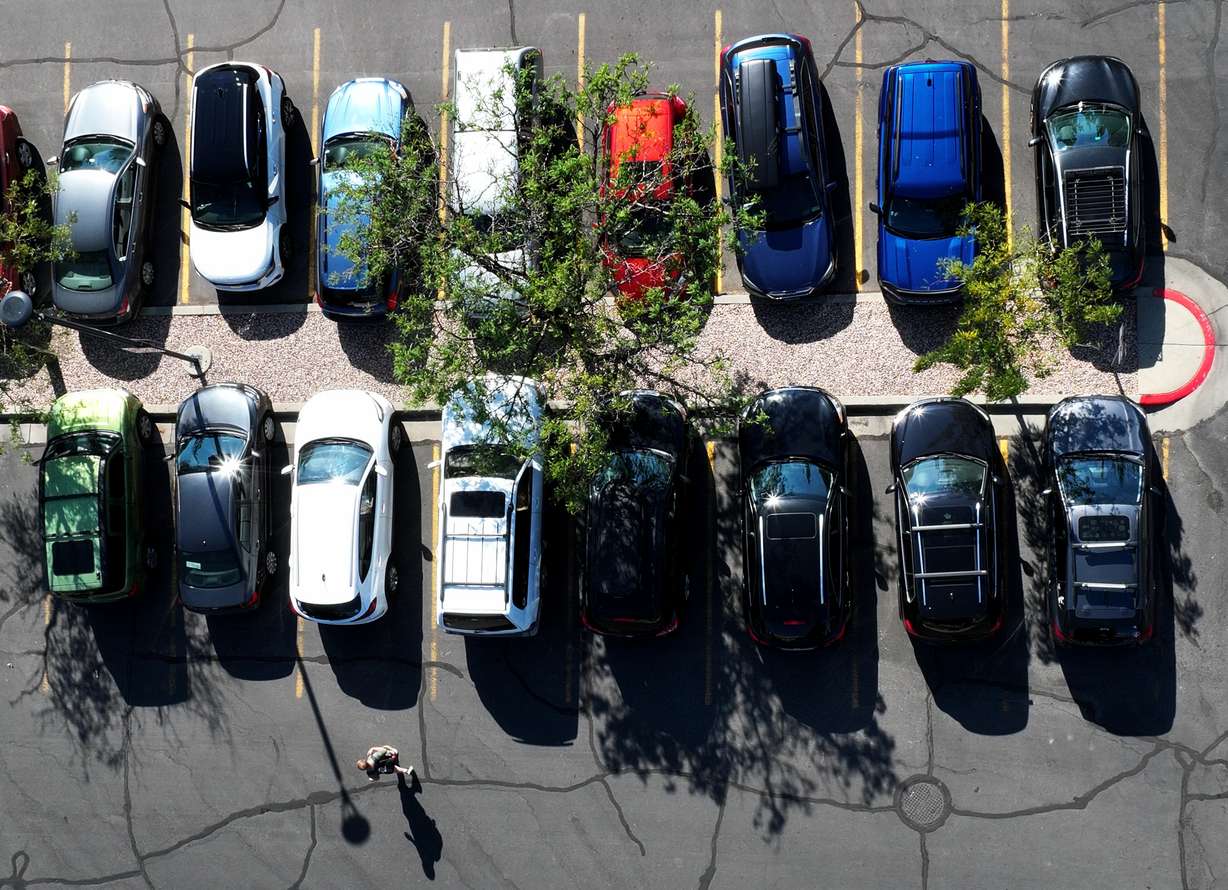
In the email, the university states that the guidelines were intended to affect how departments distribute their course offerings, not how individual students build schedules, with the goal of creating more options for students, not fewer.
Sheffer doesn't agree with this, either.
"Initially, the university said this was about solving the parking problem on campus. But then they were like, 'No, no, no, it's about making schedules more flexible," Sheffer said. "I'd argue that this policy is good at doing neither of those things.
"For the parking issue, instead of people leaving in the afternoon, like they normally do, they're just gonna stay parked on campus for longer. And for the flexible schedule, because we have all these other obligations, it actually makes our schedules less flexible."
The U. maintains that students will retain "complete control" over what courses they take and how they organize their schedules, even optimizing the overall university course schedule to provide more choices by removing scheduling overlaps.
"We understand student life is busy and complex. You are pursuing a degree and scheduling classes around work, extracurricular activities, sports and family time," the email from the university says. "The spring 2026 semester schedule will be posted online on Sept. 22. We hope you will see some of these positive changes reflected as you begin to register for next semester — including more flexibility and open spots for your required general education and degree-specific courses."
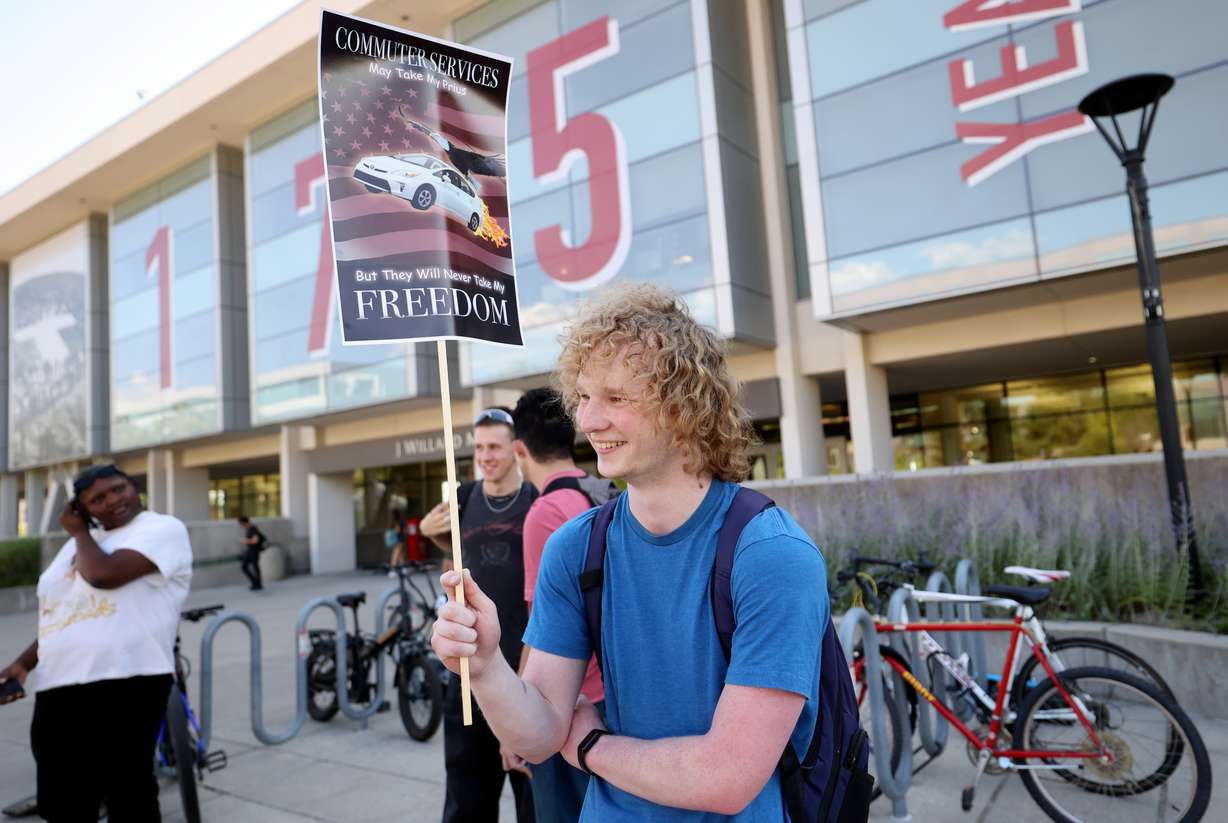
Still, Sheffer wants to see the new policy reversed.
"If they actually wanted to solve the parking problem, they should set up a student-led parking advisory committee that has an active role in fixing the parking problem and coming up with solutions," Sheffer said, adding that he'd also like to see more commitment to creating new parking options for students.
"Whenever they tear out a lot to make way for a new building, they should commit to replacing those spots one-to-one elsewhere on campus," he said.
As far as the parking congestion goes, U. spokeswoman Rebecca Walsh said the university is hoping to be able to bond for $160 million in additional parking at the south end of campus "very soon," with an exact location yet to be determined.
"We're also excited to be able to plan for additional parking on Fort Douglas property that could be available by next fall," Walsh said.