- Rep. Burgess Owens advocates for domestic salt use to enhance road safety.
- Domestic road salt's market share has dropped from 95% to 70% in the last 20 years.
- Congress is expected to continue the debate for the next major infrastructure bill in 2026.
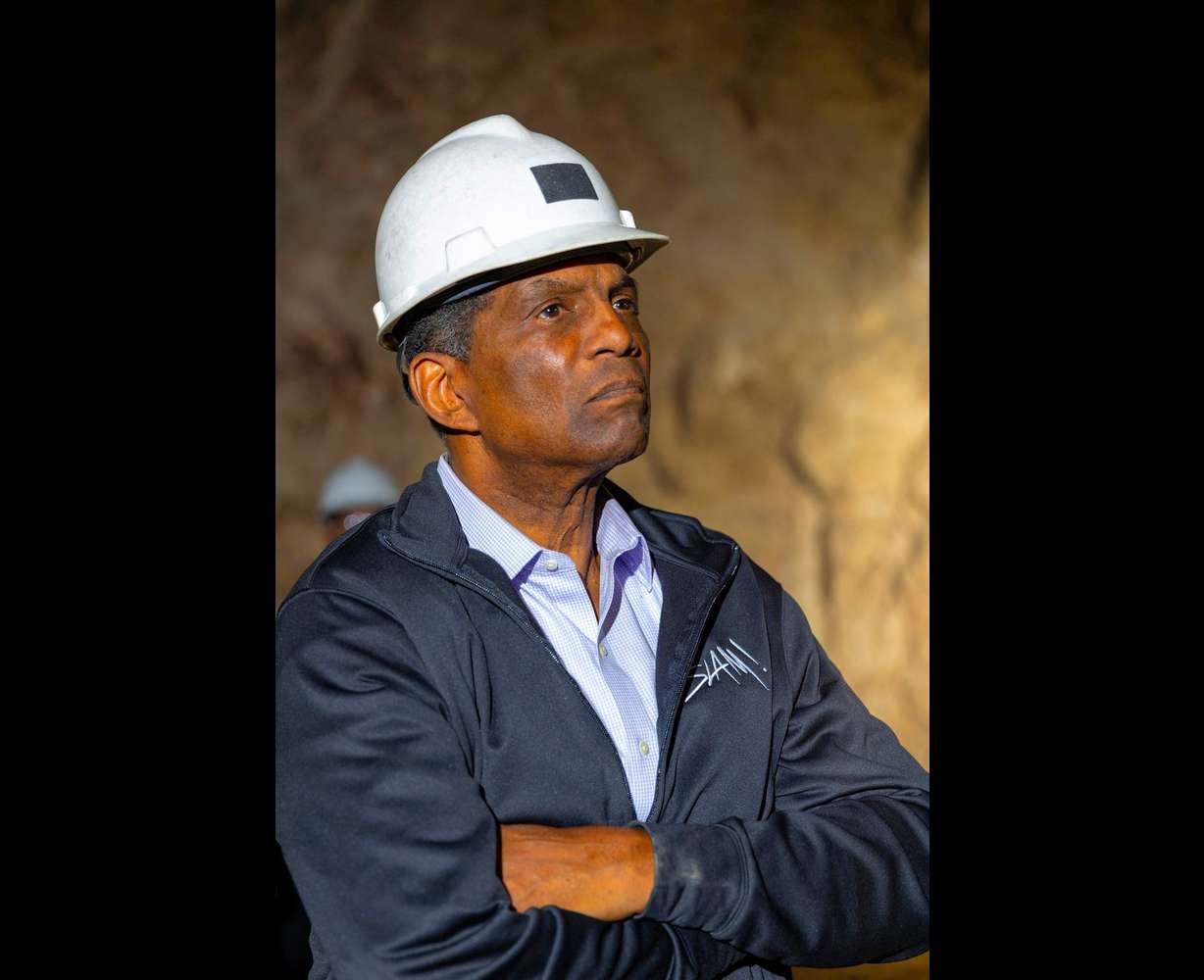
REDMOND, Sevier County — Rep. Burgess Owens, R-Utah, recently toured Redmond Minerals in Utah as part of a campaign to keep American salt on American roads.
It seems like a simple enough proposition, given Utah is home to the Great Salt Lake, but keeping it simple is not a reality.
Owens, along with the National Coalition for Open Roads and other officials, were at Redmond Minerals to advocate for greater domestic autonomy when it comes to salt put on roads to keep motorists safe.
Owens, a member of the House Committee on Transportation and Infrastructure, spoke alongside local industry leaders about road safety, jobs and the nation's reliance on foreign salt.
Owens cited federal data showing that properly treated roads reduce accidents by up to 70%. When salt is applied effectively, that reduction can reach 85% — making winter road maintenance "not a luxury, but a lifeline."
"Utah has the salt mines in the West, and the entire West Coast that used to rely on Utah salt has turned to foreign nations," said William Nixon, executive director of the National Coalition for Open Roads.
Here are some quick facts to consider:
- Redmond Minerals has been operating since 1958, sustaining hundreds of Utah families.
- Nearly 30% of America's road salt is now imported, threatening jobs and supply chain security.
- Congress is expected to take up this debate in the next major infrastructure bill in 2026.
"America moves forward on open roads," Owens said. "But when winter arrives, snow and ice threaten to stop our momentum — shutting down businesses, delaying emergency crews, and costing our country billions in lost revenue. Most tragic, however, are the accidents, especially the loss of life. The decision to plow the roads should not be made to fit a budget; budgets should be made to meet a standard. And that standard should always be safe and open roads."
Nixon said the problem is the domestic market share has dropped from 95% to 70% in the last 20 years, and it is cheaper to ship salt from Chile to the West Coast than it is to ship salt domestically.
Nearly 30% of the road salt used in the U.S. is imported from countries such as Canada, Chile and Egypt. In the past five years alone, several American salt mines have closed — not for lack of resources, but because rising transportation costs, aging infrastructure and cheaper imports have made domestic operations increasingly difficult to sustain.
"We have enough salt domestically. We are looking to increase market share," Nixon said.
A matter of safety and time
"We need to do a better job of keeping the roads open," Nixon said.
He pointed to one of Utah's neighbors.
"Wyoming has a huge problem shutting down roads because they use sand, not salt."
He added that there is an $8 billion loss per year because trucks get in accidents and trucks get delayed.
Doug Anderson, chairman of National Coalition for Open Roads and a 25-year veteran of the salt industry, echoed the message of the tour.
"The problem isn't supply," Anderson said. "It's cost, regulation, and a lack of national standards that have allowed imports to gain market share and push American producers to the margins."