- Sen. John Curtis observed China's influence in Zambia during a recent visit.
- China's Belt and Road Initiative has made it Africa's largest trading partner.
- Curtis emphasizes the need for the U.S. to better compete with China globally.
SALT LAKE CITY — When Sen. John Curtis was in Zambia last week with a bipartisan group of congressional colleagues, he saw firsthand the difficulty of competing with China.
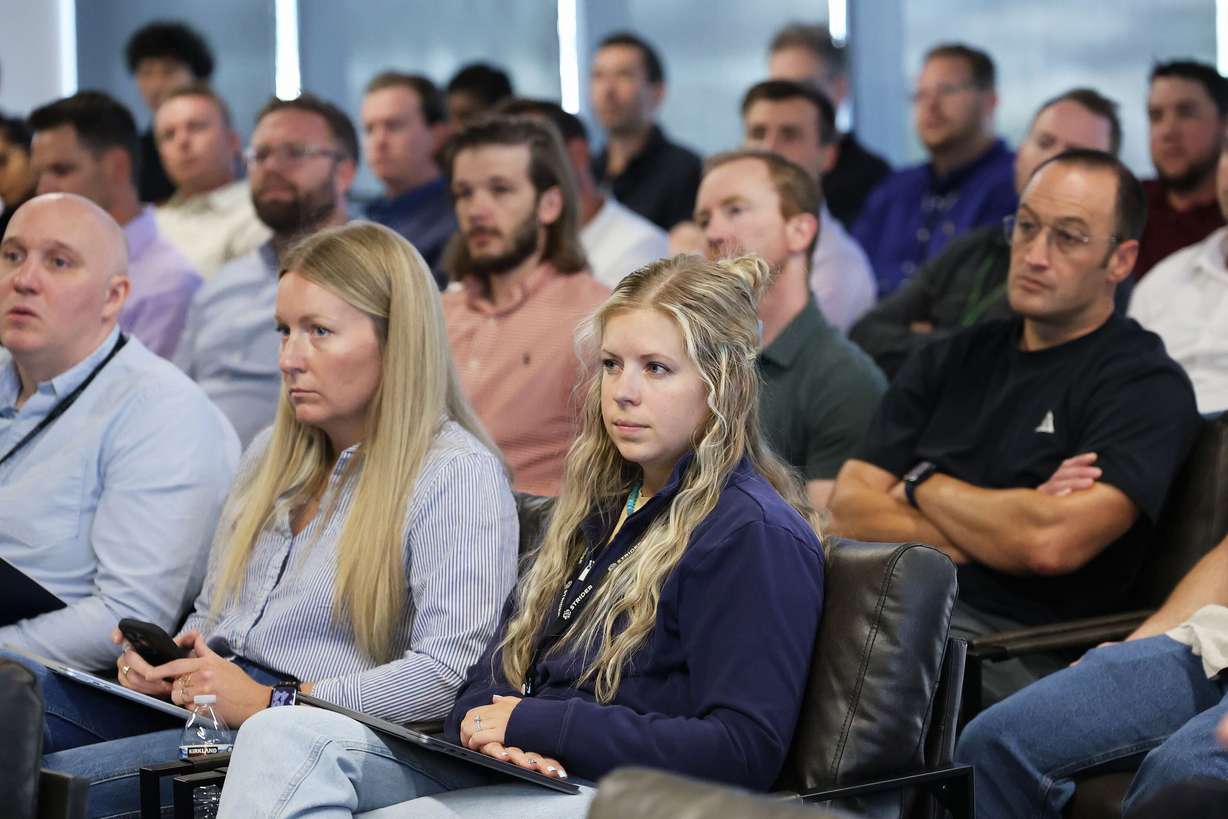
Speaking to a room full of employees at Strider Technologies, a Utah-based high-tech strategic intelligence firm, Curtis spoke about the need for the United States to do a better job of competing with China's growing international influence.
China has pursued a focused global strategy called the Belt and Road Initiative for more than a decade. They've built influence while buying up property and investing in infrastructure in developing nations across the world.
China is Africa's largest trading partner and is also the continent's largest creditor, according to the World Economic Forum.
Meanwhile, the United States has, at times, taken a more careful approach, Curtis said, often over concerns about a country's approach to the rule of law.
Under President Donald Trump, the U.S. has also changed its approach to foreign aid, shuttering the U.S. Agency for International Development, while also taking a more aggressive approach to trade.
During a meeting with the president of Zambia, Curtis, along with another dozen senators and representatives, asked "How do we do this better?" Meaning, how does the U.S. compete better with China in Zambia and other nations in Africa.
The Zambian president insisted the U.S. and China are treated the same, but Curtis said he was concerned because he saw few signs of American investment in the country.
With the growth and vibrancy of many African nations' economies, the U.S. needs to "figure this out," Curtis said.
"If we can't ... it's not a good thing for the United States," he said.
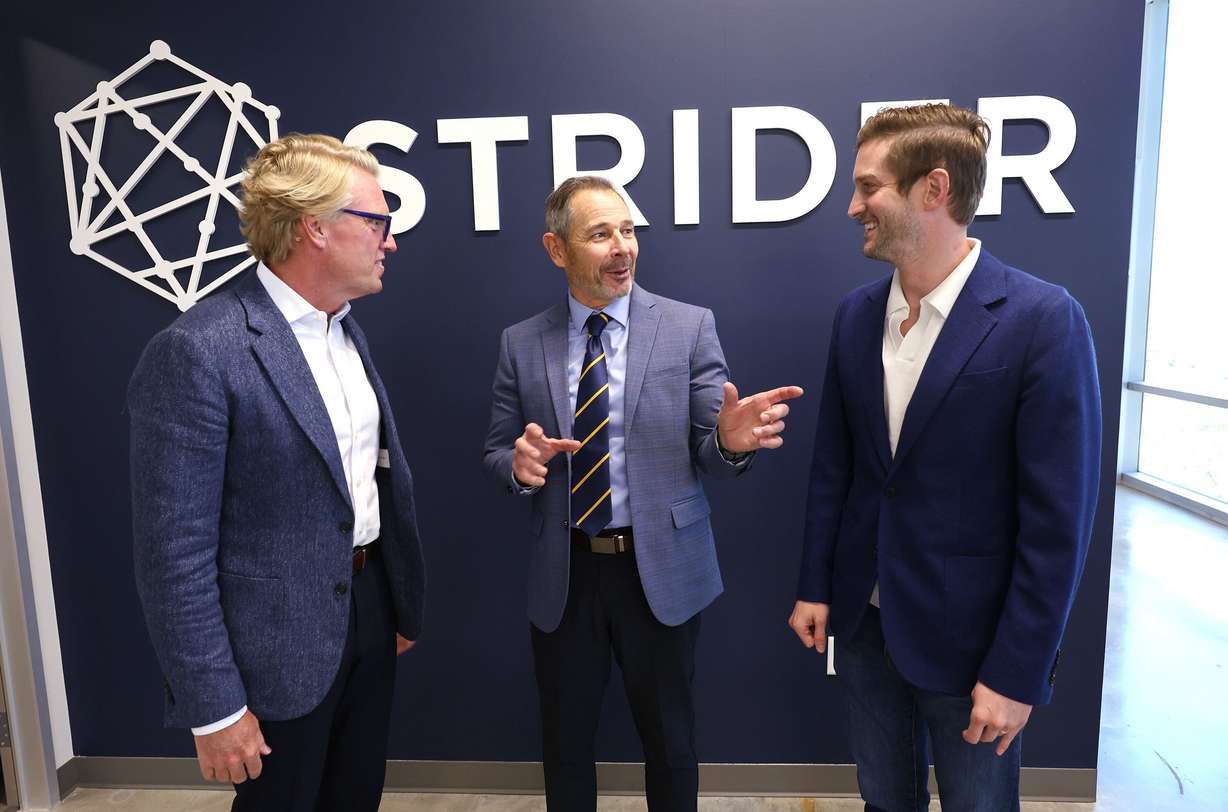
Strider CEO Greg Levesque, who was posing questions to Curtis, agreed. "You take a step back, and this is a competition for the future, really," he said.
Is US foreign policy 'built for the '90s?'
While China charges ahead, Levesque asked Curtis if he thinks the U.S. is stifled by its economic strategy.
"We have, I think, a toolkit that was really built for the '90s," Levesque said. "Sanctions, terrorist and export controls — do you think those tools have the fit and finish of the 21st century?"
Curtis said he thinks the tools are good, but they aren't being deployed well.
The officials he met in Zambia expressed gratitude for the aggressive approach taken by the U.S. to combatting HIV, "and yet we're still losing there because a Chinese entity will come in and buy a mine that's in disrepair," and it's these investments that seem to make the difference, Curtis said.
During an answer to a later question, Curtis said he'd like to see the U.S. use its investments as leverage to encourage countries to follow the rule of law and adopt other standards that could ultimately end up helping the country.
IP theft and nations targeting private businesses
While businesses in western democracies continue to be concerned about intellectual property theft, they're also dealing with nation states that are "willing to use their intelligence services and state apparatuses to actually target industry," Levesque said.
Earlier this year, Curtis introduced legislation to curb IP theft by China. The bill would impose sanctions on Chinese individuals, companies and organizations that engage in IP theft.
Curtis said Strider, which tracks state economic threats, can help by providing information on when companies are being targeted. "I think what's unfortunate is many businesses, they're not even seeing the IP theft, stolen right out from underneath them," he said.
The biggest concern with China, Curtis said, is there are currently no consequences for bad actions.
"We want a healthy relationship with China; we're past the point where we can just ignore them," Curtis said.

Americans, including Utahns, know there's a problem, Curtis said, but it's difficult to know how to fight it.
Curtis said on his way to Strider, he was talking to his staff about how hard it is to find products to buy that aren't made in China.
Even when a consumer is concerned about the lack of labor and environmental regulations in China, it is difficult to avoid products made in China that are typically less expensive, he said.
But that's where Curtis thinks Trump could make a difference by changing the way he calculates the size of tariffs to levy.
Curtis: Trump's tariffs causing unpredictability
Curtis expressed concern about the way Trump has implemented tariffs. Its caused unpredictability, which especially hurts small businesses, he said.
But Curtis said he thinks Trump's power to tariff could be used more effectively if the cost of a country's lack of regulations could be measured and quantified.
The Prove It Act, introduced in both the House and Senate, would provide data on the extra cost for American-made goods because of emissions, human rights and labor standards implemented by U.S. companies.
Curtis said he thinks that by knowing this cost, Trump could be in a better position to know what tariffs to levy on other countries' goods in a way that would level the playing field for American businesses.