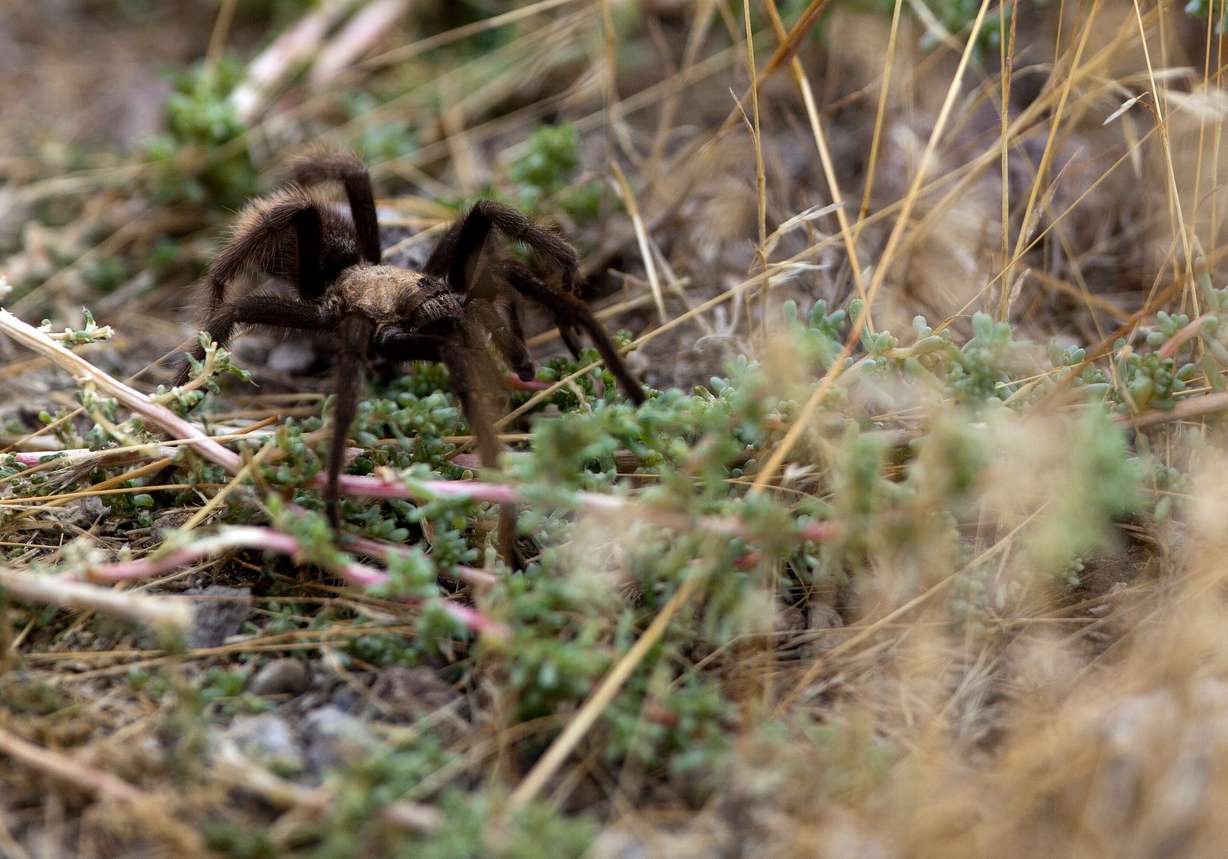
- Tarantulas in southern Utah are harmless despite their intimidating appearance during mating season.
- These arachnids contribute ecologically by controlling pests like mosquitoes and grasshoppers.
- Tarantulas prefer avoiding humans and are mostly nocturnal especially in desert regions.
SALT LAKE CITY — They are hairy and the size of a baseball, and if you live in the Southwest, you may seem them roaming around.
It is mating season for the tarantula, and the males are on the lookout for a female friend. That includes southern Utah, where you may see them out and about.
But even though it is a tarantula, they are relatively harmless, with venom less potent than a common wasp.
"It's a wild animal — it doesn't want to be picked up and loved and hugged," said Dan McCamish, a senior environmental scientist with California State Parks. "In general, the species is very docile, but if you were to handle one, they could bite you."
According to an in article in USA Today, these seemingly scary eight-legged arachnids are a valuable part of the ecological system.
"In truth, they're gentle, ecologically valuable animals," McCamish said. "Mostly they're interested in escaping from confrontations — especially with something they know could squish them."
Here are some simple facts to know about tarantulas and why you should care about them:
- Females can live up to 20 years or more.
- Males only live up to five to eight years.
- They feed on a variety of insects that include mosquitoes and grasshoppers.
Typically, tarantulas live in arid regions, which include the southwestern areas of Utah but can range as far north as Cache County.
They mostly keep to themselves, and their nests are in the ground, so hikers and campers don't see a lot of them.
"As with most things that live in the desert in the summer, they're generally nocturnal," McCamish said. "So unless you're out in the middle of the night, which I don't recommend for safety purposes, you likely won't see them."
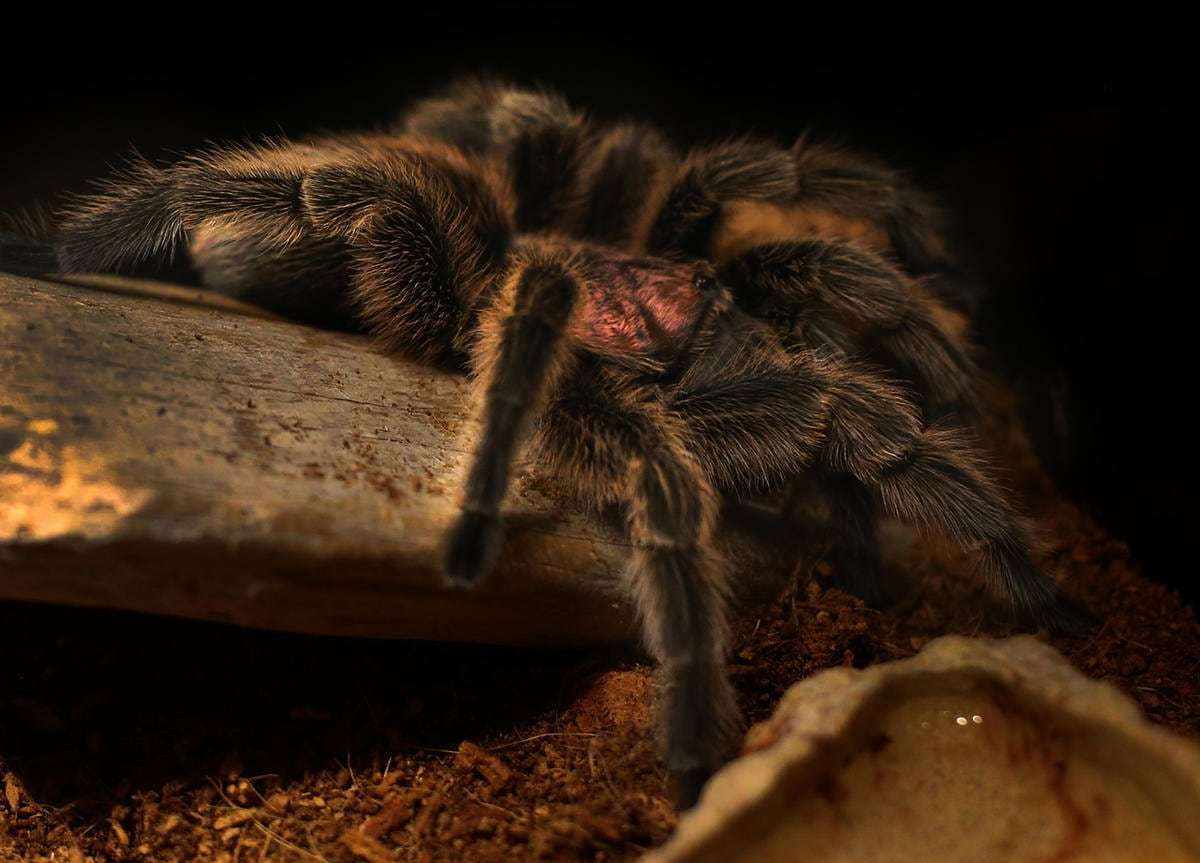
Are they coming for you?
No. They are not. They want to be left alone and prefer to hide.
Tarantulas may be your best defense against pests like mosquitoes or beetles.
Utah has three distinct species of these misunderstood creatures: Those include the Salt Lake County brown, the Grand Canyon black tarantula and the Arizona desert tarantula.
Then, in the fall, the weather starts to shift, and they can become more active. "They generally wait for the first fall seasonal rain — they really respond to the late summer warmth and the increase in moisture," he said.
So, increased movement by the tarantulas in Utah is not an invasion. The little crawlers are just looking for a mate.