'%3e%3cpath%20d='M34.1406%205.85938C30.3906%202.10547%2025.3047%200%2020%200C14.6953%200%209.60938%202.10547%205.85938%205.85938C2.10938%209.61328%200%2014.6953%200%2020C0%2025.3047%202.10547%2030.3906%205.85938%2034.1406C9.61328%2037.8906%2014.6953%2040%2020%2040C25.3047%2040%2030.3906%2037.8945%2034.1406%2034.1406C37.8906%2030.3906%2040%2025.3047%2040%2020C40%2014.6953%2037.8945%209.60938%2034.1406%205.85938ZM37.0117%2023.543H31.1602V13.5391H27.6328V19.9414C28.1211%2020.6914%2028.3711%2021.582%2028.3711%2022.5625V22.625C28.3711%2023.668%2028.1172%2024.6055%2027.6328%2025.4297V26.6094H36.082C33.4883%2032.9375%2027.2891%2037.3789%2020.0039%2037.3789C10.3711%2037.3789%202.62109%2029.6289%202.62109%2020C2.62109%2010.3711%2010.3711%202.62109%2020%202.62109C29.6289%202.62109%2037.3789%2010.3711%2037.3789%2020C37.3789%2021.1484%2037.2617%2022.2656%2037.0508%2023.3477C37.0391%2023.4141%2037.0234%2023.4766%2037.0117%2023.543Z'%20fill='white'/%3e%3cpath%20d='M22.3086%2018.5352C20.4336%2018.125%2019.9531%2017.8398%2019.9766%2017.1836V17.1406C19.9766%2016.6992%2020.3477%2016.2148%2021.4023%2016.2148C22.582%2016.2148%2023.8867%2016.6797%2025.0781%2017.4766L26.8516%2015.0195C25.4453%2013.8906%2023.707%2013.3398%2021.5547%2013.3398C18.5195%2013.3398%2016.4375%2015%2016.4063%2017.4766V17.5352C16.3633%2020.2617%2018.5859%2020.9805%2021.293%2021.6016C23.0391%2021.9766%2023.5703%2022.3164%2023.5703%2022.9609L23.5469%2022.9766C23.5469%2023.3906%2023.2578%2023.7031%2022.7852%2023.8359C22.5742%2023.9062%2022.1289%2023.9727%2021.5156%2023.9727C20.7617%2023.9727%2019.7539%2023.8633%2018.6328%2023.4844C18.0898%2023.2891%2017.4727%2023.0039%2016.8047%2022.6133L20.1406%2026.625C20.2813%2026.6602%2021.0977%2026.8516%2021.7734%2026.8516C25.0039%2026.8516%2027.0859%2025.2461%2027.1094%2022.6328V22.5703C27.1602%2020.1133%2025.2148%2019.1719%2022.3086%2018.5352Z'%20fill='white'/%3e%3cpath%20d='M5.24219%2013.5664V26.6133H8.75391V23.7578L10.2969%2021.9531L14.2031%2026.6133H18.3867L12.3555%2019.5195L17.4023%2013.5664H13.4531L8.75391%2019.0586V13.5664H5.24219Z'%20fill='white'/%3e%3c/g%3e%3cdefs%3e%3cclipPath%20id='clip0_97_2430'%3e%3crect%20width='40'%20height='40'%20fill='white'/%3e%3c/clipPath%3e%3c/defs%3e%3c/svg%3e)



Estimated read time: 4-5 minutes
This archived news story is available only for your personal, non-commercial use. Information in the story may be outdated or superseded by additional information. Reading or replaying the story in its archived form does not constitute a republication of the story.
- HB65, sponsored by Rep. Casey Snider, aims to enhance cancer screenings for Utah firefighters.
- The bill expands the list of presumptive cancers from four to fifteen types.
- Screenings will initially be state-funded, transitioning to fire department funding after three years.
SALT LAKE CITY — A bill to set up cancer screenings for firefighters across the state passed through the House last week and on Tuesday passed through Senate committee.
HB65, sponsored by Rep. Casey Snider, R-Paradise, would expand the list of presumptive cancers for firefighters and also set up a plan to provide cancer screenings and treatment for them. Snider said that if this bill passes the Legislature, it will create the most robust firefighter cancer program in the country.
"I think this is one of the most impactful and meaningful bills we'll pass this year," said Rep. Daniel Thatcher, R-West Valley City.
The idea for this bill started based off evidence that there is a higher prevalence of cancer in firefighters compared to the general population.
"Many of us who have been in this space for any period of time know individuals who have succumbed to this disease as a function of their career," Snider said.
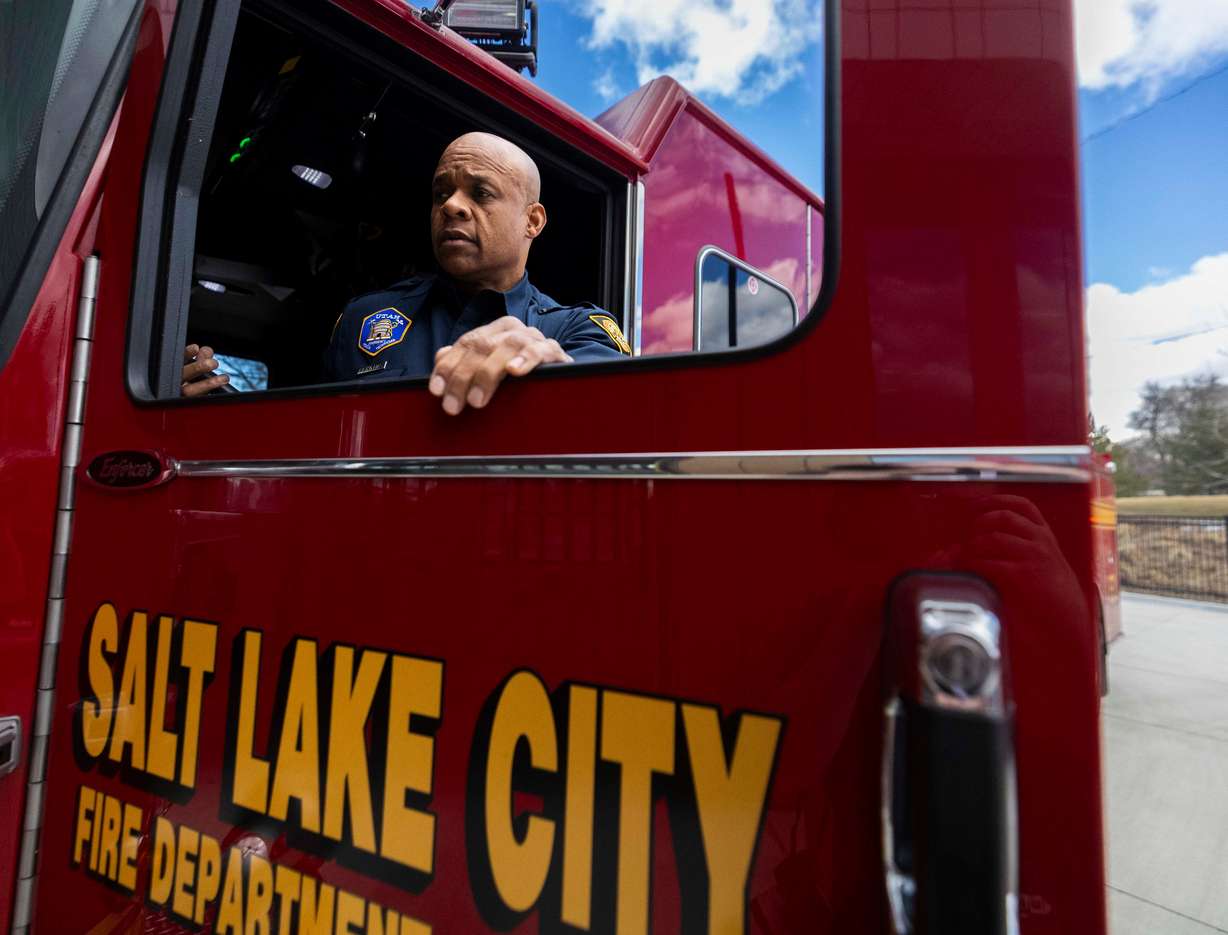
Snider used to be a firefighter in Cache County and shared that in 2015, two of his leaders, Travis Peterson and Steve McBride, died from cancer.
"There are certain cancers we can actually refer to colloquially as firefighter cancers, just because they're so rare in the general population but so prevalent amongst first responders, firefighters in particular," said Tony Allred, Salt Lake City Fire Department's division chief for fire prevention.
The risk of cancer in firefighters
Last year, the state sent six senior firefighters to a cancer screening center in Arizona, where they found that five of the six had cancer. One of these five firefighters was Jeremy Craft, the chief of Lehi's fire department.
Craft was diagnosed with renal and prostate cancer and has had his prostate and right kidney removed. He is also currently going through hormone therapy because the cancer spread to his lymphatic system.
"Had this program been in place a year earlier, we would have found this cancer much sooner; I could've kept my prostate and kept me from going through all of this," Craft said.
Across the country, 60% of line of duty deaths for firefighters are from occupational cancers, according to Jack Tidrow, president of the Professional Firefighters of Utah.
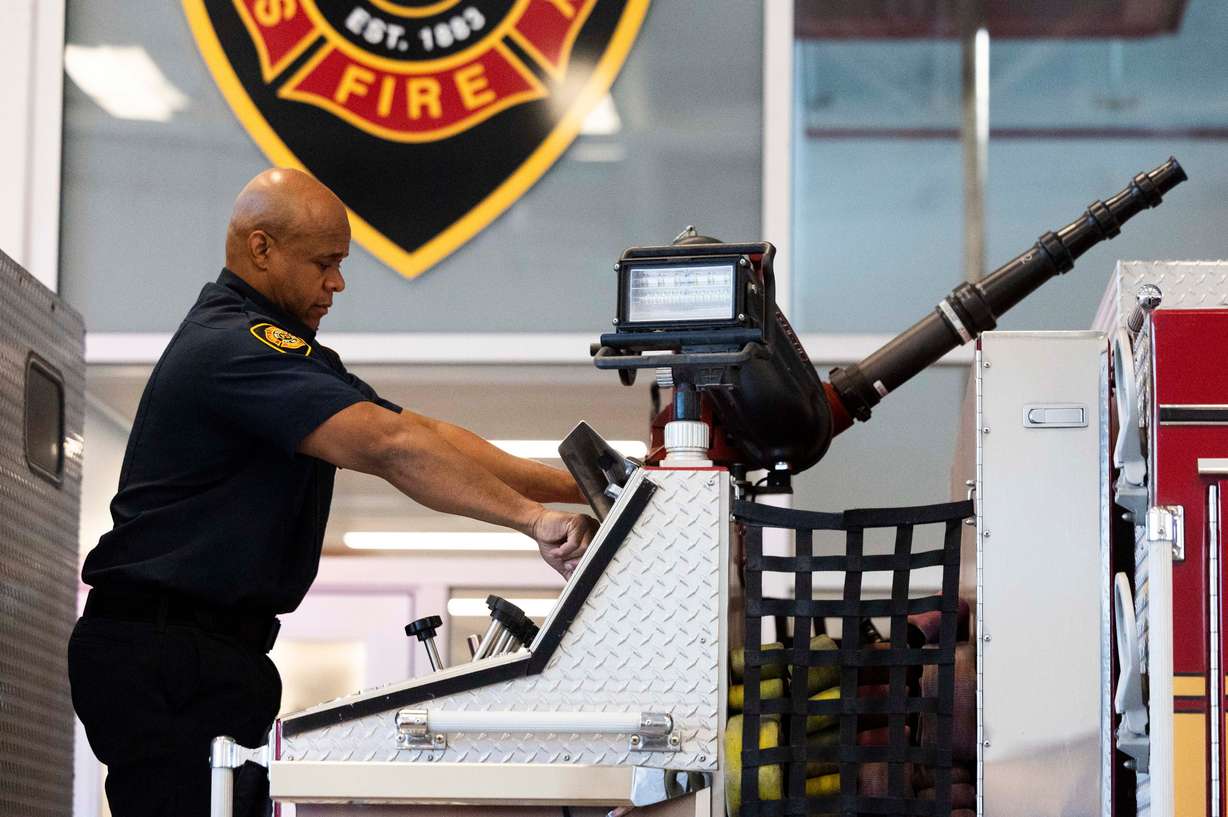
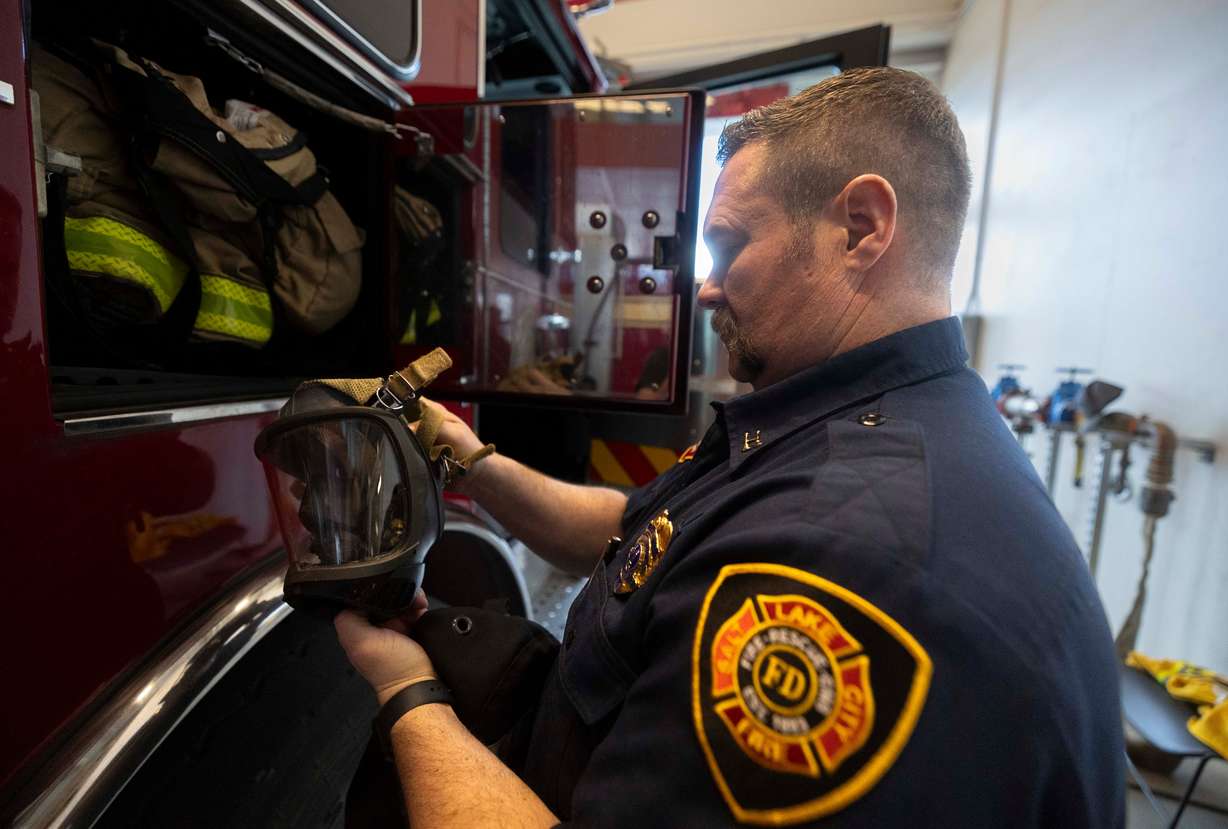
Allred said that these cancers are caused by carcinogens, substances that can cause cancer, that firefighters come in contact with regularly when putting out fires. These come from materials that are in homes, in cars and other areas where firefighters work; they can be plastics, fuels, benzenes and vapors.
"Unfortunately, even the products that are personal protective equipment that we rely on to protect us from the immediate danger, the fire, when exposed to heat breakdown, and even they become absorbent, carcinogenic material. And so we're fighting it on all fronts, both from what we inhale, what we absorb through our skin," Allred said.
The list of presumptive cancers
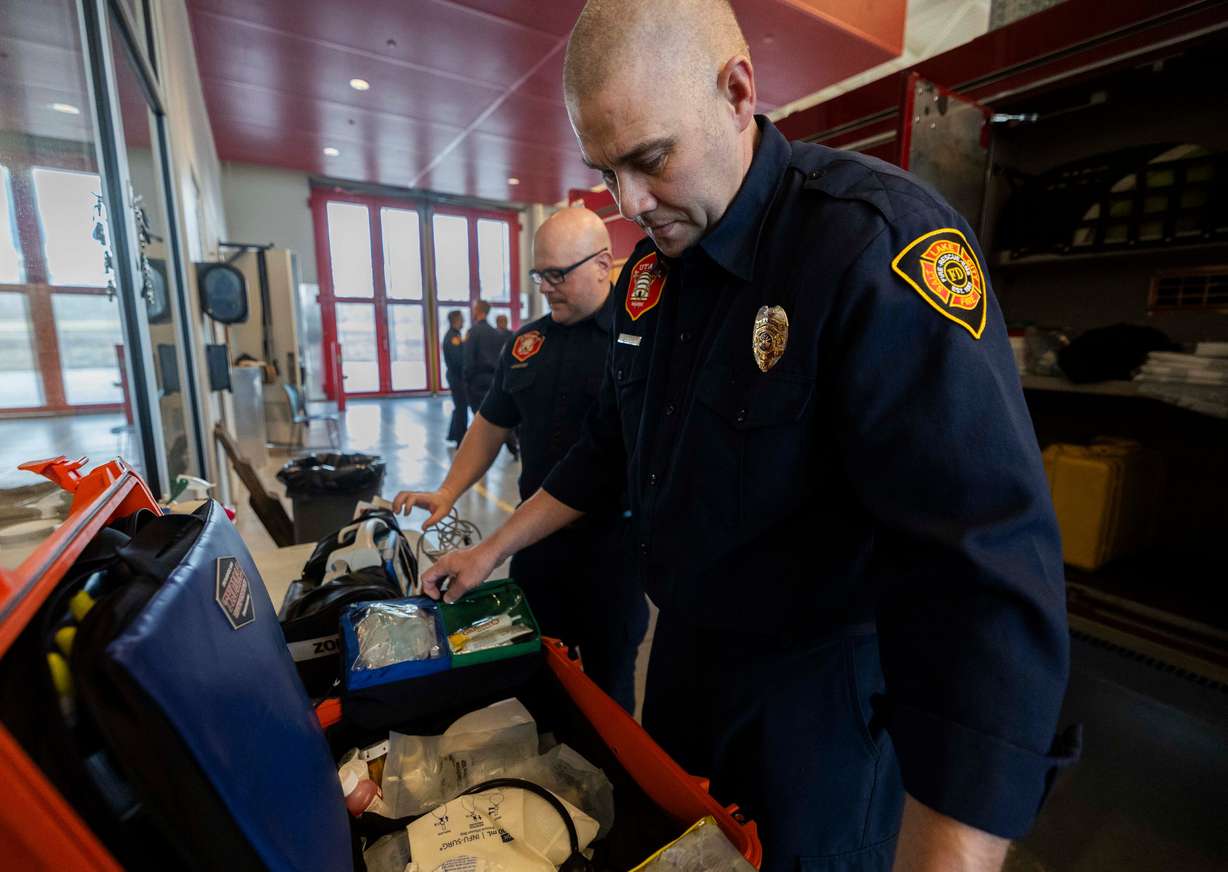
In 2015, a bill passed to set four presumptive cancers for firefighters. Now the list is being expanded to 15. Presumptive cancers are conditions that are presumed to have been caused by one's occupation.
The cancers on the expanded list are:
- Bladder
- Brain
- Colorectal
- Esophageal
- Kidney
- Leukemias
- Lung
- Lymphomas
- Melanomas
- Mesotheliomas
- Oropharynx ovarian
- Prostate
- Testicular
- Thyroid
"The cancers that are added to this list, are added because there is scientific proof and consensus that these particular cancers come as a result of fighting fire, as a result of protecting our communities," Snider said.
Screening cancer in firefighters
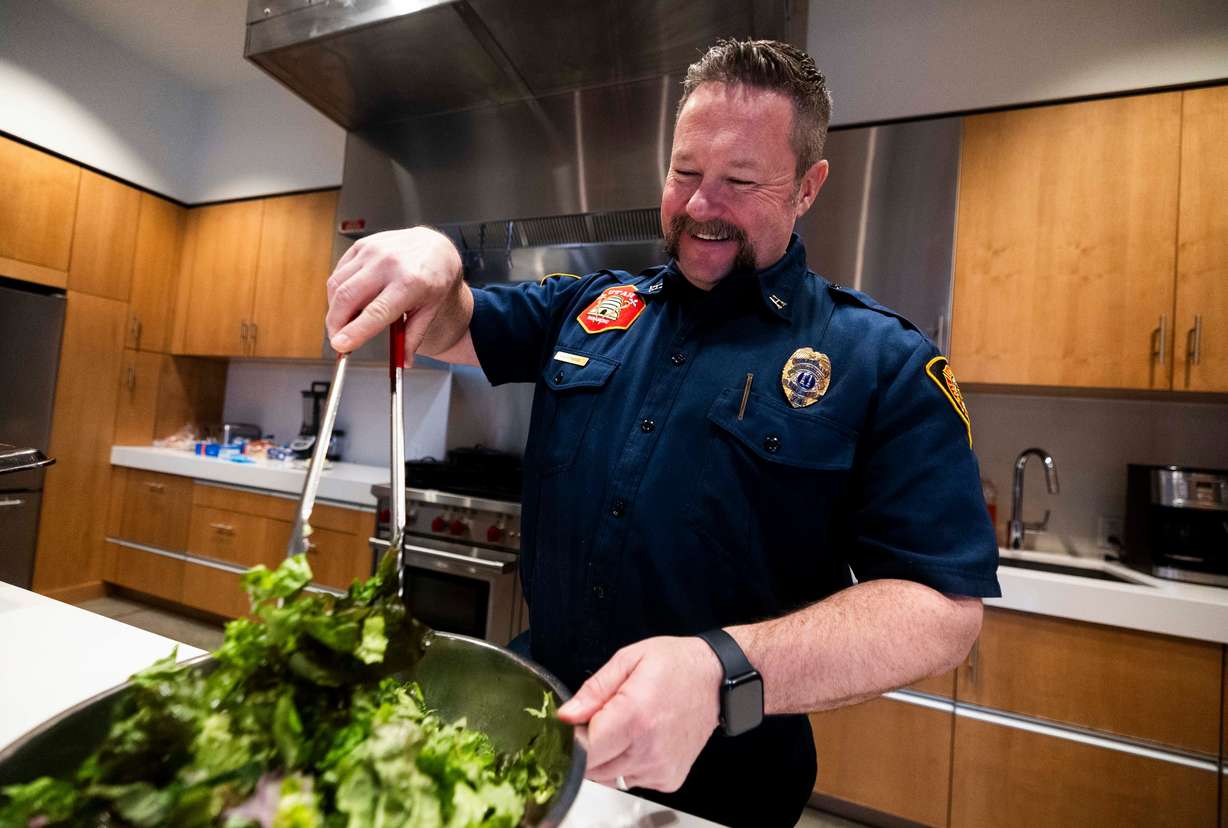
The second part of the bill creates a plan to establish a protocol for screening and ultimately treating cancer in firefighters. Under HB65, the Rocky Mountain Center for Occupational and Environmental Health would perform regular cancer screenings for firefighters in Utah.
"Early detection means early treatment, which should be a better outcome," Tidrow said.
For the first three years, the cancer screenings would be paid for by the state. After the first three years of the program, the fire departments themselves will cover the cost of the screenings for their employees.
Shelby Willis, the deputy chief at Ogden's fire department, used to work in Florida as a firefighter. During her time in Florida, her department provided a cancer screening with her annual physical, where she discovered she had thyroid cancer. Thanks to the screening, she was able to catch it early and had her thyroid removed without needing chemotherapy or radiation.
"This bill really is just about doing what is best for the folks who protect our communities," Snider said.
Tidrow said he doesn't think there is any reason for people to oppose this bill.
"These turn out to be work related injuries, and we just wanted to make sure that our people are cared for as if they would have gotten any other workplace injury," Allred said.