'%3e%3cpath%20d='M34.1406%205.85938C30.3906%202.10547%2025.3047%200%2020%200C14.6953%200%209.60938%202.10547%205.85938%205.85938C2.10938%209.61328%200%2014.6953%200%2020C0%2025.3047%202.10547%2030.3906%205.85938%2034.1406C9.61328%2037.8906%2014.6953%2040%2020%2040C25.3047%2040%2030.3906%2037.8945%2034.1406%2034.1406C37.8906%2030.3906%2040%2025.3047%2040%2020C40%2014.6953%2037.8945%209.60938%2034.1406%205.85938ZM37.0117%2023.543H31.1602V13.5391H27.6328V19.9414C28.1211%2020.6914%2028.3711%2021.582%2028.3711%2022.5625V22.625C28.3711%2023.668%2028.1172%2024.6055%2027.6328%2025.4297V26.6094H36.082C33.4883%2032.9375%2027.2891%2037.3789%2020.0039%2037.3789C10.3711%2037.3789%202.62109%2029.6289%202.62109%2020C2.62109%2010.3711%2010.3711%202.62109%2020%202.62109C29.6289%202.62109%2037.3789%2010.3711%2037.3789%2020C37.3789%2021.1484%2037.2617%2022.2656%2037.0508%2023.3477C37.0391%2023.4141%2037.0234%2023.4766%2037.0117%2023.543Z'%20fill='white'/%3e%3cpath%20d='M22.3086%2018.5352C20.4336%2018.125%2019.9531%2017.8398%2019.9766%2017.1836V17.1406C19.9766%2016.6992%2020.3477%2016.2148%2021.4023%2016.2148C22.582%2016.2148%2023.8867%2016.6797%2025.0781%2017.4766L26.8516%2015.0195C25.4453%2013.8906%2023.707%2013.3398%2021.5547%2013.3398C18.5195%2013.3398%2016.4375%2015%2016.4063%2017.4766V17.5352C16.3633%2020.2617%2018.5859%2020.9805%2021.293%2021.6016C23.0391%2021.9766%2023.5703%2022.3164%2023.5703%2022.9609L23.5469%2022.9766C23.5469%2023.3906%2023.2578%2023.7031%2022.7852%2023.8359C22.5742%2023.9062%2022.1289%2023.9727%2021.5156%2023.9727C20.7617%2023.9727%2019.7539%2023.8633%2018.6328%2023.4844C18.0898%2023.2891%2017.4727%2023.0039%2016.8047%2022.6133L20.1406%2026.625C20.2813%2026.6602%2021.0977%2026.8516%2021.7734%2026.8516C25.0039%2026.8516%2027.0859%2025.2461%2027.1094%2022.6328V22.5703C27.1602%2020.1133%2025.2148%2019.1719%2022.3086%2018.5352Z'%20fill='white'/%3e%3cpath%20d='M5.24219%2013.5664V26.6133H8.75391V23.7578L10.2969%2021.9531L14.2031%2026.6133H18.3867L12.3555%2019.5195L17.4023%2013.5664H13.4531L8.75391%2019.0586V13.5664H5.24219Z'%20fill='white'/%3e%3c/g%3e%3cdefs%3e%3cclipPath%20id='clip0_97_2430'%3e%3crect%20width='40'%20height='40'%20fill='white'/%3e%3c/clipPath%3e%3c/defs%3e%3c/svg%3e)




Estimated read time: 2-3 minutes
This archived news story is available only for your personal, non-commercial use. Information in the story may be outdated or superseded by additional information. Reading or replaying the story in its archived form does not constitute a republication of the story.
SALT LAKE CITY — In an effort to tackle the ongoing homelessness crisis in the state, Utah's Capitol Hill is set to address potential solutions. Part of that discussion will focus on an innovative pilot program that has garnered attention and support. The program involves the use of temporary "micro-shelters," and one nonprofit organization is optimistic about its impact.
The pilot program, initiated in collaboration between Salt Lake City and the Utah Office of Homeless Services, aims to provide a sustainable alternative to traditional homeless shelters. These micro-shelters, each approximately 75 square feet in size, were opened late last year with a total investment of just over $600,000 in acquisition costs. As the six-month pilot progresses, the operational expenses are expected to cost an additional $800,000.
Unlike conventional shelters, the micro-shelters implement stringent security measures, including bag checks to prevent the entry of drugs. Moreover, case workers are on-site to assist residents in accessing the resources necessary for transitioning into more permanent housing. Advocates of the program argue that it offers a long-term solution rather than a temporary fix.
Joni Vierra, one of the 50 residents benefiting from the micro-shelters, expresses gratitude for the opportunity. Having lived on the streets for two decades, she considers the micro-shelter her home. Vierra highlighted the unique features of the shelter.
"This is our bed; we can lift it up, and it turns into a table and chairs," Vierra said. She emphasizes the micro-shelter provides more than just a roof over her head — it offers a sense of security and stability.
Carol Hollowell, CEO of Switchpoint, the nonprofit overseeing the project, believes the personalized approach of the micro-shelter program sets it apart.
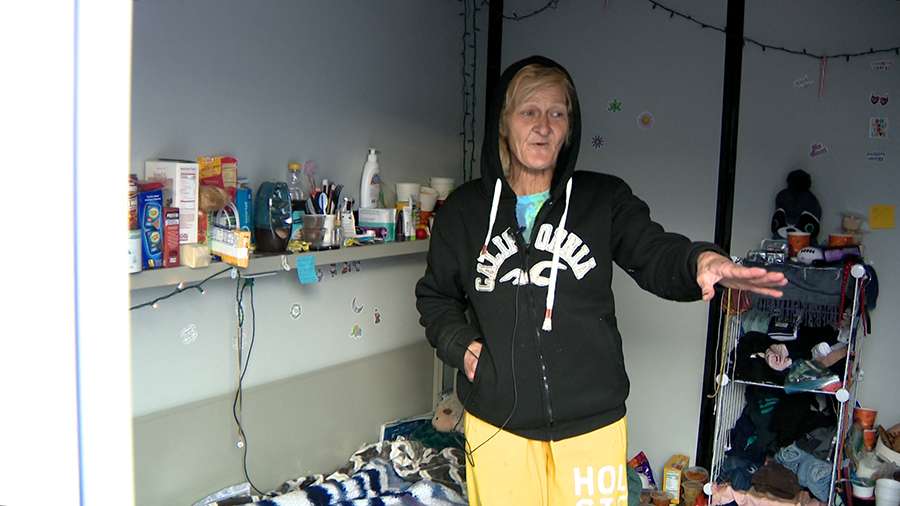
"This allows us to have more one-on-one time and gives them a little bit more privacy," Hollowell said. The program focuses on building relationships with residents and connecting them with essential services.
Site manager Cody Sanders said the program's commitment to helping residents overcome barriers to successful housing is the differentiator many of them need.
"We help them apply for Medicaid, Social Security benefits, we get them involved with housing resources around town — just whatever barriers they might face to successful housing, we help them overcome those barriers," Sanders said.
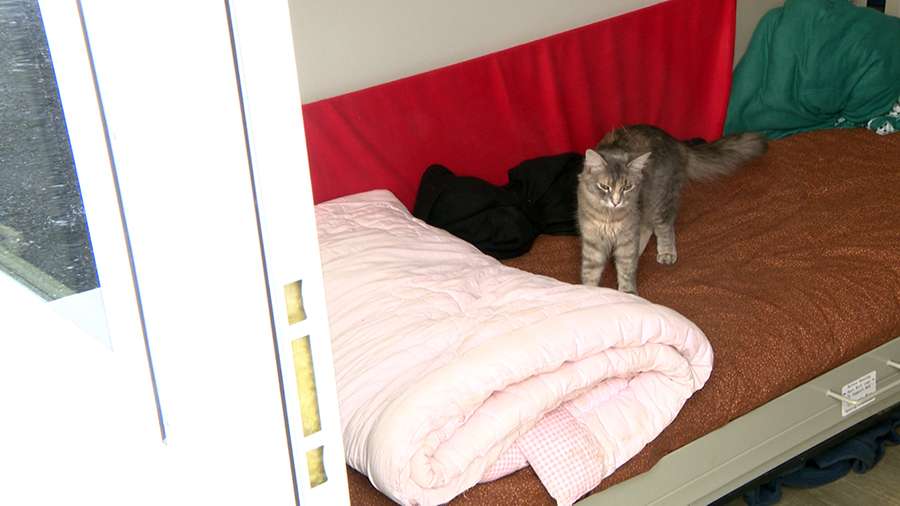
While the project has been operational for only 31 days, Hollowell recognizes it's too soon to declare it a success.
"We'll really have a good sense of what the data is telling us by the end of April," she said. Nevertheless, early signs are promising, with residents like Vierra finding employment and newfound hope for a stable future.
Dozens of faith and community organizations planned to gather in the Board Room at the Utah Capitol Thursday to show support for legislation that would help reduce homelessness. There are several bills up for discussion in the coming days that could expand funding low-income housing and Medicaid funding, among other things.