'%3e%3cpath%20d='M34.1406%205.85938C30.3906%202.10547%2025.3047%200%2020%200C14.6953%200%209.60938%202.10547%205.85938%205.85938C2.10938%209.61328%200%2014.6953%200%2020C0%2025.3047%202.10547%2030.3906%205.85938%2034.1406C9.61328%2037.8906%2014.6953%2040%2020%2040C25.3047%2040%2030.3906%2037.8945%2034.1406%2034.1406C37.8906%2030.3906%2040%2025.3047%2040%2020C40%2014.6953%2037.8945%209.60938%2034.1406%205.85938ZM37.0117%2023.543H31.1602V13.5391H27.6328V19.9414C28.1211%2020.6914%2028.3711%2021.582%2028.3711%2022.5625V22.625C28.3711%2023.668%2028.1172%2024.6055%2027.6328%2025.4297V26.6094H36.082C33.4883%2032.9375%2027.2891%2037.3789%2020.0039%2037.3789C10.3711%2037.3789%202.62109%2029.6289%202.62109%2020C2.62109%2010.3711%2010.3711%202.62109%2020%202.62109C29.6289%202.62109%2037.3789%2010.3711%2037.3789%2020C37.3789%2021.1484%2037.2617%2022.2656%2037.0508%2023.3477C37.0391%2023.4141%2037.0234%2023.4766%2037.0117%2023.543Z'%20fill='white'/%3e%3cpath%20d='M22.3086%2018.5352C20.4336%2018.125%2019.9531%2017.8398%2019.9766%2017.1836V17.1406C19.9766%2016.6992%2020.3477%2016.2148%2021.4023%2016.2148C22.582%2016.2148%2023.8867%2016.6797%2025.0781%2017.4766L26.8516%2015.0195C25.4453%2013.8906%2023.707%2013.3398%2021.5547%2013.3398C18.5195%2013.3398%2016.4375%2015%2016.4063%2017.4766V17.5352C16.3633%2020.2617%2018.5859%2020.9805%2021.293%2021.6016C23.0391%2021.9766%2023.5703%2022.3164%2023.5703%2022.9609L23.5469%2022.9766C23.5469%2023.3906%2023.2578%2023.7031%2022.7852%2023.8359C22.5742%2023.9062%2022.1289%2023.9727%2021.5156%2023.9727C20.7617%2023.9727%2019.7539%2023.8633%2018.6328%2023.4844C18.0898%2023.2891%2017.4727%2023.0039%2016.8047%2022.6133L20.1406%2026.625C20.2813%2026.6602%2021.0977%2026.8516%2021.7734%2026.8516C25.0039%2026.8516%2027.0859%2025.2461%2027.1094%2022.6328V22.5703C27.1602%2020.1133%2025.2148%2019.1719%2022.3086%2018.5352Z'%20fill='white'/%3e%3cpath%20d='M5.24219%2013.5664V26.6133H8.75391V23.7578L10.2969%2021.9531L14.2031%2026.6133H18.3867L12.3555%2019.5195L17.4023%2013.5664H13.4531L8.75391%2019.0586V13.5664H5.24219Z'%20fill='white'/%3e%3c/g%3e%3cdefs%3e%3cclipPath%20id='clip0_97_2430'%3e%3crect%20width='40'%20height='40'%20fill='white'/%3e%3c/clipPath%3e%3c/defs%3e%3c/svg%3e)



Estimated read time: 6-7 minutes
This archived news story is available only for your personal, non-commercial use. Information in the story may be outdated or superseded by additional information. Reading or replaying the story in its archived form does not constitute a republication of the story.
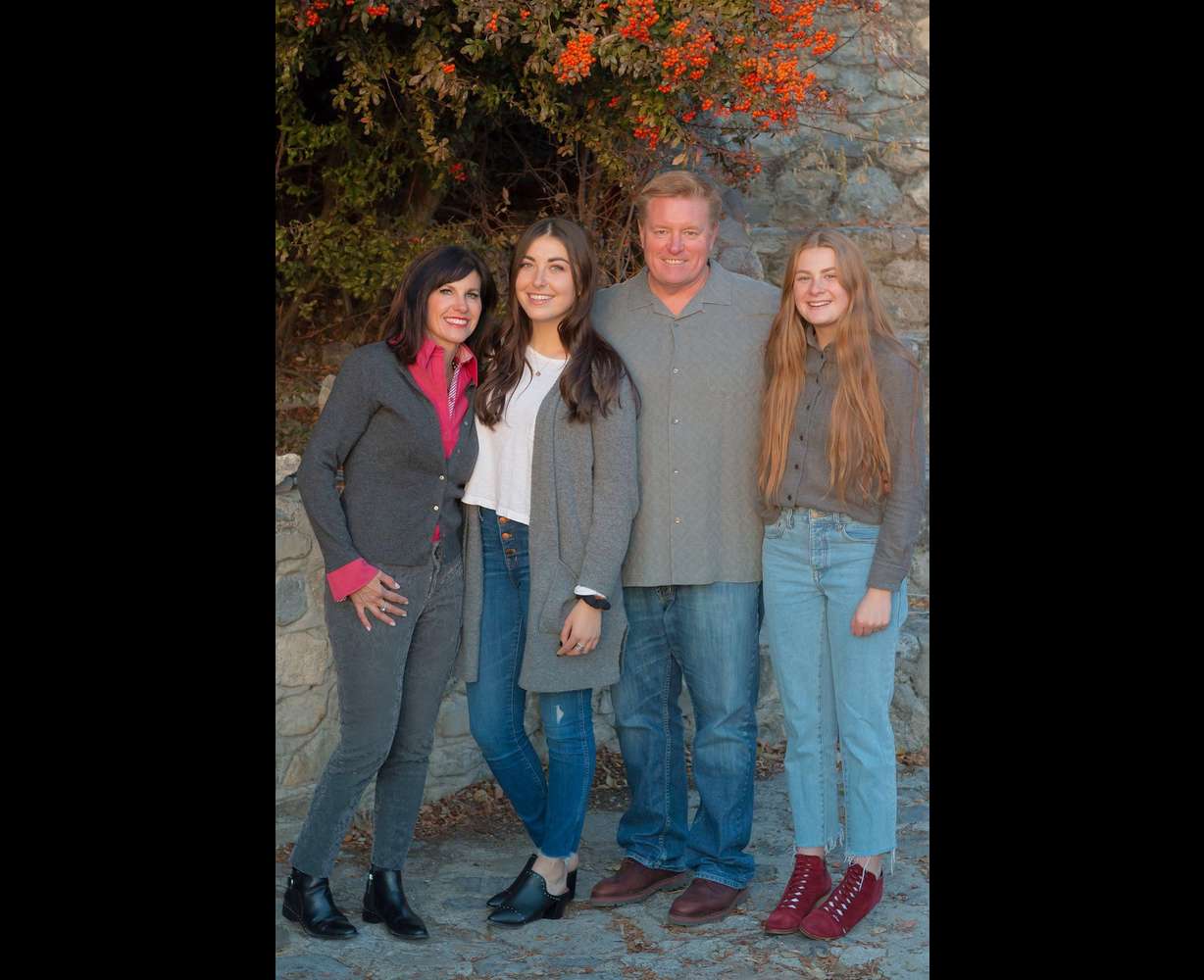
SALT LAKE CITY — A daughter and a wife shared memories Monday of the man who left their lives too soon. They said the justice system is flawed when a man can cause a death by making a choice to do drugs and drive irresponsibly, and not serve any time after he is found guilty.
"My dad was my hero. For as long as I can remember, I've looked up to him with immense admiration and respect. He's the person I will spend the rest of my life trying to emulate. ... He left this world far too soon, and we're desperately in need of more people like him," Anne Marie Bradham said.
Arthur Miller, 55, was killed in December of 2020 in a crash caused by a driver who had drugs in his system and was fleeing from a minor hit-and-run accident.
The family was disappointed Thursday when a jury decided to find that driver, Mitchell Solstad, guilty of a lesser charge of negligent homicide instead of manslaughter. Because the new charge carries a sentence that is shorter than what Solstad had already served, the man's sentencing was held on Monday, only four days later.
Bradham said going directly from the jury trial, where she relived the accident that killed her father in graphic detail, to the sentencing just a few days later was traumatizing, and the family deserved more time.
"The result of this trial has only shown (Solstad) how easy it is to kill another person and easily get off the hook. It infuriates me that ... he has been shown so much mercy when my dad was shown none," she said.
Solstad, 28, was sentenced to the maximum possible sentence on Monday — 634 days in jail — for the three misdemeanor charges of which he was found guilty. However, he was given credit for time served, which means he will not spend any more time in jail.
Third District Judge Kara Pettit said she is bound by the law of Utah and the jury's decision, but she said she agrees that he needs "significant intervention" and accountability.
"Your conduct was selfish, senseless, careless and absolutely avoidable — 100% — and I am quite concerned about the safety of the community in light of not only what the jury found in this case but the allegations (in another case). It's remarkably concerning to the court," she told Solstad.
Solstad was found guilty on July 13 of negligent homicide, a class A misdemeanor, after he was initially charged with manslaughter, a second-degree felony. He was also found guilty of driving with a controlled substance, a class B misdemeanor; operating a vehicle without insurance, a class C misdemeanor; and infractions for not having a license or registration. The 634 days in jail includes consecutive sentences for each misdemeanor.
He was found not guilty of use or possession of drug paraphernalia, and a charge for reckless driving was dismissed shortly before trial.
Although Solstad's attorney, Wendy Lewis, argued that he had already served his sentence and should not also have probation, Pettit ordered him to pay a maximum possible fine, $4,250, as part of his sentence but suspended that fine if Solstad successfully completes two years of probation.
"I think it's absolutely necessary for him to have supervision if he's released to the community," the judge said.
She also ordered that he not drive any type of vehicle, and to stay away from drugs and alcohol.
The judge said she carefully read, and was moved by, over 60 victim impact statements filed by individuals since the jury reached its verdict.
The victim's wife, Alicia Miller, said with more time there would have been 600 letters. She pulled out stacks of sympathy cards the family had received to show the judge how the community has rallied around the family.
She said Arthur Miller was the adolescent boys' unit director at the Utah State Hospital when he died, which is where Solstad spent his adolescent years — although he was not at the program while Miller was there. Alicia Miller said Solstad has been convicted of crimes almost every year since he was released from the program, and was facing other charges for which he had failed to appear in court at the time of the crash that killed her husband.
"Regardless of whatever definitions are used, this person is a threat and a danger to society on so many levels," she said.
Miller said he should not be released and given credit for the time he has served; she argued Solstad has only done his best when in the hospital and able to consistently be on medication.
"This is like rubbing salt into wounds that have been open to our family for two-and-a-half years. If that is the case, we are being victimized again, this time by a system that is designed to protect guilty people, not the innocent," she said.
She read notes from some of the teenagers her husband had helped, which they wrote to her after his death, and from members of their family.
"He did everything in his power to make me, his daughters, and his other family members happy and to make our lives better. The loss of this amazing man has left more than a hole in this world. It has left a chasm," she said.
Deputy Salt Lake County attorney Chris Alberico said the prosecutors respect the jury's decision, "even though we believe they got it wrong." He said the prosecutors wanted the court to do all in its power, which is releasing Solstad on probation and asking for Solstad to give money to the victims for financial damages they have incurred due to the death.
Solstad was not taken into custody immediately after the crash in December 2020, but was charged in February 2021 and arrested in March of that year. Bradham said him not being in custody caused her anxiety, and she was worried about the safety of herself and others.
"For a long time I was scared to leave my house and I wanted nothing to do with anyone outside of my family. I've also realized my life is now lived in fear of something like this happening again. I'm constantly concerned and anxious for the safety and well-being of everyone around me, as I now know lives can be taken so senselessly," she said.
Bradham said even 15 years in prison would not reflect justice for the loss of her father. She said her father worked to help people with mental illnesses rehabilitate, and it is "cruel irony" that he was killed by one of the people he would have tried to help.
"I now know that our system does not protect victims or their families. It also does not protect criminals from themselves. If the justice system had functioned properly, Mitchell wouldn't have been allowed on the streets after demonstrating repeatedly that he's a violent criminal with no regard for human life. And he wouldn't have had the opportunity to kill my father. I now worry for the next person's life he'll ruin through the consequences of his own poor decisions," she said.
Solstad has other pending charges, and on Monday the judge ruled that he could be released from custody if he paid bail for those cases, but required him to wear an ankle monitor and be under supervision by Adult Probation and Parole.