'%3e%3cpath%20d='M34.1406%205.85938C30.3906%202.10547%2025.3047%200%2020%200C14.6953%200%209.60938%202.10547%205.85938%205.85938C2.10938%209.61328%200%2014.6953%200%2020C0%2025.3047%202.10547%2030.3906%205.85938%2034.1406C9.61328%2037.8906%2014.6953%2040%2020%2040C25.3047%2040%2030.3906%2037.8945%2034.1406%2034.1406C37.8906%2030.3906%2040%2025.3047%2040%2020C40%2014.6953%2037.8945%209.60938%2034.1406%205.85938ZM37.0117%2023.543H31.1602V13.5391H27.6328V19.9414C28.1211%2020.6914%2028.3711%2021.582%2028.3711%2022.5625V22.625C28.3711%2023.668%2028.1172%2024.6055%2027.6328%2025.4297V26.6094H36.082C33.4883%2032.9375%2027.2891%2037.3789%2020.0039%2037.3789C10.3711%2037.3789%202.62109%2029.6289%202.62109%2020C2.62109%2010.3711%2010.3711%202.62109%2020%202.62109C29.6289%202.62109%2037.3789%2010.3711%2037.3789%2020C37.3789%2021.1484%2037.2617%2022.2656%2037.0508%2023.3477C37.0391%2023.4141%2037.0234%2023.4766%2037.0117%2023.543Z'%20fill='white'/%3e%3cpath%20d='M22.3086%2018.5352C20.4336%2018.125%2019.9531%2017.8398%2019.9766%2017.1836V17.1406C19.9766%2016.6992%2020.3477%2016.2148%2021.4023%2016.2148C22.582%2016.2148%2023.8867%2016.6797%2025.0781%2017.4766L26.8516%2015.0195C25.4453%2013.8906%2023.707%2013.3398%2021.5547%2013.3398C18.5195%2013.3398%2016.4375%2015%2016.4063%2017.4766V17.5352C16.3633%2020.2617%2018.5859%2020.9805%2021.293%2021.6016C23.0391%2021.9766%2023.5703%2022.3164%2023.5703%2022.9609L23.5469%2022.9766C23.5469%2023.3906%2023.2578%2023.7031%2022.7852%2023.8359C22.5742%2023.9062%2022.1289%2023.9727%2021.5156%2023.9727C20.7617%2023.9727%2019.7539%2023.8633%2018.6328%2023.4844C18.0898%2023.2891%2017.4727%2023.0039%2016.8047%2022.6133L20.1406%2026.625C20.2813%2026.6602%2021.0977%2026.8516%2021.7734%2026.8516C25.0039%2026.8516%2027.0859%2025.2461%2027.1094%2022.6328V22.5703C27.1602%2020.1133%2025.2148%2019.1719%2022.3086%2018.5352Z'%20fill='white'/%3e%3cpath%20d='M5.24219%2013.5664V26.6133H8.75391V23.7578L10.2969%2021.9531L14.2031%2026.6133H18.3867L12.3555%2019.5195L17.4023%2013.5664H13.4531L8.75391%2019.0586V13.5664H5.24219Z'%20fill='white'/%3e%3c/g%3e%3cdefs%3e%3cclipPath%20id='clip0_97_2430'%3e%3crect%20width='40'%20height='40'%20fill='white'/%3e%3c/clipPath%3e%3c/defs%3e%3c/svg%3e)



Estimated read time: 2-3 minutes
This archived news story is available only for your personal, non-commercial use. Information in the story may be outdated or superseded by additional information. Reading or replaying the story in its archived form does not constitute a republication of the story.
SALT LAKE CITY — Spring cleanup in Little Cottonwood Canyon is a bigger job than usual this year because of the record-breaking snowfall and the number of avalanches in the canyon.
Utah's Department of Transportation and the U.S. Forest Service are dealing with the destruction dealt to the road and the forest in the snowiest winter ever in the canyon.
"This year, more than any other year, we had just massive storms," said UDOT Director of Communications John Gleason.
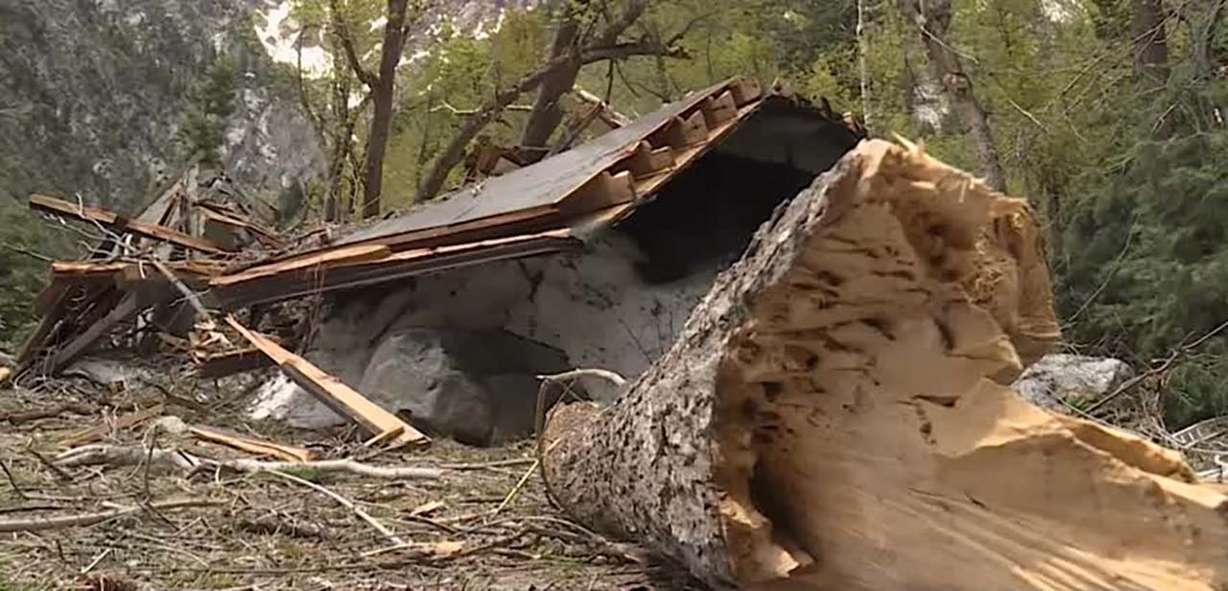
Vast piles of tangled avalanche debris and snapped trees litter the walls throughout the canyon.
This past winter, 98 avalanches hit Little Cottonwood Canyon Road — natural avalanches and those set off by snow safety teams. Sixty-two of those were large enough to bury a vehicle or destroy a wood frame house. That lead to 34 full canyon road closures, the greatest number ever, totaling nearly 1,500 hours.
"Not only are you seeing a lot of rocks and debris that came down the mountain, you're seeing some erosion in places that we've had to repair," Gleason said.
Going back to November, it's been an ongoing effort by UDOT road crews to keep state Route 210 ready for travelers. The workers who did all of the plowings are the same ones cleaning up.
"Now they're transitioning to filling potholes and flood mitigation, cleaning up some of the issues that the big avalanches brought us, as well," Gleason said.
The U.S. Forest Service is also assessing damage to recreation areas and the forest in this canyon and across the state.
"We're seeing more and more that we have trees down on the trails, and we probably will get some areas that wash out in the trails as well," said David Whittekiend, forest supervisor of the Uinta-Wasatch-Cache National Forest.
Many high-elevation recreation areas are still covered in snow, so they don't entirely know the extent of the damage.
"If it's an area that's not associated with a recreation site, we'll probably just let it go back to nature essentially," Whittekiend said. "Nature created it with the avalanche and will take care of it. Those trees will eventually break down."
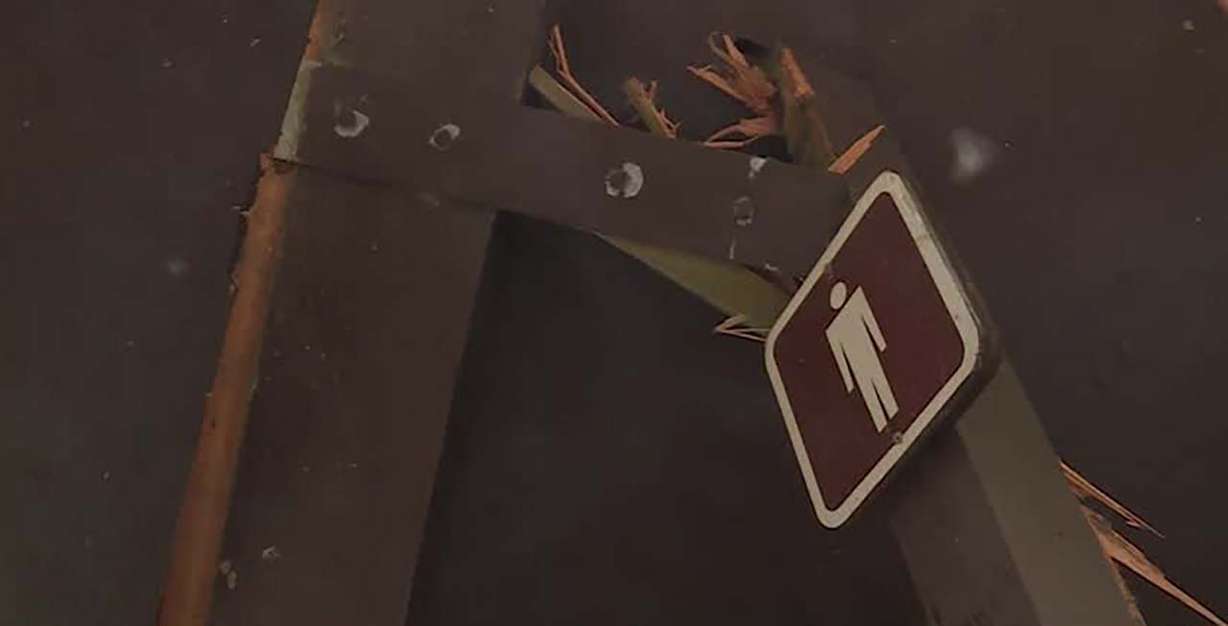
A large avalanche hit Tanners Flat Campground, damaged an outhouse, and left large trees and avalanche debris across the campground.
"We do have crews working in the recreation areas that we know have damage, and they're working as quickly as they can to get those recreation areas open," Whittekiend said.
He said there are several summers worth of work across the national forest. They will prioritize recreation areas first, then move on to trail clearing and repair.