'%3e%3cpath%20d='M34.1406%205.85938C30.3906%202.10547%2025.3047%200%2020%200C14.6953%200%209.60938%202.10547%205.85938%205.85938C2.10938%209.61328%200%2014.6953%200%2020C0%2025.3047%202.10547%2030.3906%205.85938%2034.1406C9.61328%2037.8906%2014.6953%2040%2020%2040C25.3047%2040%2030.3906%2037.8945%2034.1406%2034.1406C37.8906%2030.3906%2040%2025.3047%2040%2020C40%2014.6953%2037.8945%209.60938%2034.1406%205.85938ZM37.0117%2023.543H31.1602V13.5391H27.6328V19.9414C28.1211%2020.6914%2028.3711%2021.582%2028.3711%2022.5625V22.625C28.3711%2023.668%2028.1172%2024.6055%2027.6328%2025.4297V26.6094H36.082C33.4883%2032.9375%2027.2891%2037.3789%2020.0039%2037.3789C10.3711%2037.3789%202.62109%2029.6289%202.62109%2020C2.62109%2010.3711%2010.3711%202.62109%2020%202.62109C29.6289%202.62109%2037.3789%2010.3711%2037.3789%2020C37.3789%2021.1484%2037.2617%2022.2656%2037.0508%2023.3477C37.0391%2023.4141%2037.0234%2023.4766%2037.0117%2023.543Z'%20fill='white'/%3e%3cpath%20d='M22.3086%2018.5352C20.4336%2018.125%2019.9531%2017.8398%2019.9766%2017.1836V17.1406C19.9766%2016.6992%2020.3477%2016.2148%2021.4023%2016.2148C22.582%2016.2148%2023.8867%2016.6797%2025.0781%2017.4766L26.8516%2015.0195C25.4453%2013.8906%2023.707%2013.3398%2021.5547%2013.3398C18.5195%2013.3398%2016.4375%2015%2016.4063%2017.4766V17.5352C16.3633%2020.2617%2018.5859%2020.9805%2021.293%2021.6016C23.0391%2021.9766%2023.5703%2022.3164%2023.5703%2022.9609L23.5469%2022.9766C23.5469%2023.3906%2023.2578%2023.7031%2022.7852%2023.8359C22.5742%2023.9062%2022.1289%2023.9727%2021.5156%2023.9727C20.7617%2023.9727%2019.7539%2023.8633%2018.6328%2023.4844C18.0898%2023.2891%2017.4727%2023.0039%2016.8047%2022.6133L20.1406%2026.625C20.2813%2026.6602%2021.0977%2026.8516%2021.7734%2026.8516C25.0039%2026.8516%2027.0859%2025.2461%2027.1094%2022.6328V22.5703C27.1602%2020.1133%2025.2148%2019.1719%2022.3086%2018.5352Z'%20fill='white'/%3e%3cpath%20d='M5.24219%2013.5664V26.6133H8.75391V23.7578L10.2969%2021.9531L14.2031%2026.6133H18.3867L12.3555%2019.5195L17.4023%2013.5664H13.4531L8.75391%2019.0586V13.5664H5.24219Z'%20fill='white'/%3e%3c/g%3e%3cdefs%3e%3cclipPath%20id='clip0_97_2430'%3e%3crect%20width='40'%20height='40'%20fill='white'/%3e%3c/clipPath%3e%3c/defs%3e%3c/svg%3e)


Estimated read time: 7-8 minutes
This archived news story is available only for your personal, non-commercial use. Information in the story may be outdated or superseded by additional information. Reading or replaying the story in its archived form does not constitute a republication of the story.
ST. GEORGE — Learning you have a high risk of cancer is not something anyone wants, but a simple DNA evaluation became an important crystal ball for one woman, who learned she was high-risk for the potentially life-altering disease.
Since she is aware of her heightened risk, she can plan her health care to make diagnosis during an early stage more likely.
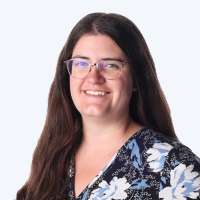
Madison "Madi" Certonio, 25, found out through participation in an Intermountain Healthcare study, the HerediGene: Population Study, that she inherited a defect in a gene called BRCA2. The DNA error allows cells to have uncontrolled growth, which could lead to a tumor. This defect results in a 65% to 80% chance of developing breast cancer, and a higher than normal risk for both ovarian and skin cancer.
The St. George woman said it was shocking at her age to hear that she had this rare gene, but she is glad to have the information now so that she can take preventive steps to keep herself healthy.
"I could have gotten cancer and had no idea that I had the gene, and now we can catch it early because I know. So I have a choice now," Certonio said.
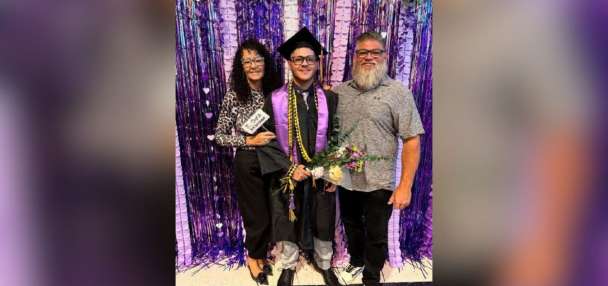
Certonio's dad, Claude Gubler, said the family is proud of Certonio for taking precautions and steps to improve her health. He said the knowledge has been helpful, too, for their entire family. He has sent in a kit for the study and is waiting to see if he has the defect in his genes as well.
Because of his daughter's experience, he is already taking some precautions and recognizes he could be predisposed to prostate cancer and pancreatic cancer.
"It's just nice knowing that we have that knowledge and can take precautions moving forward," Gubler said.
What is the HerediGene study?
The HerediGene population study began about 3½ years ago. Dr. Lincoln Nadauld, an Intermountain oncologist who founded the study, said the goal is to have hundreds of thousands of patients join the database, and they are making progress with over 150,000 participants so far.
"This study is the largest of its kind in health care," Nadauld said Wednesday.
Certonio is just one of many who have learned about a high cancer risk before seeing any physical signs. Nadauld said DNA and genetics have already transformed medical responses to disease, and that treating cancer is significantly different from 10 years ago because of a growing knowledge regarding DNA.
"This study is helping people live the healthiest lives possible by identifying their health risks and intervening as soon as possible," he said.
Nadauld said Intermountain has been involved in precision medicine — using genetic information to adjust routine medical care — for over a decade; which he said has led to progress in treatments of cancer, cardiovascular disease and behavioral health.
DNA is changing the way that we treat medicine today and it will continue to impact the way that we treat patients for years and decades.
–Dr. Lincoln Nadauld, oncologist and researcher
The HerediGene study looks closely at 104 of the 20,000 genes in a participant's genome, genes which have been verified to impact health and show inherited cancer syndromes or other risks. If researchers find a gene variant, they contact the participant and ask if they would like to receive the results before verifying them with another physician, and then connecting the individual with genetic counselors.
Nadauld expressed gratitude for everyone who has participated in the study.
He said when beginning the study, they anticipated about 2.5% of participants would have a gene showing additional risks, but about 8% of participants have shown results with concerning genes.
"It's approximately three times higher than we thought. So, happily, we are calling those individuals who are impacted by this. We are informing them of whatever condition we have found, and we're helping them to receive the care that they need," Nadault said.
Howard McLeod, executive clinical director for precision health at Intermountain, said this program is impacting people across each of Intermountain's facilities, including 33 hospitals and 400 clinics in nine different states. People in each of those nine states, and more, are participating in the study.
"There are hundreds of individuals that are working every day to make this study happen," McLeod said.
He said knowing there is a gene that causes greater risk can help people make a plan, instead of addressing health issues when there is an emergency. In some cases, understanding the genetic underpinnings of a disease risk can also help doctors know how to intervene.
"You can understand, well before this problem, what is coming. We will never be perfect, but we can sure be great," McLeod said.
He said risk is part of life, but knowing certain risks a patient has can lead to better care. In some instances, the knowledge found from these genes can bring important preventable care, like cancer screenings or even an implanted defibrillator for patients who have a risk of sudden death from heart failure.
Use of data for DNA research
Nadauld said in addition to helping individuals take preventive steps, HerediGene is also providing data that can help doctors learn more about genetic diseases. He said recent collaborations with Amgen, a company based in Reykjavik, Iceland, have allowed them to learn about genes that cause vertigo and non-alcoholic fatty liver disease.
"We're thrilled that this study is not only impacting patients right now and helping them live the healthiest lives possible, but it is contributing directly to discoveries that will help tomorrow's patients," Nadauld said.
Nadauld said DNA is already being used to decide how to best treat depression and anxiety. Neonatal units are also looking for gene variants to explain infants' poor conditions, allowing them to intervene with more personalized treatment.
"DNA is changing the way that we treat medicine today and it will continue to impact the way that we treat patients for years and decades," he said.
Anyone who wants to participate in the study can, and there are no age or location restrictions. To be a participant, fill out an online consent form and provide a tube of blood to Intermountain, which can be done while getting blood drawn at any Intermountain facility.
McLeod said early on in DNA use for preventive care, that many discoveries were based in Utah because the state has large family structures available. Now, people around the world are benefiting from what has been learned here.
Next steps for Certonio
Certonio was introduced to the study while doing routine blood work. Her doctor called and said they had extra blood and asked if she wanted to join. She agreed, partially because her dad was adopted, so they have little genetic information from his side of the family, but knew there was a family history of breast cancer.
"It's scary, but knowledge is power, and I'm grateful to know this information at this stage in my life so I can make decisions and choices that will ultimately help to save my life," said Certonio. "I've had a lot of big changes in my life finding this out, but these are changes that will help save me."
Her gene discovery led to a meeting with a high-risk oncologist for further testing and the development of a care plan. Certonio plans to do additional routine checks for breast cancer and ovarian cancer so that if and when cancer begins to develop, she will be able to address it at an earlier stage.
This includes MRIs, mammograms, pelvic ultrasounds and tests, for now; and, later a discussion of preventive surgeries like a mastectomy or hysterectomy. Because of this, Certonio has also pushed up the timeline for when she and her husband may start having children.
Since seeing her results, she's encouraged family members to join the study as well, along with anyone else.
"I just know knowledge is power. I'm really, really lucky that they found this and I'm just grateful because now my sisters, my brother, my dad, my mom, my future kids, they can all be tested. ... It's essentially saving a bunch of lives," Certonio said.