'%3e%3cpath%20d='M34.1406%205.85938C30.3906%202.10547%2025.3047%200%2020%200C14.6953%200%209.60938%202.10547%205.85938%205.85938C2.10938%209.61328%200%2014.6953%200%2020C0%2025.3047%202.10547%2030.3906%205.85938%2034.1406C9.61328%2037.8906%2014.6953%2040%2020%2040C25.3047%2040%2030.3906%2037.8945%2034.1406%2034.1406C37.8906%2030.3906%2040%2025.3047%2040%2020C40%2014.6953%2037.8945%209.60938%2034.1406%205.85938ZM37.0117%2023.543H31.1602V13.5391H27.6328V19.9414C28.1211%2020.6914%2028.3711%2021.582%2028.3711%2022.5625V22.625C28.3711%2023.668%2028.1172%2024.6055%2027.6328%2025.4297V26.6094H36.082C33.4883%2032.9375%2027.2891%2037.3789%2020.0039%2037.3789C10.3711%2037.3789%202.62109%2029.6289%202.62109%2020C2.62109%2010.3711%2010.3711%202.62109%2020%202.62109C29.6289%202.62109%2037.3789%2010.3711%2037.3789%2020C37.3789%2021.1484%2037.2617%2022.2656%2037.0508%2023.3477C37.0391%2023.4141%2037.0234%2023.4766%2037.0117%2023.543Z'%20fill='white'/%3e%3cpath%20d='M22.3086%2018.5352C20.4336%2018.125%2019.9531%2017.8398%2019.9766%2017.1836V17.1406C19.9766%2016.6992%2020.3477%2016.2148%2021.4023%2016.2148C22.582%2016.2148%2023.8867%2016.6797%2025.0781%2017.4766L26.8516%2015.0195C25.4453%2013.8906%2023.707%2013.3398%2021.5547%2013.3398C18.5195%2013.3398%2016.4375%2015%2016.4063%2017.4766V17.5352C16.3633%2020.2617%2018.5859%2020.9805%2021.293%2021.6016C23.0391%2021.9766%2023.5703%2022.3164%2023.5703%2022.9609L23.5469%2022.9766C23.5469%2023.3906%2023.2578%2023.7031%2022.7852%2023.8359C22.5742%2023.9062%2022.1289%2023.9727%2021.5156%2023.9727C20.7617%2023.9727%2019.7539%2023.8633%2018.6328%2023.4844C18.0898%2023.2891%2017.4727%2023.0039%2016.8047%2022.6133L20.1406%2026.625C20.2813%2026.6602%2021.0977%2026.8516%2021.7734%2026.8516C25.0039%2026.8516%2027.0859%2025.2461%2027.1094%2022.6328V22.5703C27.1602%2020.1133%2025.2148%2019.1719%2022.3086%2018.5352Z'%20fill='white'/%3e%3cpath%20d='M5.24219%2013.5664V26.6133H8.75391V23.7578L10.2969%2021.9531L14.2031%2026.6133H18.3867L12.3555%2019.5195L17.4023%2013.5664H13.4531L8.75391%2019.0586V13.5664H5.24219Z'%20fill='white'/%3e%3c/g%3e%3cdefs%3e%3cclipPath%20id='clip0_97_2430'%3e%3crect%20width='40'%20height='40'%20fill='white'/%3e%3c/clipPath%3e%3c/defs%3e%3c/svg%3e)




Estimated read time: 4-5 minutes
This archived news story is available only for your personal, non-commercial use. Information in the story may be outdated or superseded by additional information. Reading or replaying the story in its archived form does not constitute a republication of the story.
SALT LAKE CITY — As the Salt Lake Acting Company focused on removing barriers and making its theaters a welcoming space for all members of the public, it was presented with a significant roadblock.
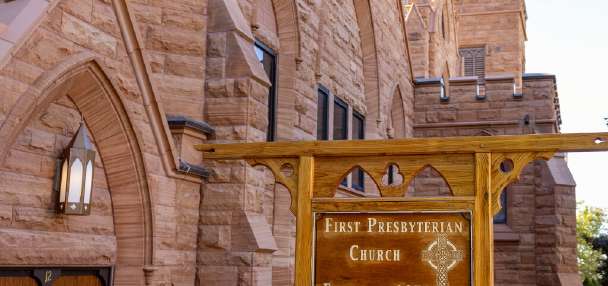
Like most historic buildings, the company's location in an old church was not accessible to all.
The company eventually raised enough funds to do a full remodel that included adding an elevator and making areas like restrooms and dressing rooms more accessible. The funds were also used to update the company's website to include accessibility at the forefront, such as information about what to expect when visiting, for anyone with sensory sensitivity or anxiety.
"If we're proactive about making accommodations before people have to ask for them, that will build trust with the communities," Natalie Keezer, the company's accessibility coordinator, said. "And they will hopefully continue to come back and be a part of our company."
Utah leaders from sectors ranging from economic development to the arts stressed the importance of effective community engagement during a webinar Wednesday.
The event was the last in a series hosted by the Utah Division Of Multicultural Affairs that explored cross-sector impacts. The webinar participants discussed lessons they've learned about how to effectively engage with diverse communities in the state.
Cristóbal Villegas, Utah Transit Authority community engagement specialist, said the transportation agency tries to go above and beyond what it is mandated for inclusion and equity based on federal laws.
"We see these as not necessarily our guideline, but like, OK, what is the minimum? What else can we do? How can we do things better? How can we ensure that we're thinking for those people or that we include them in a process?" Villegas said.
For example, although the area has enough Spanish speakers with limited proficiency to require UTA to have communications in Spanish, the authority has also worked on translating a flyer into 10 different Asian languages.
Although Villegas said utilizing existing data and experts to better understand communities is helpful, he also stressed that community engagement is different marketing.
"Marketing is more one way; community engagement is a two-way street," he said. "We've got to listen and we talk, and then they've got to listen and they talk. And we keep going back and forth. That's what makes community engagement so thrilling because there's always things that we can learn."
Building networks
Connecting with other organizations can help fill gaps, according to the webinar's participants.
For the Salt Lake Center of Opportunity Partnership, for example, partnering with 11 other organizations allowed them to help over 900 small businesses recover from the pandemic through the Economic Inclusion Community Assistance Program.
"One of the things we need to start doing is getting out of our own silos," said Antonella Packard, Salt Lake County's economic development manager and the Opportunity Partnership's program manager.
Packard said the Opportunity Partnership's model is to treat community members and advocates as experts who can then inform Opportunity Partnership workers about needs. The Opportunity Partnership is then able to use its partnerships to connect businesses with other service providers to ensure their needs are met in a culturally appropriate way.
Keezer acknowledged that there is a financial element to making some of the changes necessary to including diverse communities. However, Packard added that when resources are limited, one solution is to leverage resources other organizations have.
Finding the right communication methods
Cristina Reyes, rural services coordinator and bookmobile program specialist, discovered the importance of "meeting people where they are" as she worked on the bookmobile program with Sanpete County.
Although bookmobile services had been in the rural county for decades, the state had changed how it communicates with community members, relying heavily on social media and the bookmobile website. Meanwhile, methods like posters, brochures and physical copies of the bookmobile's scheduled stops were largely reduced. As Reyes listened to community members' feedback, she learned that had been a mistake.
"Communities learn and receive messages in different ways," Reyes said. "With Sanpete County, we were imposing on them communication practices that may have come across as convenient for us — or that we thought would have been convenient for them — by not understanding their needs."
Since switching to more off-line communication in Sanpete County, Reyes said the bookmobile program has seen an increase in engagement. That preference may not be true for all rural communities, said Reyes, who stressed the importance of getting to know different communities' communication preferences.