'%3e%3cpath%20d='M34.1406%205.85938C30.3906%202.10547%2025.3047%200%2020%200C14.6953%200%209.60938%202.10547%205.85938%205.85938C2.10938%209.61328%200%2014.6953%200%2020C0%2025.3047%202.10547%2030.3906%205.85938%2034.1406C9.61328%2037.8906%2014.6953%2040%2020%2040C25.3047%2040%2030.3906%2037.8945%2034.1406%2034.1406C37.8906%2030.3906%2040%2025.3047%2040%2020C40%2014.6953%2037.8945%209.60938%2034.1406%205.85938ZM37.0117%2023.543H31.1602V13.5391H27.6328V19.9414C28.1211%2020.6914%2028.3711%2021.582%2028.3711%2022.5625V22.625C28.3711%2023.668%2028.1172%2024.6055%2027.6328%2025.4297V26.6094H36.082C33.4883%2032.9375%2027.2891%2037.3789%2020.0039%2037.3789C10.3711%2037.3789%202.62109%2029.6289%202.62109%2020C2.62109%2010.3711%2010.3711%202.62109%2020%202.62109C29.6289%202.62109%2037.3789%2010.3711%2037.3789%2020C37.3789%2021.1484%2037.2617%2022.2656%2037.0508%2023.3477C37.0391%2023.4141%2037.0234%2023.4766%2037.0117%2023.543Z'%20fill='white'/%3e%3cpath%20d='M22.3086%2018.5352C20.4336%2018.125%2019.9531%2017.8398%2019.9766%2017.1836V17.1406C19.9766%2016.6992%2020.3477%2016.2148%2021.4023%2016.2148C22.582%2016.2148%2023.8867%2016.6797%2025.0781%2017.4766L26.8516%2015.0195C25.4453%2013.8906%2023.707%2013.3398%2021.5547%2013.3398C18.5195%2013.3398%2016.4375%2015%2016.4063%2017.4766V17.5352C16.3633%2020.2617%2018.5859%2020.9805%2021.293%2021.6016C23.0391%2021.9766%2023.5703%2022.3164%2023.5703%2022.9609L23.5469%2022.9766C23.5469%2023.3906%2023.2578%2023.7031%2022.7852%2023.8359C22.5742%2023.9062%2022.1289%2023.9727%2021.5156%2023.9727C20.7617%2023.9727%2019.7539%2023.8633%2018.6328%2023.4844C18.0898%2023.2891%2017.4727%2023.0039%2016.8047%2022.6133L20.1406%2026.625C20.2813%2026.6602%2021.0977%2026.8516%2021.7734%2026.8516C25.0039%2026.8516%2027.0859%2025.2461%2027.1094%2022.6328V22.5703C27.1602%2020.1133%2025.2148%2019.1719%2022.3086%2018.5352Z'%20fill='white'/%3e%3cpath%20d='M5.24219%2013.5664V26.6133H8.75391V23.7578L10.2969%2021.9531L14.2031%2026.6133H18.3867L12.3555%2019.5195L17.4023%2013.5664H13.4531L8.75391%2019.0586V13.5664H5.24219Z'%20fill='white'/%3e%3c/g%3e%3cdefs%3e%3cclipPath%20id='clip0_97_2430'%3e%3crect%20width='40'%20height='40'%20fill='white'/%3e%3c/clipPath%3e%3c/defs%3e%3c/svg%3e)



Estimated read time: 3-4 minutes
This archived news story is available only for your personal, non-commercial use. Information in the story may be outdated or superseded by additional information. Reading or replaying the story in its archived form does not constitute a republication of the story.
Editor's note: This story is part of KSL.com's "Black Voices" series where we share black Utahns' stories about what life is like for them in the Beehive State.
OREM — A few years ago, Taylor Grayson had an idea.
As a Utah transplant from Louisiana, who ended up in the Beehive State after graduating from BYU-Idaho, he was curious about how other African Americans felt about living in a predominantly white area.
Photography is his work — he's a developer for The Find Lab in Orem — and his passion. So, he came up with the idea to do a photo project to tell the story of black people in Utah.
He began taking photographs and recording experiences, stories and feelings about being black in Utah to compile into a photo project. But life soon got in the way.
“After photographing 2-3 people, for whatever reason, I didn’t continue with the project,” Grayson said.
With the civil unrest over the recent deaths of George Floyd and Breonna Talyor, including daily protests in Salt Lake City, he thought it was time to resurrect his old plan.
Floyd died in Minneapolis after prosecutors say officer Derek Chauvin pressed his knee on Floyd’s neck for more than 8 minutes, even after Floyd stopped moving and pleading for air.
In Louisville, Kentucky, Taylor was killed in March when police broke down the door of an apartment in an attempted drug sting against someone else; she was shot by police eight times after her boyfriend said he fired in self-defense. A wrongful death lawsuit on her behalf is pending.
“When the protests started I really started thinking about what I could do to help with the movement,” Grayson told KSL.com. “I don’t have a large following or anything, but I figured I could use the small platform that I had to help.”
So he sent out a call on social media, asking if people would be interested in participating. And the messages started pouring in at a near overwhelming rate. His post on Instagram has been liked nearly 2,000 times, and his Facebook post has been shared over 300 times, reaching more people than he ever thought it would. He imagined it being a small project; now, he already knows he won’t be able to photograph everyone who has reached out.
The large response, though, will make the project special. It’ll allow him to highlight and share stories from all across the state to capture what life is like for black people in Utah.
“Now more than ever, people need to know how it feels to be a black man or woman in white America,” Grayson said. “It honestly boggles my mind to know that most, if not all black people have encountered some sort of racism — either with law enforcement or by some stranger.”
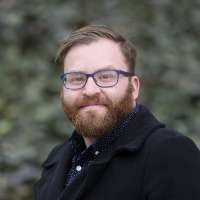
To start the project, Grayson shared a photo of himself and a story from his youth growing up in Louisiana.
“When I first got my license and started driving back in Louisiana,” Grayson wrote on Instagram. “(My parents) had to have a conversation about how I should act if I were ever to get pulled over or approached by the police. At the time I didn’t really think twice about it. But over the years that conversation has always been tucked away in the back of my mind. And to this day I tense up whenever I see the police. It’s mind-boggling that I get nervous at the sight of the people that are sworn to protect and uphold the law.”
Grayson isn’t sure when the project will be done, but he thinks it will be important for all of Utah to see.
“I can’t wait to share this with anyone,” he said. “I can’t wait for these experiences to be shared. I think it’ll give an insight on what it feels like to be black.”