'%3e%3cpath%20d='M34.1406%205.85938C30.3906%202.10547%2025.3047%200%2020%200C14.6953%200%209.60938%202.10547%205.85938%205.85938C2.10938%209.61328%200%2014.6953%200%2020C0%2025.3047%202.10547%2030.3906%205.85938%2034.1406C9.61328%2037.8906%2014.6953%2040%2020%2040C25.3047%2040%2030.3906%2037.8945%2034.1406%2034.1406C37.8906%2030.3906%2040%2025.3047%2040%2020C40%2014.6953%2037.8945%209.60938%2034.1406%205.85938ZM37.0117%2023.543H31.1602V13.5391H27.6328V19.9414C28.1211%2020.6914%2028.3711%2021.582%2028.3711%2022.5625V22.625C28.3711%2023.668%2028.1172%2024.6055%2027.6328%2025.4297V26.6094H36.082C33.4883%2032.9375%2027.2891%2037.3789%2020.0039%2037.3789C10.3711%2037.3789%202.62109%2029.6289%202.62109%2020C2.62109%2010.3711%2010.3711%202.62109%2020%202.62109C29.6289%202.62109%2037.3789%2010.3711%2037.3789%2020C37.3789%2021.1484%2037.2617%2022.2656%2037.0508%2023.3477C37.0391%2023.4141%2037.0234%2023.4766%2037.0117%2023.543Z'%20fill='white'/%3e%3cpath%20d='M22.3086%2018.5352C20.4336%2018.125%2019.9531%2017.8398%2019.9766%2017.1836V17.1406C19.9766%2016.6992%2020.3477%2016.2148%2021.4023%2016.2148C22.582%2016.2148%2023.8867%2016.6797%2025.0781%2017.4766L26.8516%2015.0195C25.4453%2013.8906%2023.707%2013.3398%2021.5547%2013.3398C18.5195%2013.3398%2016.4375%2015%2016.4063%2017.4766V17.5352C16.3633%2020.2617%2018.5859%2020.9805%2021.293%2021.6016C23.0391%2021.9766%2023.5703%2022.3164%2023.5703%2022.9609L23.5469%2022.9766C23.5469%2023.3906%2023.2578%2023.7031%2022.7852%2023.8359C22.5742%2023.9062%2022.1289%2023.9727%2021.5156%2023.9727C20.7617%2023.9727%2019.7539%2023.8633%2018.6328%2023.4844C18.0898%2023.2891%2017.4727%2023.0039%2016.8047%2022.6133L20.1406%2026.625C20.2813%2026.6602%2021.0977%2026.8516%2021.7734%2026.8516C25.0039%2026.8516%2027.0859%2025.2461%2027.1094%2022.6328V22.5703C27.1602%2020.1133%2025.2148%2019.1719%2022.3086%2018.5352Z'%20fill='white'/%3e%3cpath%20d='M5.24219%2013.5664V26.6133H8.75391V23.7578L10.2969%2021.9531L14.2031%2026.6133H18.3867L12.3555%2019.5195L17.4023%2013.5664H13.4531L8.75391%2019.0586V13.5664H5.24219Z'%20fill='white'/%3e%3c/g%3e%3cdefs%3e%3cclipPath%20id='clip0_97_2430'%3e%3crect%20width='40'%20height='40'%20fill='white'/%3e%3c/clipPath%3e%3c/defs%3e%3c/svg%3e)


Estimated read time: 4-5 minutes
This archived news story is available only for your personal, non-commercial use. Information in the story may be outdated or superseded by additional information. Reading or replaying the story in its archived form does not constitute a republication of the story.
SALT LAKE CITY — There was one last controversy at the final meeting of the current Utah Transit Authority trustees Thursday, over how much money to pay the three full-time appointees replacing the board.
Before voting 7-2 to advance a $454 million budget for 2019 that would pay the maximum $150,000 salary allowed under the law, trustee Toby Mileski said that gave him "a lot of heartburn."
Another trustee, Bret Millburn, also questioned whether the outgoing board should be involved with the salaries, since the overhaul of the transit agency approved by the 2018 Legislature also created a new advisory board with that responsibility.
"I'm not sure why we need to go ahead and set it at the maximum now whereas we could have that advisory board meet, make the recommendation and make adjustments to the budget," Millburn said before leaving for another meeting.
But Steve Meyer, UTA's interim executive director, said he felt the amount was "appropriate at this time," until job descriptions and a compensation study are completed by the advisory board, expected to meet for the first time Nov. 14.
Other questions were raised about the cost of the new oversight structure. This year's budget for the 14-member board eliminated under the new law is nearly $488,000, but nearly $1.4 million is proposed for the full-time board, a 175 percent increase.
Meyer said the bigger budget reflects trustee benefits as well as boosting the board staff from two to eight people, including an aide for each new trustee. He said employees were being moved to the new jobs from other areas of UTA.
Trustee Babs De Lay said she expects to hear questions about the increased budget from the public. She and Mileski voted against adopting the tentative budget. Millburn, who was also opposed, left before the vote was taken.
It will be up to the new trustees, nominated by local governments and appointed by Gov. Gary Herbert, to give final approval to the budget. A public hearing is planned for Nov. 14.
Two trustees are ready to start work next week — Carlton Christensen and Beth Holbrook. The governor has rejected nominations for the third trustee, who will represent Utah and Tooele counties.
Christensen, a former Salt Lake City councilman, will fill the Salt Lake County seat. Holbrook resigned from the Bountiful City Council to take the seat representing Davis, Weber and Box Elder counties.
Related story:

UTA approves $600K contract for required federal monitoring
Utah Transit Authority trustees quickly approved a $600,000 contract Wednesday with a San Francisco law firm to provide three years of federal monitoring required under a nonprosecution agreement.The new governance structure is the result of sweeping legislation to address concerns with UTA, including critical legislative audits and an ongoing federal investigation into transit development deals.
The transit agency has a nonprosecution agreement with the U.S. Attorney's Office in exchange for cooperating with the investigation and agreeing to three years of federal monitoring.
Before adjourning for the last time, the board also approved other spending, including to begin drawing up plans for a new bus rapid transit project that will connect south Davis County with downtown Salt Lake City.
The project, anticipated to cost as much as $85 million, will take five to eight years to complete. About half of the nearly 12-mile route will be along dedicated bus lanes and an extension to the University of Utah is possible.
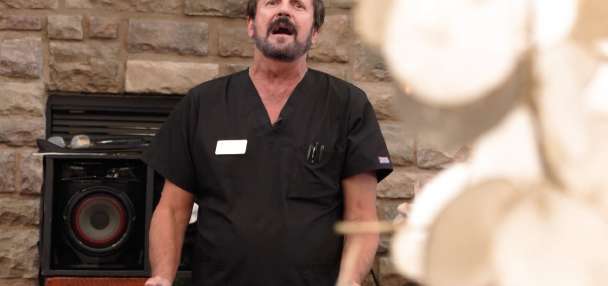
One of the exiting trustees, Necia Christensen, became emotional at the end of the meeting while talking about her 19 years on the board. She revealed what she called a secret, a massive TRAX power failure at the close of the 2002 Winter Games.
The outage occurred during the closing ceremonies at the University of Utah's Rice-Eccles Stadium, Christensen said, and it took all hands on deck, making repairs and "whatever they had to do, in order to make the trains run that night."
She said that was an example of the "love and passion" within the transit agency.
"UTA has been in excellent hands. The board has done its best," Christensen said, but has been maligned in the media. She spoke of the pride felt seeing a bus or a train and concluded, "I am so proud that we are UTA strong."
Greg Bell, chairman of the outgoing board, said while "it's regretful we've had crises and some media flare-ups about this and that. … I think at the end of the day we're still strong and very functional."
Bell thanked UTA employees "who have put their heads down in uncertainty and many disheartening moments. I know many felt criticized and wrongly blamed, but we pulled together. There's a bright future. We have able people coming in."