'%3e%3cpath%20d='M34.1406%205.85938C30.3906%202.10547%2025.3047%200%2020%200C14.6953%200%209.60938%202.10547%205.85938%205.85938C2.10938%209.61328%200%2014.6953%200%2020C0%2025.3047%202.10547%2030.3906%205.85938%2034.1406C9.61328%2037.8906%2014.6953%2040%2020%2040C25.3047%2040%2030.3906%2037.8945%2034.1406%2034.1406C37.8906%2030.3906%2040%2025.3047%2040%2020C40%2014.6953%2037.8945%209.60938%2034.1406%205.85938ZM37.0117%2023.543H31.1602V13.5391H27.6328V19.9414C28.1211%2020.6914%2028.3711%2021.582%2028.3711%2022.5625V22.625C28.3711%2023.668%2028.1172%2024.6055%2027.6328%2025.4297V26.6094H36.082C33.4883%2032.9375%2027.2891%2037.3789%2020.0039%2037.3789C10.3711%2037.3789%202.62109%2029.6289%202.62109%2020C2.62109%2010.3711%2010.3711%202.62109%2020%202.62109C29.6289%202.62109%2037.3789%2010.3711%2037.3789%2020C37.3789%2021.1484%2037.2617%2022.2656%2037.0508%2023.3477C37.0391%2023.4141%2037.0234%2023.4766%2037.0117%2023.543Z'%20fill='white'/%3e%3cpath%20d='M22.3086%2018.5352C20.4336%2018.125%2019.9531%2017.8398%2019.9766%2017.1836V17.1406C19.9766%2016.6992%2020.3477%2016.2148%2021.4023%2016.2148C22.582%2016.2148%2023.8867%2016.6797%2025.0781%2017.4766L26.8516%2015.0195C25.4453%2013.8906%2023.707%2013.3398%2021.5547%2013.3398C18.5195%2013.3398%2016.4375%2015%2016.4063%2017.4766V17.5352C16.3633%2020.2617%2018.5859%2020.9805%2021.293%2021.6016C23.0391%2021.9766%2023.5703%2022.3164%2023.5703%2022.9609L23.5469%2022.9766C23.5469%2023.3906%2023.2578%2023.7031%2022.7852%2023.8359C22.5742%2023.9062%2022.1289%2023.9727%2021.5156%2023.9727C20.7617%2023.9727%2019.7539%2023.8633%2018.6328%2023.4844C18.0898%2023.2891%2017.4727%2023.0039%2016.8047%2022.6133L20.1406%2026.625C20.2813%2026.6602%2021.0977%2026.8516%2021.7734%2026.8516C25.0039%2026.8516%2027.0859%2025.2461%2027.1094%2022.6328V22.5703C27.1602%2020.1133%2025.2148%2019.1719%2022.3086%2018.5352Z'%20fill='white'/%3e%3cpath%20d='M5.24219%2013.5664V26.6133H8.75391V23.7578L10.2969%2021.9531L14.2031%2026.6133H18.3867L12.3555%2019.5195L17.4023%2013.5664H13.4531L8.75391%2019.0586V13.5664H5.24219Z'%20fill='white'/%3e%3c/g%3e%3cdefs%3e%3cclipPath%20id='clip0_97_2430'%3e%3crect%20width='40'%20height='40'%20fill='white'/%3e%3c/clipPath%3e%3c/defs%3e%3c/svg%3e)



Estimated read time: 6-7 minutes
This archived news story is available only for your personal, non-commercial use. Information in the story may be outdated or superseded by additional information. Reading or replaying the story in its archived form does not constitute a republication of the story.
Editor's note: This article is a part of a series reviewing Utah history for KSL.com's Historic section.WEST VALLEY CITY — It’s the end of a long day of racing and Toby Gold is standing on Rocky Mountain Raceways’ drag strip. He’s chatting with friends while others mingle on the long asphalt runway blackened by burnt rubber.
At some point, he points out a boy who joyously wades through the surface — sticky from layers of spray meant to keep the cars on the track. He said he’s seen plenty of kids like that grow up and learn to race on the very track they’re standing on.
The mood is difficult to describe. It feels like a family outing and a funeral at the same time. While many are happy after another thrilling night of racing, they know this track and 50 years of history to its name is coming to an end.
The drag strip, a small oval course, and a motocross course will be shuttered after one last event Saturday. The tracks and the grandstands will all be torn down as the property will become an industrial park.
For people like Gold, who has worked at the track for the past 22 years and spent about another decade here as a fan and racer, it’s hard to put together what the final weeks have been like.
“It’s almost like having a relative or a grandparent or somebody on hospice getting ready to pass on and going to the afterlife,” he said, stroking his face. “It’s pretty sad and fulfilling for everybody.”
Utah’s unique racing history
Automobile racing became a fixture in Utah decades before Rocky Mountain Raceways opened. Utah State History archives show it could date back as early as 1908. However, it didn’t really take off until 1925 on the Bonneville Salt Flats — a place that’s become one of America’s fastest raceway for more than a century.
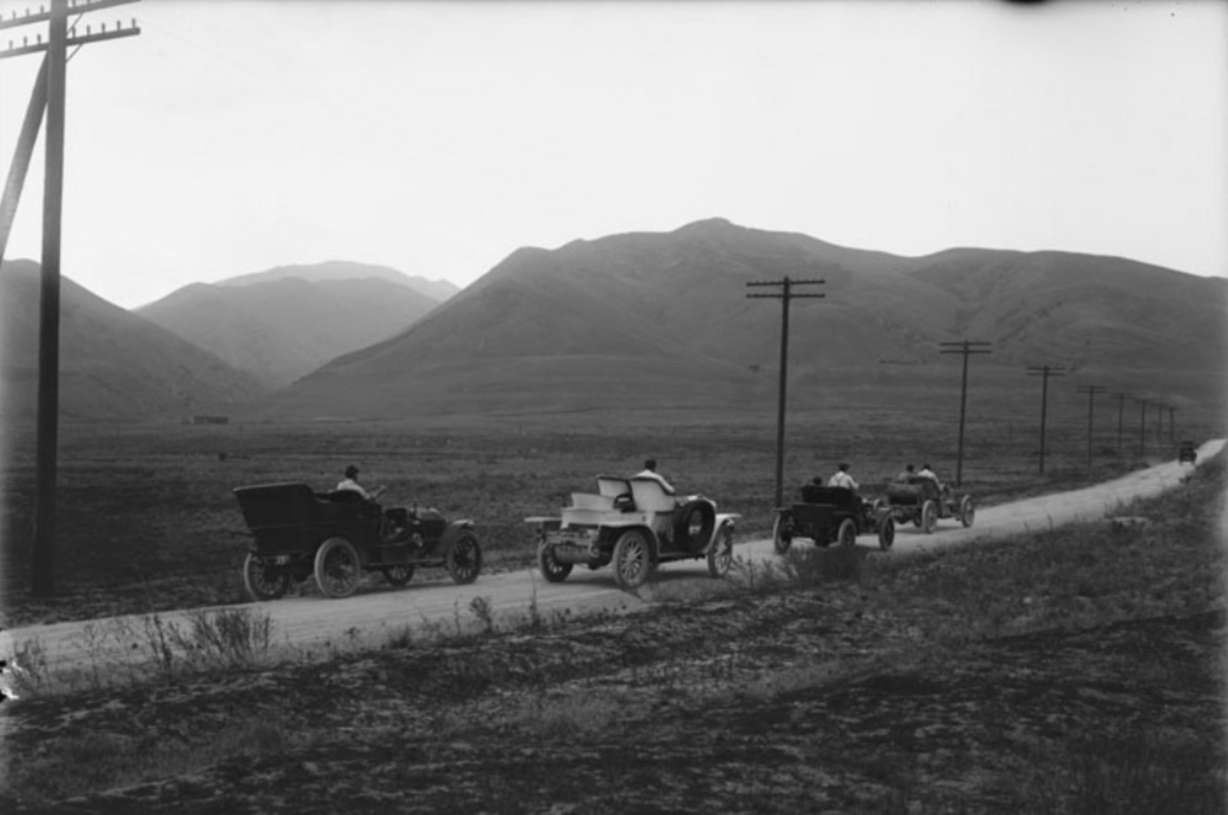
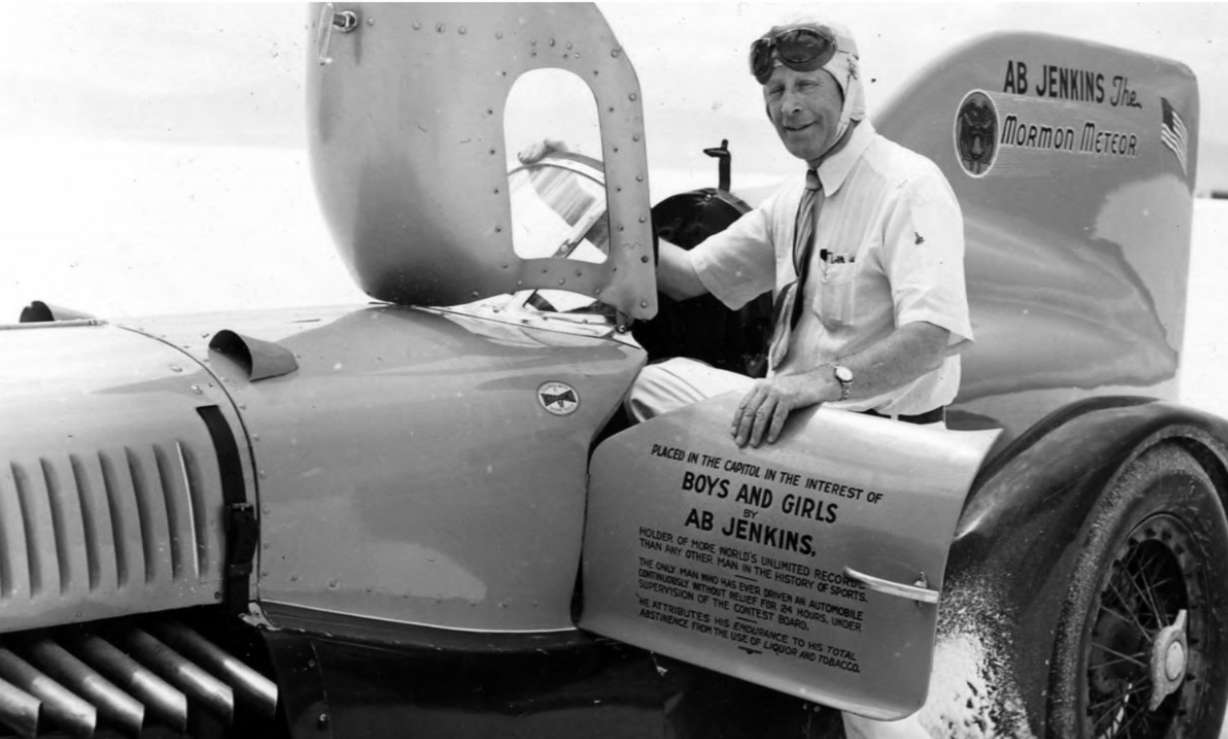
In 1925, Spanish Fork native Ab Jenkins defeated a train by 10 minutes in a race across from the salt flats, as noted by Utah History Encyclopedia. That opened the door for racers across the world to come to Utah to fulfill their need for speed.
Jenkins became a racing legend in the following years after that and he was elected to the Utah Sports Hall of Fame in its inaugural 1970 class. His “Mormon Meteor” speedster broke several world speed records and he even served a term as Salt Lake City’s mayor in the 1940s.
In addition to the salt flats, more than a half-dozen venues popped up through the years starting in Salt Lake City during the 1950s, according to Drag Strip List. The drag strip in West Valley City didn’t open until July 23, 1968, as Bonneville Raceway.
A July 24, 1968, edition of the Deseret News describes that first night, a Tuesday before Pioneer Day. Reporter Brent Checketts wrote that heavy winds didn’t stop more than 3,000 people from enjoying a night of racing. A car owned by Roger Guzman and John Ward, out of Colorado, won on opening night.
Ron Craft, the track’s drag strip manager, started working the following year and hasn’t missed a season since. He’s seen jubilation and heartbreak over that time, and many changes to the sport.
“Back then, the racing was fun. It wasn’t as technical as it is now,” he recalled. “It was fun to be involved and the tickets were, I think they were $3 to watch and $5 to get into the pits.”
It was renamed Rocky Mountain Raceways after the Young Automotive Group purchased the track and began remodeling it in 1995. However, they announced in December 2017 that the track would close after the 2018 season.
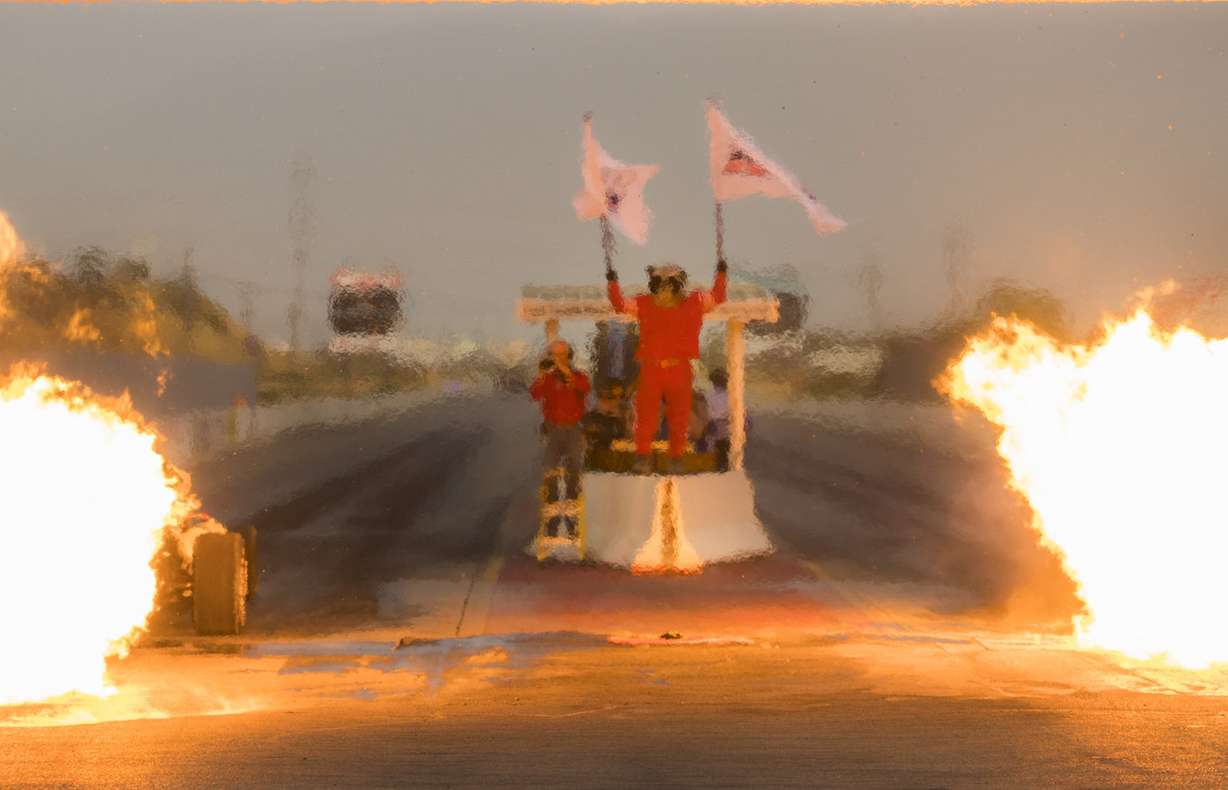
The tracks brought all sorts of drivers from across the U.S. and other countries in its 50 years. Drivers from Dale Earnhardt, Jr. and NASCAR’s Busch brothers to some of NHRA’s Hall of Fame racers all raced here.
Utah's racing community
Racing has always been a part of Mike Eames’ life. His mom and dad both worked at Bonneville Raceway when it opened back in 1968. His older brother and sister followed in their footsteps as did Eames, who eventually became the general manager for Rocky Mountain Raceways in the same location.
His ninth and final racing season at the helm of the West Valley track will come to an end Saturday once the facility’s closing event concludes. For Eames, this place is more than a racetrack — it’s where he made lifelong friends and even met his wife.
“There is no way in the world I ever would have met any of these people if it wasn’t for racing,” he said. “Not only people here but people across the country that have come here to race, we’ve become friends, people who you associate with because you have this common bond and internal combustion engine in all forms.”
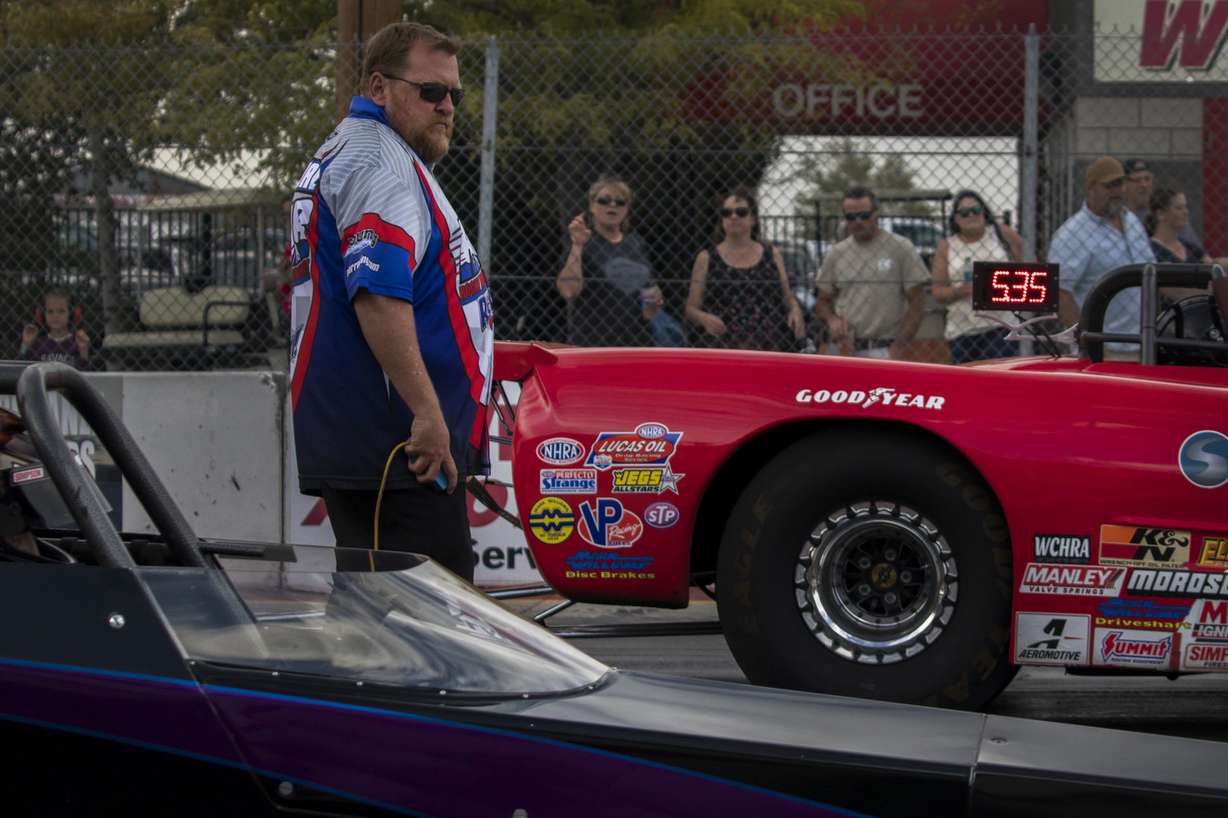
Eames, Craft and Gold all used the same word to describe the racing community: family.
All it takes is a stroll around the pits behind the drag strip to see it. After a day of racing Sept. 15, several dozen people, like Gold and Craft, stuck around the track and shared laughs and memories with friends.
"Racing is — it's family," Gold said.
The support from the racing family has made this 50th and final season a memorable one.
“The support from this community in our little, humble 84 acres that we have here has just been tremendous,” Eames said. “The era is coming to an end, but the friendships and the memories that have been created here will go on forever.”
#Vid
One last day of racing
Craft said as many as 700 drivers have been invited for the final day of racing Saturday. They plan to have a giant barbecue for them and their families. Races will be held on all three tracks at the venue before it closes for good.
It'll likely be a bittersweet day for Utah's racing enthusiasts.
“It’s going to really be hard, that event," Craft said.
To be clear, racing isn't dead in Utah. The Bonneville Salt Flats is still a key destination for some of the world's fastest cars. There's also Utah Motorsports Campus, formerly Miller Motorsports Park, which operates a race track for automobiles, motorcycles, bicycles and karts in Erda.
It doesn’t have a drag strip, though, and the future of drag racing in Utah is uncertain. Eames hopes another facility will open up in the state. He knows the community will support it.
The closest places for Utah drag racers and fans will be at tracks in Idaho and at Las Vegas Motor Speedway. Mike English, a National Hot Rod Association announcer, believes racers are resilient and will get through this loss.
The era is coming to an end, but the friendships and the memories that have been created here will go on forever.
–Mike Eames, RMR general manager
“If you want to race, you’ll find a way to do it,” English said. “You’ll absolutely find a way to do it.”
English, who lives in California but has traveled to the track at least once a year for a while, said this is the seventh drag strip he’s seen close in the western U.S. Each time has been difficult because of the hit it takes on the entire racing community.
“It just breaks my heart to have another one go,” he said. “To see this happen is just — it’s heartbreaking.”