'%3e%3cpath%20d='M34.1406%205.85938C30.3906%202.10547%2025.3047%200%2020%200C14.6953%200%209.60938%202.10547%205.85938%205.85938C2.10938%209.61328%200%2014.6953%200%2020C0%2025.3047%202.10547%2030.3906%205.85938%2034.1406C9.61328%2037.8906%2014.6953%2040%2020%2040C25.3047%2040%2030.3906%2037.8945%2034.1406%2034.1406C37.8906%2030.3906%2040%2025.3047%2040%2020C40%2014.6953%2037.8945%209.60938%2034.1406%205.85938ZM37.0117%2023.543H31.1602V13.5391H27.6328V19.9414C28.1211%2020.6914%2028.3711%2021.582%2028.3711%2022.5625V22.625C28.3711%2023.668%2028.1172%2024.6055%2027.6328%2025.4297V26.6094H36.082C33.4883%2032.9375%2027.2891%2037.3789%2020.0039%2037.3789C10.3711%2037.3789%202.62109%2029.6289%202.62109%2020C2.62109%2010.3711%2010.3711%202.62109%2020%202.62109C29.6289%202.62109%2037.3789%2010.3711%2037.3789%2020C37.3789%2021.1484%2037.2617%2022.2656%2037.0508%2023.3477C37.0391%2023.4141%2037.0234%2023.4766%2037.0117%2023.543Z'%20fill='white'/%3e%3cpath%20d='M22.3086%2018.5352C20.4336%2018.125%2019.9531%2017.8398%2019.9766%2017.1836V17.1406C19.9766%2016.6992%2020.3477%2016.2148%2021.4023%2016.2148C22.582%2016.2148%2023.8867%2016.6797%2025.0781%2017.4766L26.8516%2015.0195C25.4453%2013.8906%2023.707%2013.3398%2021.5547%2013.3398C18.5195%2013.3398%2016.4375%2015%2016.4063%2017.4766V17.5352C16.3633%2020.2617%2018.5859%2020.9805%2021.293%2021.6016C23.0391%2021.9766%2023.5703%2022.3164%2023.5703%2022.9609L23.5469%2022.9766C23.5469%2023.3906%2023.2578%2023.7031%2022.7852%2023.8359C22.5742%2023.9062%2022.1289%2023.9727%2021.5156%2023.9727C20.7617%2023.9727%2019.7539%2023.8633%2018.6328%2023.4844C18.0898%2023.2891%2017.4727%2023.0039%2016.8047%2022.6133L20.1406%2026.625C20.2813%2026.6602%2021.0977%2026.8516%2021.7734%2026.8516C25.0039%2026.8516%2027.0859%2025.2461%2027.1094%2022.6328V22.5703C27.1602%2020.1133%2025.2148%2019.1719%2022.3086%2018.5352Z'%20fill='white'/%3e%3cpath%20d='M5.24219%2013.5664V26.6133H8.75391V23.7578L10.2969%2021.9531L14.2031%2026.6133H18.3867L12.3555%2019.5195L17.4023%2013.5664H13.4531L8.75391%2019.0586V13.5664H5.24219Z'%20fill='white'/%3e%3c/g%3e%3cdefs%3e%3cclipPath%20id='clip0_97_2430'%3e%3crect%20width='40'%20height='40'%20fill='white'/%3e%3c/clipPath%3e%3c/defs%3e%3c/svg%3e)


Estimated read time: 6-7 minutes
This archived news story is available only for your personal, non-commercial use. Information in the story may be outdated or superseded by additional information. Reading or replaying the story in its archived form does not constitute a republication of the story.
SALT LAKE CITY — Following deeply personal testimony, a bill mandating that all rape kits be tested passed unanimously out of committee Friday to emotional applause.
Among the crowd was Alyson Ainscough, a woman who after 10 years is still waiting to see the rape kit she had collected in 2007 finally be processed.
Ainscough was drugged before she was raped, leaving gaps in her memory and preventing her from identifying her attacker, she told the House Law Enforcement and Criminal Justice Standing Committee. The experience of undergoing a rape kit examination, however, has remained vivid in her mind for the past decade.
"While it was conducted with utmost professionalism and sensitivity … I can tell you it is incredibly invasive and additionally traumatizing," Ainscough said, overcome with emotion. "It is a disservice to survivors and those who undergo this procedure to delay the processing of evidence that could provide them answers and lead to holding those responsible to account for what they've done."
Ainscough, of Salt Lake City, urged legislators to support HB200, which would not only require that rape kits like hers be processed in a timely manner, but comes with a $2.4 million fiscal note each year for costs like personnel and supplies to help expedite testing for new kits.
"While I know that immediately processing that kit would not have provided me sudden relief from this distress, I can tell you that it would have gone a long way to helping me recover from the agony it is not knowing," Ainscough said.
The bill now proceeds to the floor of Utah's House of Representatives.
Describing five years working on sexual violence legislation, the bill's sponsor, Rep. Angela Romero, D-Salt Lake City, became emotional recalling frequent messages she received from men and women whose rape kits had gone untested.
While many perpetrators will never be caught, Romero said mandating that kits be tested sends a message to victims.
"We know that they went through that whole process, and we listened," she said.
In addition to mandating testing on all but restricted rape kits — kits for victims who choose not to provide a personal statement to law enforcement — the bill would require law enforcement to submit kits within 30 days of receiving them, while a timeline for testing the kits will be put in place later. It also moves to establish guidelines for storing and preserving rape kits and for training to be developed for law enforcement.
The bill allows for victims to be notified of their rights when the examination is conducted and for eventual development of a tracking system to keep victims apprised of their kit's status.
Romero said the working group behind the bill spent three years gathering input on multiple fronts — law enforcement, the Utah State Crime Lab, the Utah Commission on Criminal and Juvenile Justice, and academics.
"I wanted to ensure that we were capturing everything we needed to address this particular issue, because at the end of the day, this is justice," Romero said.
Utah State Crime Lab Director Jay Henry said that as of Friday, half of the 2,760 estimated unsubmitted rape kits in the state have now been processed, with the rest expected to be completed in about a year and a half.
So far, the kits have led to 131 matches in the Combined DNA Index System, or CODIS, a database of offenders convicted of certain types of crimes. An additional 41 matches were made in an FBI database, Henry said.
Agencies across the state are busy following up on those database matches, Henry said, and the lab is already seeing an increase in the number of cases it receives as law enforcement is becoming more proactive about submitting kits for testing even without the legal mandate.
Henry estimated that HB200 would lead to about 1,200 kits being tested each year, bringing the lab's case load up by about 900 kits, and bringing a potential for an additional 144 DNA submissions to CODIS.
Without funding from the bill, he warned, they won't have the resources to keep up.
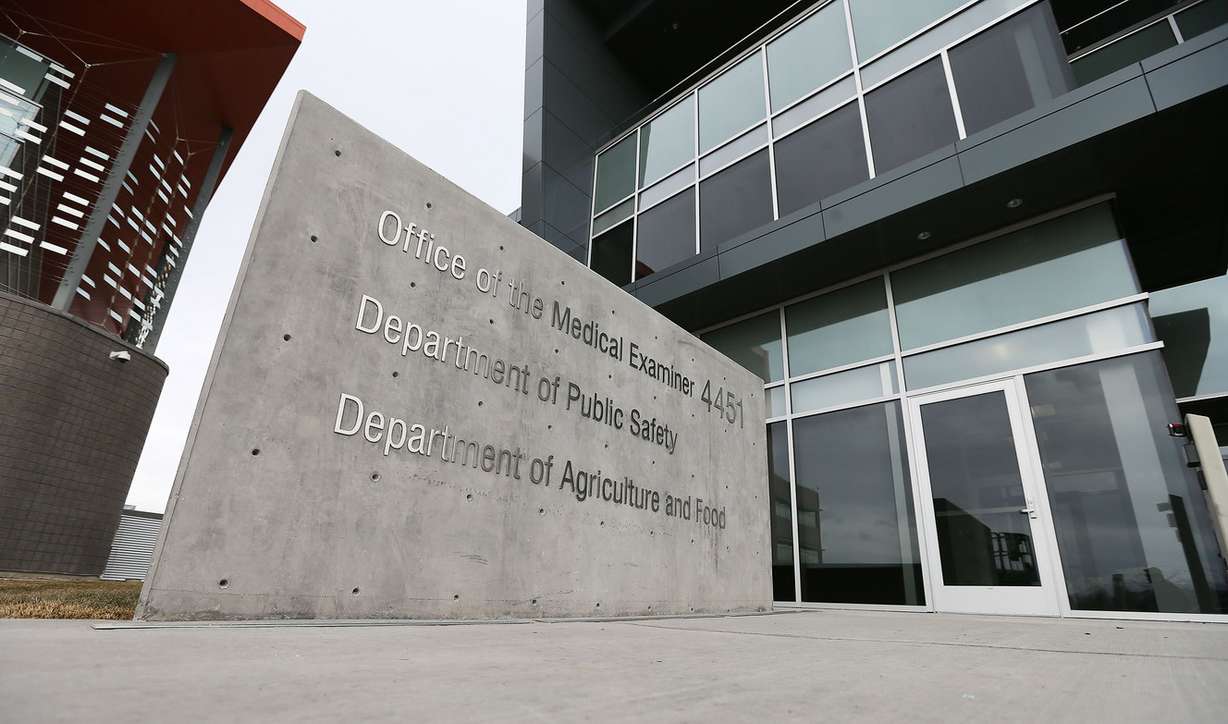
The state's new crime lab facility, which is currently being set up, will also allow for more rape kit testing, Henry said, inviting legislators to come take a tour.
Speaking on behalf of the bill, BYU nursing professor Julie Valentine recounted her findings released in a study last April, reviewing rape kit collection and submission in seven Utah counties — Salt Lake, Washington, Iron, Weber, Morgan, Davis and Box Elder.
Valentine found that only 22.8 percent of rape kits collected between 2010 and 2013 in those counties were submitted for testing within a year of being completed. Overall, 38 percent were submitted.
"These were all rape kits that were collected from rape victims who said, 'I want to prosecute, I want to talk to law enforcement,' and went through a very invasive four- to six-hour examination and evidence collection," Valentine said Friday.
But especially surprising, Valentine said, the study revealed that victims might be more or less likely to have their kits tested not based on the merits of their cases, but depending on which jurisdiction they were raped in.
In two counties in southern Utah, only 4 percent of rape kits were submitted within a year of collection, Valentine said. In a neighboring county, 39 percent were sent in.
"This bill would eliminate that fluctuation, that variability, that subjectivity, and mandate the submission and testing of all kits," Valentine said.
She also noted that in other states where similar rape kit backlogs have been identified and are being addressed, investigators are beginning to identify serial rapists.
"That is a key component of having a safe state and decreasing our rates of rape," Valentine said.
The choice to fund the bill and its high price tag is also a fiscal one, Valentine said. In Ohio, researchers found that testing one kit could save the state $8,800 by identifying an attacker and preventing future assaults, she explained.
With Utah's high rate of rape, the Utah Department of Health found that sexual violence costs the state $1,700 per person per year, Valentine noted.
Still emotional from her testimony but with a sense of relief, Ainscough said following the vote that she hadn't planned to speak to the committee. She has followed Romero's efforts with the bill for the past three years, she said, and came to the hearing prepared in case sharing her experience would help.
"I felt that I had an obligation, if I felt like I could, to tell my story and put a face and a name to people who go through this," she said.
The experience, she added, was validating.
"This is the first time I have talked about the assault that took place in 2007," Ainscough said. "It was nice to be reminded that I was in a room full of people who are in support and sensitive to this very difficult topic."