Estimated read time: 2-3 minutes
This archived news story is available only for your personal, non-commercial use. Information in the story may be outdated or superseded by additional information. Reading or replaying the story in its archived form does not constitute a republication of the story.
HEBER — Railroads played a vital role in the growth in the West, and Utah was a key part of it.
The obvious example of this is Promontory Summit. However, rail lines helped shape towns across Utah as they grew in the 19th and 20th centuries.
While railroads have died off considerably over the past few decades, there is a place where you can still experience the old days of the railway’s golden years.
What is now the Heber Valley Railroad has been in existence for more than a century, when the Rio Grande Western Railway began building a track in the spring of 1899 and was completed in September that year, with a last spike ceremony held at the Heber depot.
“There was a large crowd at the scene of operations, watching the railroad hands laying the switches and getting everything in shape,” according to a report from the Sept. 22, 1899 edition of the Deseret News.
The line, which opened Oct. 1, 1899, was popular for shipping freight.
Another edition of the Deseret News covered the Rio Grande Western’s announcement of freight costs. For example, it cost 55 cents to ship goods from Ogden to Heber. That rate varied to as low as 20 cents on stops before those destinations. From Heber to Salt Lake cost anywhere from 15 to 40 cents. It also cost $22 to ship cattle between Heber and Salt Lake.
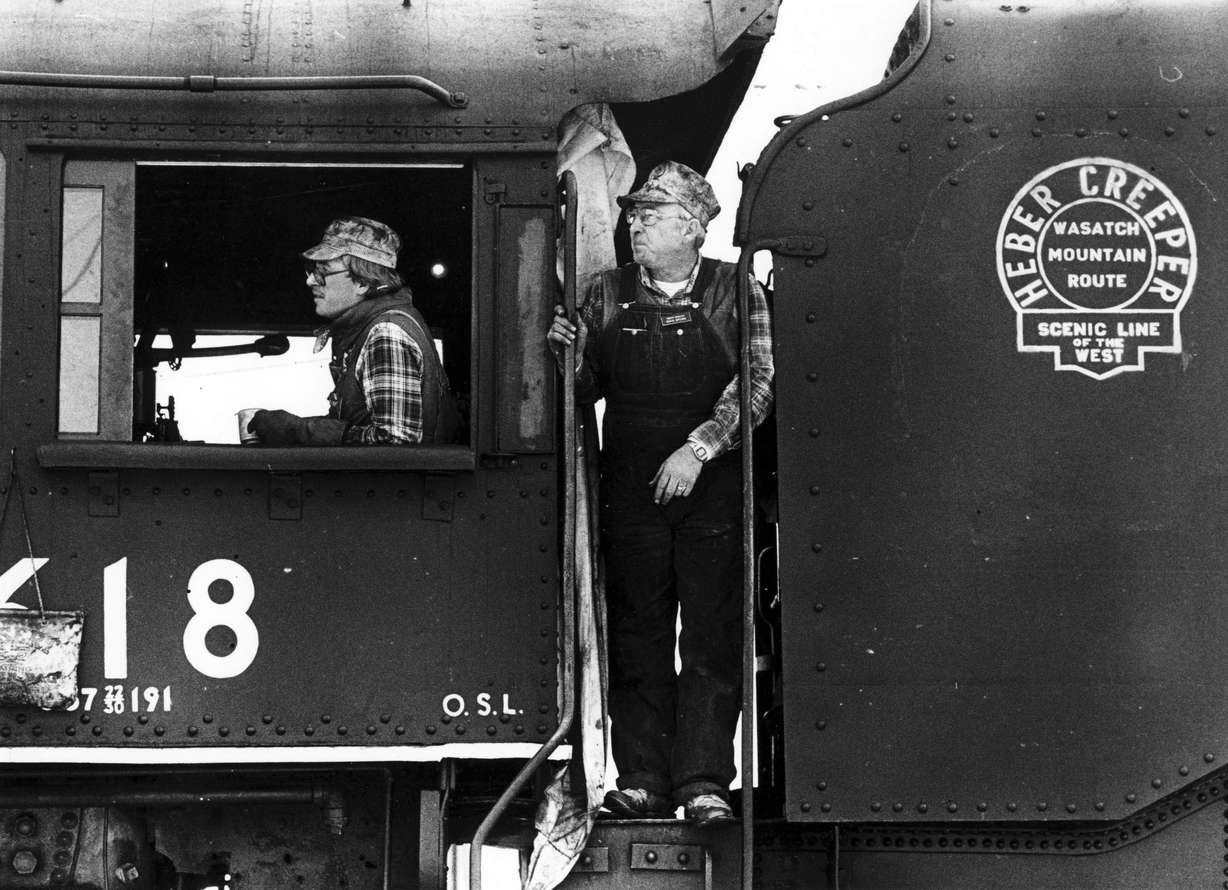
For passengers, it quickly got the nickname “Heber Creeper” because it crept by the canyon, according to the Heber Valley Railroad.
Eventually, in the 1920s and 30s, as cars became more popular, fewer trips were needed each day. Roads were built to connect towns that were previously reached through rail. The line was adjusted in the 1930s to bypass the Deer Creek Dam as it was being built.
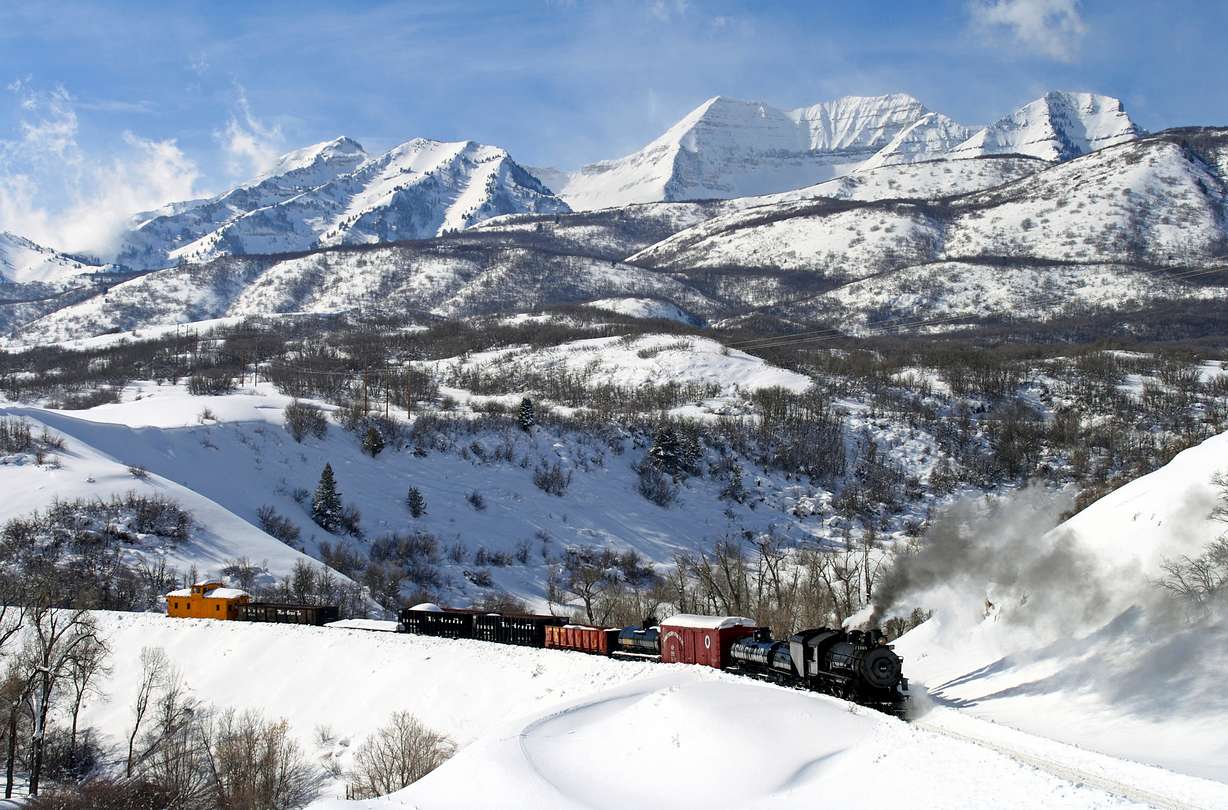
Use of the train post-World War II became almost non-existent at points and trains went from multiple daily from its origin to once a week in 1966 to a couple of times a month in 1967 to gone in 1968.
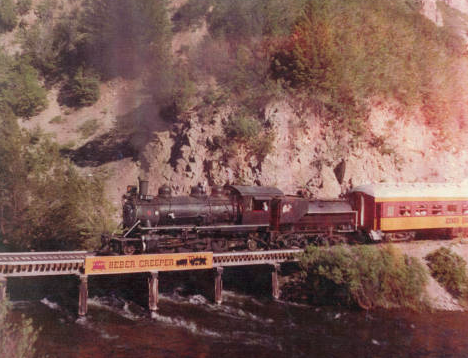
After a few years of uncertainty, a group of citizens purchased the lines in 1970 and it remained open until 1990. In the 1990s, the tracks were rebuilt again from Heber to Vivian Park in the mid-1990s after the Heber Valley Historic Railroad Authority was created by the Utah State legislature in 1992.The state had previously purchased the railway for $1.6 million to keep in afloat.
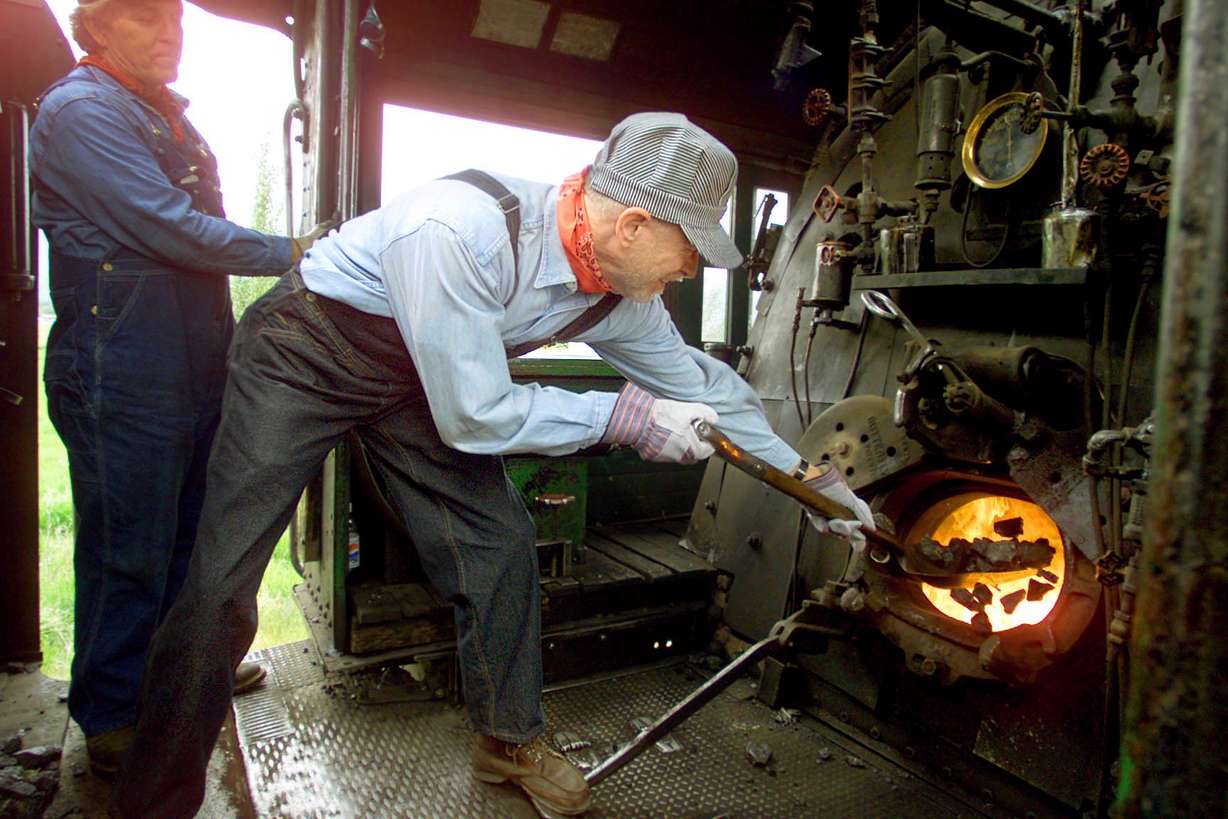
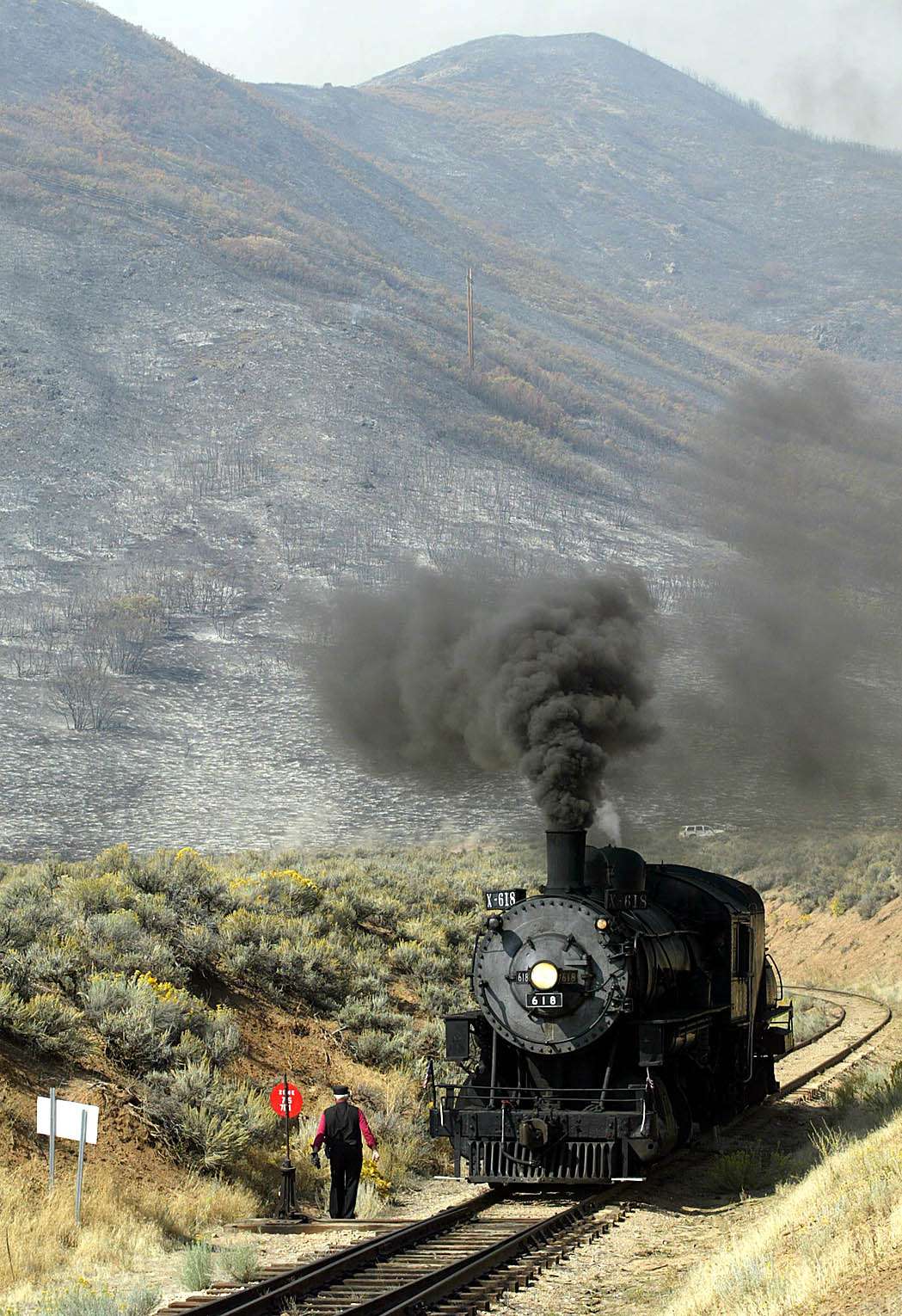
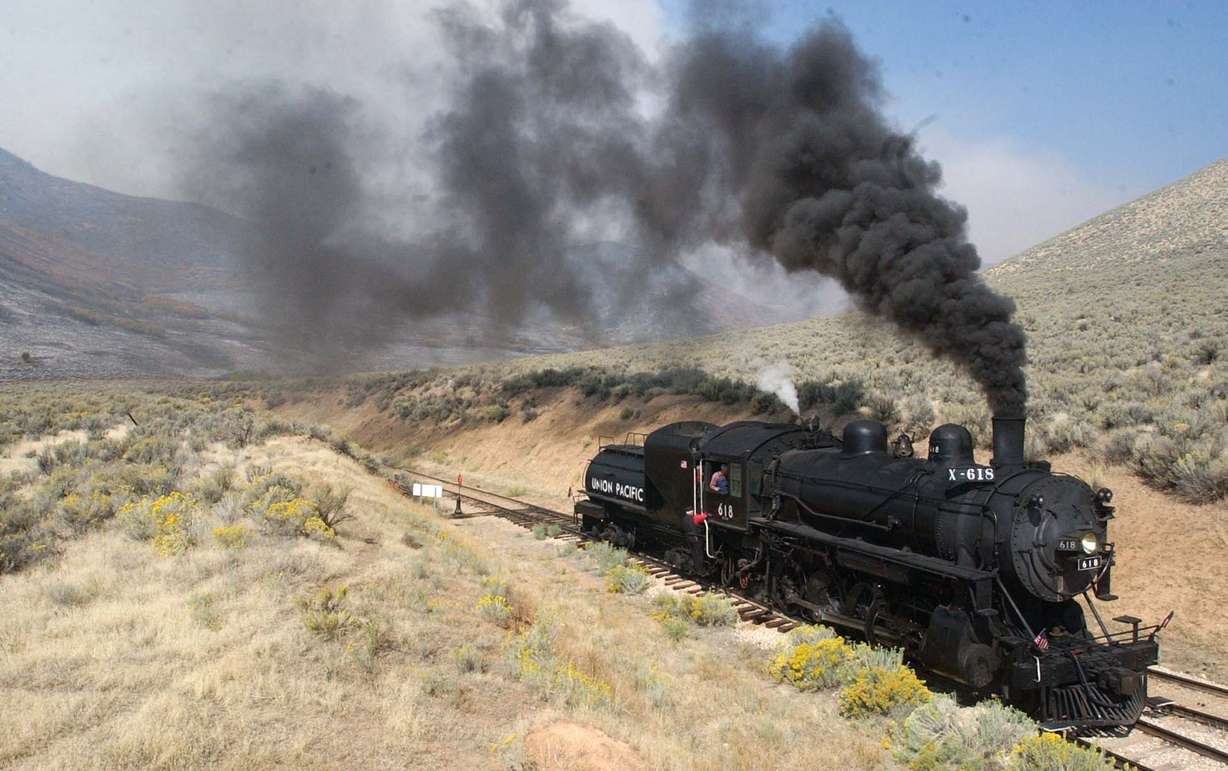
It still runs to this day with popular attractions throughout the year — from everything like Valentine's Special in February to the Polar Express in December — to give visitors a little slice of Utah railroad history.