Estimated read time: 3-4 minutes
This archived news story is available only for your personal, non-commercial use. Information in the story may be outdated or superseded by additional information. Reading or replaying the story in its archived form does not constitute a republication of the story.
In spite of higher prices, flat growth in jobs and continued questions over the financial market, some analysts say there's room for optimism about Utah's economy.
Utah's Consumer Price Index for August is out, and the numbers show you're still spending more at the grocery store, a lot more. Economists say the reason is familiar: gas prices, even though gas prices have dropped.
Grocery prices rose almost 5 percent along the Wasatch Front in August, a more than 10 percent increase since March. Wells Fargo Bank Executive Vice President and Economist Dr. Kelly Matthews, said, "This 4.9 percent in local grocery store prices is mostly explained by the gasoline prices in local delivery of those commodities."
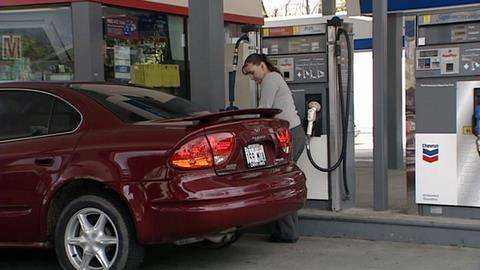
Utah gas prices were the third highest in the nation in mid-August, but came down. Matthews says that's because consumption is down. "Our gasoline price locally is now below the national average, which maybe will change when we see the September data," he said.
Transportation costs were actually down last month, but not nearly at the national rate. Transportation costs along the Wasatch Front dropped a mere 0.6 percent last month. Nationally they dropped nearly 3 percent. Matthews says that's largely due to a much-talked-about lag in fuel price changes. Right now, he says, gas prices are actually below the national average. Overall, Matthews believes inflation is showing signs of stabilizing, a good sign for the national and local economy.
Housing costs went up, driven primarily by decreases in hotel and motel rates and household furnishing prices. Utilities have gone up too.
The local Consumer Price Index rose only a tenth of one percent from July to August, significantly less than the 1.1 percent increase from June to July.
Matthews, and Wells Capital Management Managing Director Sterling K. Jenson, say there's no immediate sign of the stock market stabilizing. Jenson says concerns over financial giant AIG are keeping investors skittish. He says there's talk of the federal government stepping in and purchasing those assets, in hopes of eventually turning a profit for taxpayers when the market recovers. That's what the government did in 1991, forming a trust that eventually paid off.
But Jenson says without some kind of clear leadership, the market will remain volatile. The bank, in fact, says the market could face up to a 10 percent down phase before it bottoms out. But it's also predicting a 30 percent increase within the next year.
Both Matthews and Jenson say what's happened over the last six months is unprecedented, but they say there have been market corrections in the past, and there will be in the future. They say in the long term, investors who can stomach the recent market volatility will have their efforts pay off over the next couple of years.
Matthew says despite a tough market, there might be a silver lining, "At the moment, of course, one of the great benefits of helping us get through the situation is the crude oil prices have gone from the 145 towards 90 and might be breaking 90."
Matthews predicts crude oil prices could drop to as low as $80 a barrel.
As for Utah's economy, Matthews says a big question remains over job growth, which was relatively flat last month. Matthews says most layoffs have happened in the residential construction industry and that's a bad sign. Still, he believes if jobless numbers can remain relatively steady over the coming months, Utah has a good chance of continuing to outshine the national economy.
E-mail: mgiauque@ksl.com
E-mail: corton@ksl.com